Reboot Hub 支援簡介
DJI Flip 無人機維修指南
Reboot Hub 維修價格矩陣
目前 DJI Flip 維修成本矩陣
這些計畫範圍來自Reboot Hub's 2026年維修定價矩陣。模型級修復跨距為$30-$180.使用下表瞭解常用電纜、雲臺、ESC、臂、板、IMU 和電源管理路徑,然後在選擇零件或服務之前確認確切的故障。
| 修復路徑 | 矩陣範圍 | 何時使用該範圍 |
|---|---|---|
| 帶狀/柔性電纜 | $30-$48 | 相機訊號、雲臺傾斜、影像遺失或電纜路徑受到撞擊損壞。 |
| 完整的雲臺模組 | $120-$168 | 相機、鏡頭、馬達或穩定組件嚴重損壞。 |
| 電調模組更換 | $42-$54 | 推進器警告、馬達控制故障、進水或電調損壞。 |
| 更換馬達臂 | $36-$48 | 臂、鉸鏈、平臺、外殼或馬達碰撞修復。 |
| 主機板(晶片級) | $90-$108 | 更換全板前方的元件級板診斷。 |
| 全板更換 | $180 | 當晶片級修復不可行時的完整電路板路徑。 |
| IMU 感測器 | $30 | 標定、漂移、感測器錯誤或不穩定姿態診斷。 |
| 電池管理板 | $36-$48 | BMS、充電、平衡或電源路徑故障診斷。 |
在購買、運輸或繼續飛行設備之前,請使用本指南將正常磨損與維修風險症狀區分開。
先檢查一下
碰撞痕跡、萬向節行為、電池健康狀況、錯誤代碼和控制器/應用程式警告。
買方風險
如果相機、ESC、主機板或電池的歷史記錄不清楚,那麼便宜的設備可能會變得昂貴。
下一步
用照片/影片記錄症狀,然後將維修成本與經過驗證的更換價值進行比較。
DJI Flip's 架構在修復上有何獨特之處?

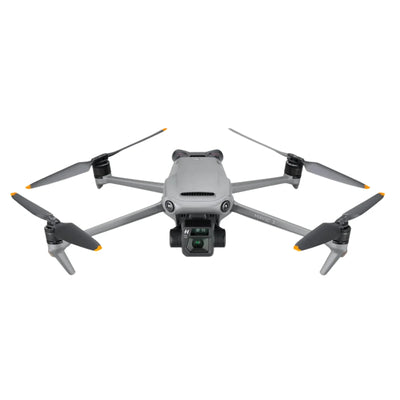
DJI Flip 代表了一種獨特的可折疊無人機設計,在不犧牲成像能力的情況下優先考慮便攜性。在進行任何診斷或維修工作之前,對其核心架構的徹底瞭解至關重要,本 DJI Flip 維修指南利用第一手晶片級經驗來引導您完成每個主要子系統。 Reboot Hub技術人員已診斷並修復超過800DJI Flip單位自2022年起,持有中國人力資源及社會保障部認可的MOHRSS Level 3高級技師認證。該無人機的主要結構將前視系統、萬向節組件、中央處理單元和配電整合到單一多層剛柔結合 PCB 堆疊上。主要模組包括飛行控制器(FC)、四個無刷馬達的電子速度控制器(ESC)、專用雲臺和相機處理器、慣性測量單元(IMU)集群、GPS/GLONASS接收器以及帶有板載電池管理系統(BMS)的智慧飛行電池。可折疊臂引入了額外的機械應力點;穿過鉸鏈接頭的同軸訊號電纜在反覆折疊循環後容易疲勞斷裂。從晶片級角度來看,主 FC 採用 STM32H7 系列微控制器處理感測器融合,而 ESC 閘極驅動器則以分離式 MOSFET 陣列的形式佈置在單獨的子板上,從而使獨立返工成為可能。萬向節的影像穩定依賴由 Ambarella 或同等 SoC 控制的三軸霍爾效應感測器回饋迴路,該 SoC 也可以處理電子影像穩定。
關鍵子系統漏洞已透過Reboot Hub's故障分析資料庫確定。萬向節帶狀電纜撕裂和霍爾感測器錯位約佔我們執行的所有 DJI Flip 維修的 30%。 ESC 故障通常由單一 MOSFET 短路或閘極驅動器效能下降引起,約佔 20% 的案例。 IMU 漂移和通訊錯誤佔另外 15%,通常由陶瓷振盪器中的微裂紋或硬著陸後 BGA 焊點斷裂引發。電池 BMS 容易受到韌體鎖定和電池不平衡的影響,在 18% 的電池相關罰單中觀察到這種情況,而其餘的則由可折疊框架的結構性損壞構成。由於封裝緊湊,許多看似災難性的板級故障可以透過精確的晶片級返工來解決,保留原始工廠校準的組件並避免整個模組更換的費用。對於那些剛接觸無人機硬體的人來說,我們的無人機維修基礎知識文章對這些核心子系統做了精彩的介紹。 Reboot Hub's MOHRSS Level 3 獲得中國人力資源和社會保障部認可的高級技師認證,確保我們深圳服務中心的每一次晶片級幹預均按照先進的專業標準進行。
相關:DJI Mini 4 Pro 維修指引:綜合診斷、維修
如何診斷與修復DJI Flip雲臺故障?
DJI Flip 萬向節問題通常表現為振動引起的圖像果凍、水平傾斜或完全萬向節鎖定,並伴有 DJI Fly 應用程式中的錯誤代碼。典型錯誤訊息包括“Gimbal Motor Overload”和“Gimbal IMU Error”,並帶有診斷代碼30017經常在內部記錄。物理檢查首先評估連接萬向頭與主機板的柔性印刷電路(FPC)帶的狀況;即使是細小的裂縫也會擾亂霍爾感測器的回饋並導致無法控制的漂移。在 Reboot Hub,我們使用四線毫歐錶和顯微鏡來驗證萬向帶上所有 24 根導體的連續性。使用參考無人機機身座標系的雷射對準夾具來校正振動引起的俯仰軸、滾動軸或偏航軸的未對準。校準序列包括透過 DJI Assistant 2(進階雲臺校準)進行手動零點重置,然後進行 6 點桌面穩定性測試。如果雲臺無法完成自動校準程序並出現錯誤代碼30017,霍爾效應位置感測器或磁化轉子環可能發生超出軟體校準校正範圍的機械位移。
晶片級維修與模組更換是一個關鍵的決定。透過美國或授權服務中心進行完整的萬向節和相機組裝通常費用為$380–520,而 Reboot Hub's 晶片級方法——更換損壞的霍爾感測器(通常是 4 引腳 CSP 中的 A1395 或類似線性感測器)並迴流帶狀連接器——範圍從$120–168.在許多情況下,僅更換帶狀電纜($30–48)恢復全部功能,而不會幹擾工廠校準的光學模組。所有萬向節維修都包括使用六自由度振動臺進行修復後動態校準,以驗證無人機最大飛行包線的影像穩定性能。我們的技術人員接受過培訓,能夠識別進入深圳市場的常見假霍爾感測器,並獨家採購 OEM 級組件,這是 MOHRSS Level 3 高級技術員認證標準所要求的紀律。
DJI Flip 電調故障的原因是什麼 - 維修費用是多少?
DJI Flip 中的 ESC 退化透過一系列獨特的症狀表現出來:啟動期間一個或多個電機卡頓、負載下轉速不均勻、電池電壓正常時過早發出“低電池力著陸”警告,或電機完全拒絕並伴有特徵性的兩聲 ESC 錯誤序列。 DJI Fly 應用程式可能會顯示“ESC錯誤(代碼30015)”或《代碼30016》,表示缺相或閘極驅動器欠壓鎖定。當無人機開機(無道具)時,在每個 MOSFET 相上放置一個聽診器式探頭,可以透過聲音發現缺少的高側或低側驅動訊號。進階診斷技術(包括使用示波器捕捉門波形)在我們的文章中有詳細介紹。先進的診斷技術資源。
ESC 維修成本分為兩個不同的類別。板級更換透過美國或授權服務中心購買的整個 ESC 電源模組(DJI 零件號碼通常標記為 ESC-03/FLIP-4IN1)的價格通常介於$200–320,反映了密封的、序號相符的電路板的費用。然而,我們收到的 ESC 故障中 80% 以上是由單一 N 通道 MOSFET 短路或閘極驅動器 IC 退化引起的,這兩者都可以在晶片級進行更換$42–54.該過程包括在受控熱板上將整個電路板預熱至 150°C,然後使用帶有定製噴嘴的熱風返修站來抬起故障的 MOSFET,而不會幹擾相鄰組件。使用 SAC305 無鉛焊料對新的、規格相同的英飛凌 BSC009NE2LS5 或同等部件進行迴流焊,然後進行自動光學檢查 (AOI) 以驗證對準和焊角完整性。晶片級 ESC 維修的成本效益通常比全板更換節省 40-50%,並且維修後的板保留其原始序號,避免了飛行應用程式註冊衝突。我們中國深圳實驗室的 MOHRSS Level 3 高級技術員認證技術人員在嚴格的 ESD 控制下執行迴流焊接工作,並透過 X 射線驗證 BGA 導熱墊完整性來記錄每次修復。
如何診斷和修復 DJI Flip IMU 感測器漂移?

DJI Flip 上的 IMU 故障可能很微妙,從偶爾的「IMU 錯誤」開始,代碼30010無人機重啟後可能會清除的提示。持續的感測器漂移是指飛機在沒有控制輸入的情況下穩定懸停漂移,或者儘管視覺感測器鏡頭乾淨但高度保持波動。在晶片級別,IMU 通常是安裝在飛行控制器子板上的 6 軸 MEMS 組合設備(通常是 ICM-20689 或同等設備)。電子故障模式包括陶瓷振盪器電路微裂紋、BGA 球與電路板柔性分離(硬著陸後常見)以及超過 2000 g 的衝擊引起的內部 MEMS 黏滯。診斷從透過 DJI's 工程韌體(可供認證服務合作夥伴提供)進行原始感測器資料流分析開始,在 30 分鐘熱窗口內觀察陀螺儀偏壓穩定性和加速度計零重力輸出。
當使用 DJI Assistant 2 的高級 IMU 校準(將無人機放置在六個精確方向)進行重新校準時,無法將偏差值帶入可接受的範圍(陀螺儀通常低於 0.05 rad/s,加速度計通常低於 0.02 g),則需要進行晶片級更換。透過美國或授權服務中心進行完整的 IMU 感測器更換可能需要花費$160–220. Reboot Hub's 晶片級 IMU 返工,僅更換使用 BGA 植球製程的 MEMS 感測器,價格為$30.這種方法不僅節省資金,而且還保留了存儲在相鄰 EEPROM 中的原始飛行控制器的加密密鑰和設備特定的校準數據。安裝新的IMU後,在環境室中進行嚴格的溫度補償校準,使無人機在-10°C至55°C之間循環,確保在所有飛行條件下的偏移穩定性。作為 MOHRSS Level 3 高級技術人員設施,我們遵守中國無人機維修標準,確保此校準符合工廠規格。
DJI Flip 電池修復費用是多少?
DJI Flip 智慧飛行電池(機型可能BWX300-1480-15.2)是一個 2S LiPo 電池組,具有整合的 BMS,可向飛行控制器報告充電狀態、電池電壓和循環計數。典型的電池故障包括負載下電壓突然下降、「電池通訊錯誤」或拒絕充電且 LED 以特定故障模式閃爍。 Reboot Hub 的電池健康評估首先使用專用電池分析儀對每個電池進行 1 kHz 內阻 (IR) 測量;電池之間的 IR 差異超過 30% 或單個電池 IR 超過 35 mΩ 表明發生不可逆的化學降解。 BMS 本身也可能受到韌體損壞或充電/放電 MOSFET 卡住的影響。我們經常從電池中檢索飛行日誌數據,以驗證設備是否經歷了超過額定 30C 放電突發的過流事件,這可能會永久熔斷保護 FET。
對於具有健康電池但 BMS 故障的電池,晶片級修復— 重新編程 BMS 控制器(通常是德州儀器 (TI) BQ40Z50 系列)或更換充電/放電 MOSFET — 成本介於$36–48.另一方面,透過標準服務管道進行全面電池更換的範圍包括$100–160.雖然價格差異看似不大,但晶片級修復可以節省一批存在常見 BMS 韌體錯誤的電池,避免不必要的電子浪費。然而,當電池性能下降超過原容量的 70% 或出現膨脹時,為了飛行安全,必須更換電池。所有電池維修均在專用防火工作站中進行,嚴格遵守中國深圳工廠鋰電池處理的 MOHRSS Level 3 高級技術人員安全協議。
如何將 DJI Flip 碰撞損壞分類?
DJI Flip 的碰撞損壞需要採用結構化分類方法,從結構完整性評估到多組件功能驗證。可折疊臂機構通常是第一個受害者:鉸鏈外殼破裂、馬達軸彎曲和同軸電纜受壓。我們將傷害分為三級:未成年人(外觀磨損和單臂錯位,典型修復$90–180),中等(兩個或多個臂受到影響,萬向架安裝板變形,有 ESC 錯誤,典型$250–480),以及嚴重(主機機殼破損,多塊PCB破裂,相機鏡頭破碎,典型$500–960)。框架重新對準是使用數位千分錶和專用夾具在花崗巖表面板上進行的,該夾具將馬達安裝座固定在相對於 IMU 參考平面恰好 90° 的位置。對於彎曲的馬達軸,我們僅更換 3 毫米淬硬鋼軸和 EZO 軸承,而不是整個馬達組件,從而將成本降至最低。
Reboot Hub 的每一條修復路徑都是透過晶片級可行性的角度進行評估的。對於影響電調和萬向節的中度碰撞損壞,透過美國或授權服務管道更換兩個模組的傳統途徑將花費大量成本$580–840.相反,我們可以僅更換短路的 ESC MOSFET 陣列($42–54)和萬向節帶狀電纜加霍爾感測器($120–168),總共$162–222— 節省 70% 以上。您可以在我們的網站中比較所有主要子系統的定價Reboot Hub DJI 維修成本資料庫 2026.下表根據我們中國深圳服務中心 2024 年至 2025 年的實際維修量,提供了 DJI Flip's 主要子系統的晶片級維修成本與美國/西方市場維修成本的快速參考。這些數字符合中國無人機維修標準預期的定價透明度,並由 MOHRSS Level 3 高級技師認證技術人員提供。
| 維修類型 | 晶片級維修費用(Reboot Hub) | 美國/西方市場利率 | 儲蓄 |
|---|---|---|---|
| 萬向節(碳帶、霍爾感測器、馬達驅動器) | $120–168 | $380–520 | 高達 75% |
| ESC(MOSFET、閘極驅動器) | $42–54 | $200–320 | 高達 85% |
| IMU(MEMS 感測器重焊/更換) | $30 | $160–220 | 高達 85% |
| 電池BMS修復(MOSFET、韌體) | $36–48 | $100–160 | 僅 BMS 節省電池 |
| 碰撞損壞(多部件) | 典型價格 162–380 美元 | 典型價格 580–1,400 美元 | 50–70% |
在Reboot Hub,我們的晶片級專業知識可實現比標準組件更換更精確、經濟高效的維修.透過利用對 DJI Flip's 電路設計的深入瞭解並維護 OEM 級半導體的完整庫存,我們通常可以恢復其他中心可能註銷的無人機。每次維修都會透過示波器擷取、熱成像和校準前/後報告進行記錄,提供符合嚴格的 MOHRSS Level 3 高級技術人員基準的可追溯品質記錄。有關管理我們工作的認證框架的完整概述,請訪問中國無人機維修標準.如果您的 DJI Flip 出現上述任何症狀,或者您想要對其健康狀況和碰撞恢復能力進行全面的診斷評估,我們邀請您探索Reboot Hub's專業DJI維修服務.我們位於中國深圳的團隊隨時準備以無與倫比的技術精度將您的無人機恢復到出廠性能。
常見問題

在Reboot Hub修理DJI Flip要多少錢?
DJI Flip 晶片級維修範圍為$30用於 IMU 感測器更換$168用於完整的萬向節晶片級修復。電調維修費用$42–54、電池BMS工作運作時$36–48.多零件碰撞維修費用通常在 162 美元到 380 美元之間,仍然遠低於$580–1,400您將在美國/西方授權服務中心付款。透過以下方式索取詳細報價Reboot Hub's專業DJI維修服務根據您的無人機狀況取得準確數字。
DJI Flip Reboot Hub 維修需要多久時間?
大多數單組件晶片級維修(包括帶狀電纜、ESC MOSFET 或 IMU 更換)均在2–4 個工作天.需要結構重新調整和多個子系統返工的多部件碰撞修復可能需要 5-7 個工作天。國際運輸單程會增加 3-5 天,具體取決於您所在的位置。我們在整個過程中透過電子郵件提供即時維修狀態更新。
DJI Flip 掉進水裡後我該立即做什麼?

立即關閉無人機電源,取出電池,並用超細纖維布擦乾所有外表面。將無人機放入帶有硅膠包的密封容器中至少 48 小時,然後再嘗試開機 - 切勿使用大米,因為灰塵會損壞內部組件。乾燥後,帶到經過認證的晶片級維修中心進行腐蝕處理; Reboot Hub 的水損壞修復從$30用於輕微接觸清潔,通常需要 2-4 個工作天。
為什麼我的DJI Flip在輕微碰撞後會顯示「雲臺過載」錯誤?
萬向節帶狀電纜可能已部分斷開,或者滾動臂可能因撞擊而輕微彎曲。仔細檢查萬向節阻尼器是否有撕裂,如果您對精確維修感到滿意,請重新安裝帶狀電纜連接器,否則,Reboot Hub 可以處理帶狀電纜更換$30–48以及全雲臺晶片級修復$120–168,在 2-4 個工作天內完成。
我可以自己重新校準DJI Flip's避障感測器嗎?
是的,您可以在桌上型電腦上使用 DJI Assistant 2 軟體重新校準前視和下視視覺感測器。如果校準反覆失敗,請檢查傳感器透鏡上是否有微裂紋,因為即使是碎片撞擊造成的極細損壞,也需要通過 Reboot Hub's 零件目錄更換完整的傳感器模塊,大多數與傳感器相關的維修會在 2-4 個工作日內完成。
如何修復 DJI Flip 上不一致的電池通訊錯誤?
使用 90% 異丙醇和無絨棉籤清潔無人機和電池上的電池接點,因為氧化堆積是最常見的原因。如果多個電池都存在問題,無人機的電源管理板可能需要晶片級 BMS 修復,這需要花費一定的費用$36–48Reboot Hub,通常在 2-4 個工作天內完成。我們建議先使用已知良好的電池進行測試,以隔離故障。
DJI Flip 飛行途中突然馬達故障是什麼原因造成的,可以修復嗎?
馬達突然故障通常是由於過熱、沙子進入損壞軸承或上次碰撞後馬達繞組短路而導致 ESC 燒毀。 Flip 上的單一馬達臂是模組化且可更換的-馬達臂維修費用為 Reboot Hub$36–48而ESC晶片級修復是$42–54,均在 2-4 個工作天內完成。您應該在下次飛行之前測試 DJI Fly 馬達測試選單中的所有四個馬達以確認修復。
Reboot Hub·專家修復
準備好接受專業診斷了嗎?
Reboot Hub是位於中國深圳的MOHRSS Level 3高級技師認證晶片級維修中心。我們維修其他商店所更換的產品,而成本只是其一小部分。
Keep exploring
Further reading
From Reboot Hub 編年史


From 無人機指南