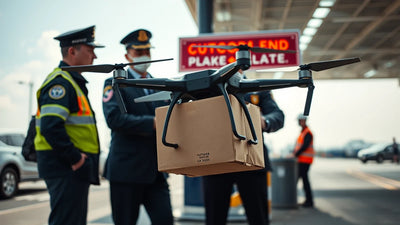
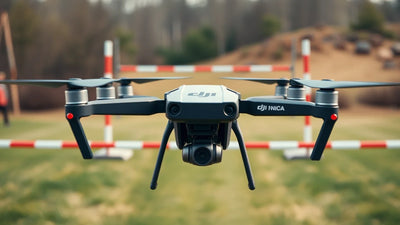
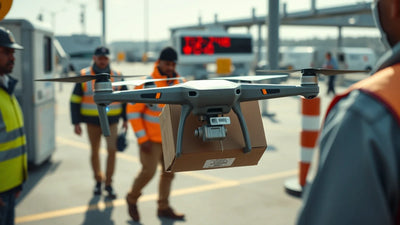
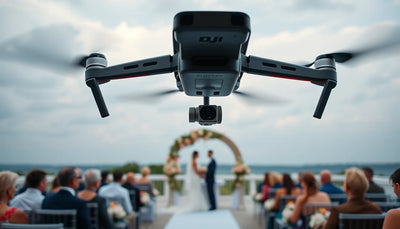
לוח זמנים של סט סרטים, שם Inspire 3 והפקה בתשלום אינם קובעים תוצאה תפעולית עדכנית. רשום את דרישות הסצנה, המערכת המדויקת, ההקשר של הצוות והאנשים, יצירת קשר עם האתר והחזרת הייצור. השתמש במידע עדכני עבור ההצעה בפועל לפני הקצאת אלמנט אווירי; לשמור על תוכנית מצלמה מקורקעת לאותה סצנה.
מה צריכה להגדיר הצעה לסט סרטים מפולין Inspire 3 לפני תכנון הלכידה?
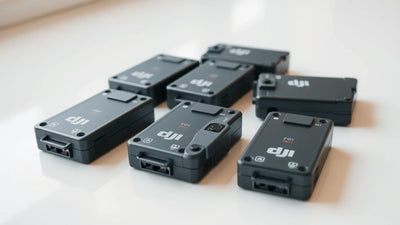
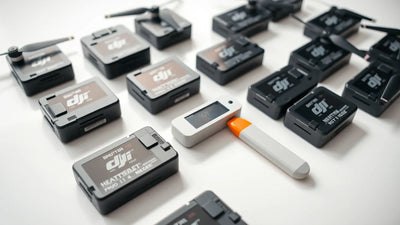
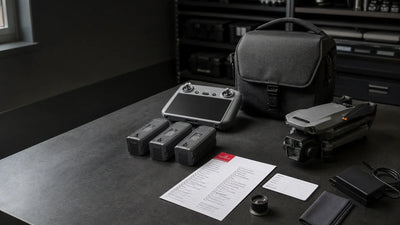
כלי טיס, בקר, סוללות, מצלמה, עדשות, אביזרים, סדרתי ומצב
איזה ציוד מוצע
שכל התצורות חולקות תוצאה אחת
ההקשר של הגדר והצוות
שם מפיק או איש קשר לאתר, קבע גבולות, הקשר של אנשים ותגובה כתובה עדכנית
אילו שאלות צדדיות צריכות סקירה
שגיליון שיחות מחליף מידע על הפרויקט הנוכחי
מסלול הפרויקט הנוכחי
מיקום בפועל, פעילות, מערכת, מפעיל ומידע כתוב עדכני
אילו שאלות דורשות אישור עדכני
תוצאת קטגוריה, אישור, הכשרה, עמלה, ביטוח או קנס שהועתקו
כיסוי קרקע
תוכנית מצלמה, רשימת צילומים, עריכת רצף ולוח זמנים מותאם
כיצד עדיין ניתן להעביר את הסצנה
שנדרשת ירי אוויר לצורך ההפקה
מדוע אין להתייחס לתקציר הפקת סרטים כהחלטה תפעולית?
בריף הפקה מגדיר תוצאה יצירתית. סט, הקשר של אנשים, מערכת מדויקת ופעילות מוצעת יוצרים שאלות נוכחיות משלהם. ההפרדה ביניהם מונעת מדף ישן להפוך לטענה לגבי הרשאה נוכחית, עלות, הכשרה, כיסוי או תוצאה ספציפית של סט סרטים.
כיצד על צוות להפוך את הסקירה לתוכנית פעולה?
פעולה
מה לשמור
1. הגדר את הסצנה
הקלט את הצילומים הנדרשים, הגדר פריסה, הקשר של אנשים, תאריכים וכיסוי מקורקע.