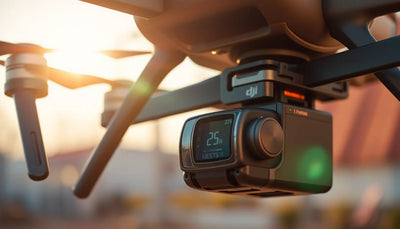
תקציר פרויקט אזור מוגן של פולין
לפרויקט מוגן יש שאלות סביבתיות, אתר ותעופה שיש להפריד ביניהם. דף זה עוזר לצוות לשמר את הראיות הנכונות מבלי להפוך אישור ישן, תזמון, ציוד או תביעת קנס למסקנה עדכנית.
מה צריך להקים פרויקט מל"ט בשטח מוגן של פולין לפני שנשקלת מל"ט?

מדוע ניהול שטח ואישור תעופה צריכים להיות תיעוד נפרד?
מנהל אזור מוגן או איש קשר אחראי יכולים להתייחס לאתר הנוכחי ולהקשר השימור. לפעילות התעופה המוצעת יש מסלול נוכחי מובהק. שמירה על שתי התגובות עם הציוד המדויק ומטרת הפרויקט מאפשרת לצוות לקבל החלטה הניתנת להגנה מבלי להתייחס למדריך היסטורי כהרשאה נוכחית.
כיצד על צוות להפוך את הסקירה לתוכנית פעולה?
נתיבי Reboot Hub קשורים
שאלות נפוצות
האם מדריך אזור מוגן יכול להבטיח תוצאה עדכנית של ULC?
מס' אשר את המסלול הנוכחי עבור השטח המדויק, הפרויקט והציוד.
האם איש קשר במרחב מוגן פותר שאלות תעופה?
לא. שאלות ניהול באתר ותעופה זקוקות לאישור נוכחי נפרד.
מדוע לשמור על חלופה מקורקעת?
הוא שומר על מטרת הפרויקט כאשר אלמנט אווירי אינו מתאים לראיות הזמינות.
מה צריך להישאר ברשומת הפרויקט?
שמור את המטרה, הערכה המדויקת, אנשי הקשר הנוכחיים, התגובות והתוכנית החלופית ביחד.
מתי יש לעיין בתיק הראיות?
סקור אותו כאשר האזור, מטרת הפרויקט, הערכה, התאריך או התנאים הנוכחיים משתנים.
Keep exploring
Further reading
From ה-Reboot Hub Chronicle
















From מדריכי מזל"ט