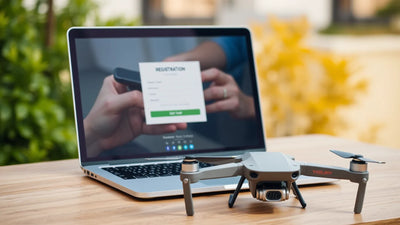
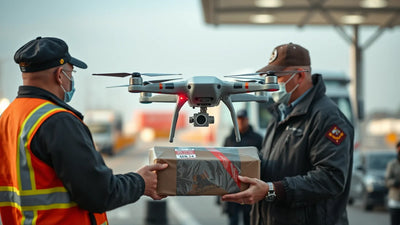
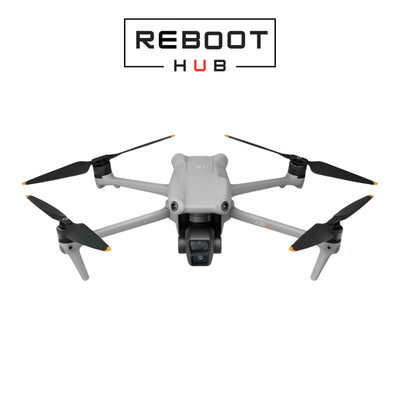
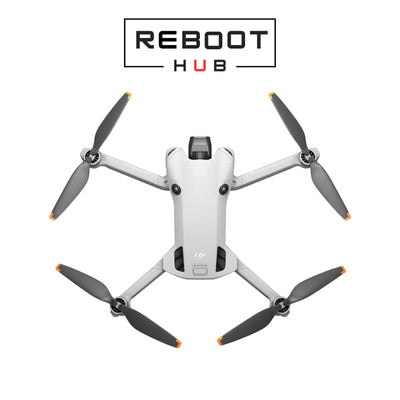
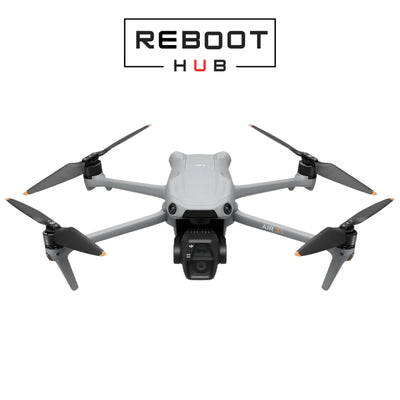
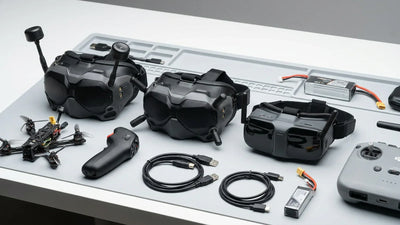
סיכום פטור היסטורי, תווית ציוד או דוגמה ישנה של מכס אינם קובעים את הטיפול בערכת צילום מסויימת הכרוכה בגרמניה. שמור את הציוד המדויק, הבעלים או הנוסע, הפרויקט המיועד, המסלול, תוכנית ההחזרה, המזהים, המצב והתשובות בכתב ביחד. תנועה, עדות לפריט ותפעול מאוחר יותר הם ביקורות נוכחיות נפרדות.
מה צריך לצלם לקבוע לפני העברת ערכת מזל"ט לגרמניה?
שכבת החלטה
ראיות לשמירה
מה זה יכול לקבוע
מה היא לא יכולה לקבוע
ערכה ומטרה מדויקת
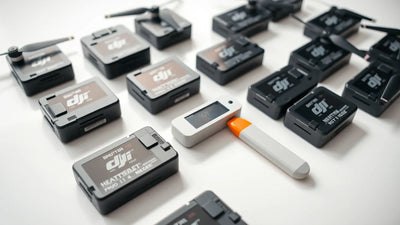
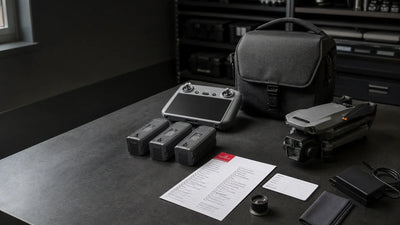
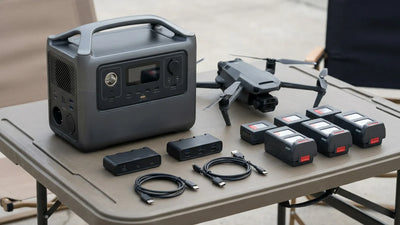
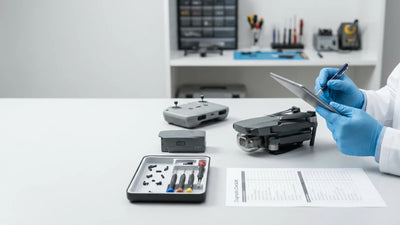
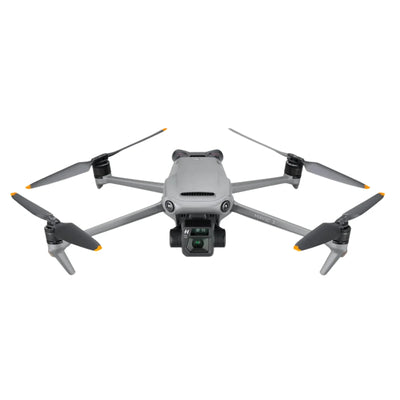
מטוסים, בקר, סוללות, אביזרים, מזהים, מצב, רשימת פריטים שסופקו ופרויקט צילום בפועל
מה מוצע
שדגם גנרי או תווית פרויקט מסדיר טיפול
אנשים ותנועה
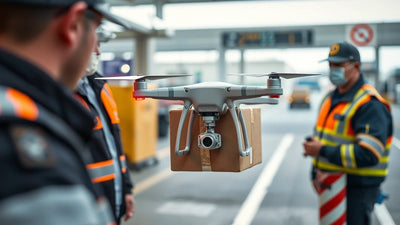
עובדות הבעלים או השולח, הנוסע או הנמען, נתיב, החזרה או תנועה ותנאים כתובים
מי מזיז את הציוד
תוצאת כניסה זמנית או אישור קבועה
רשומת מסמך
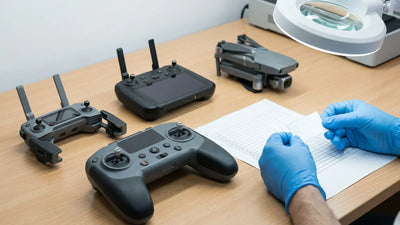
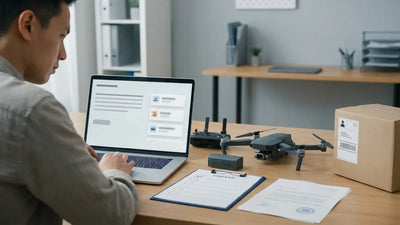
רשומת חשבונית או בעלות, רשימת ערכה, ראיות מצב, תיעוד נושא או נסיעות ותגובות בכתב
מה ניתן להראות
שצורה או דוגמה ישנה מבטיחה קבלה
סקירת יעד נוכחית
עובדות תנועת ארצות הברית לגרמניה בפועל, אנשים, מטרה ונתיב עם תגובה מתאימה עדכנית
מה צריך אישור
מועתק פטור, חובה, קרנט או מסקנת עיתוי
גבול החלטה
ציוד, אנשים, מטרה, מסלול ותשובות בכתב מיושרים
האם להמשיך
תוצאה חוצת גבולות אוניברסלית
שמור את הערכה המדויקת, המטרה והמסלול יחד
תנועה חוצת גבולות חייבת להיות מתוכננת מהציוד, האנשים, המטרה והמסלול בפועל, לא פטור היסטורי או דוגמה עלות. שמור יחד מזהים, מצב, מסמכים ותגובות כתובות. בדוק שוב בכל פעם שהערכה, הבעלים, הנמען, המטרה, המסלול או תוכנית ההחזרה משתנים.
כיצד על צוות להפוך את הסקירה לתוכנית פעולה?
פעולה
מה לשמור
שלב 1
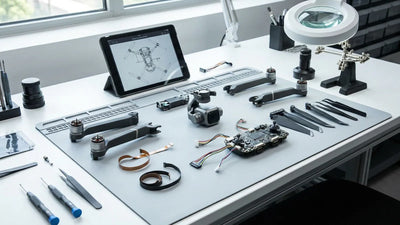
רשום את המטוס המדויק, הבקר, הסוללות, האביזרים, המזהים, המצב והפריטים שסופקו.
שלב 2
כתוב את פרויקט הצילום בפועל, אנשים אחראיים ומסלול התנועה המלא של ארצות הברית לגרמניה.
שלב 3
שמרו יחד ראיות בעלות או עסקה, רשימת ערכות, רישום מצב ותנאים כתובים.
שלב 4
השתמש בעובדות עדכניות מלאות עבור יעד מתאים ואישור ספק.
שלב 5
אין להזיז את הציוד כאשר הערכה, המטרה, האנשים או המסלול מתנגשים.