סוללת מזל"ט DJI משלוח סין לאיחוד האמירויות הערביות: הכנה ל-IATA
תקציר משלוח סוללה מסין לאיחוד האמירויות
תשובה מהירה
- משלוח סוללה מסין לאיחוד האמירויות אינו מאושר על ידי שם מוצר או תווית גנרית. הסוללה המדויקת, מצבה, האם היא מותקנת או נפרדת, המסלול ותהליך הקבלה הנוכחי של המוביל חשובים.
- הנחיית IATA היא מסגרת להובלת סחורות מסוכנות, לא הבטחה קבועה שמשלוח רחפנים מסוים יתקבל. וריאציות של מדינה ומפעיל יכולות לשנות את המסלול.
- תן למוביל או למשלח המוסמך את המטוס בפועל, הסוללה, המצב, השולח, הנמען וההובלה המיועדת לפני הכנת תוויות, מסמכים או התחייבות למשלוח.
- תשובה לקבלת תחבורה וטיפול ביבוא של איחוד האמירויות הן נפרדות מהחלטה מאוחרת יותר לגבי הטסת המטוס באיחוד האמירויות.

איזו ראיה שייכת לאיזו שאלת משלוח מסין לאיחוד האמירויות?
| שכבת החלטה | יש לספק עובדות | מי צריך להעריך את זה | אל תתייחס לזה כאל |
|---|---|---|---|
| סוללה מדויקת | דגם, כימיה, מצב, תצורה ופרטי יצרן | נתיב מוביל או סחורה מסוכנת מוסמך באמצעות הפריט בפועל | רשימת מזל"ט גנרית |
| הכנת המשלוח | שולח, נמען, כלי טיס, סידור סוללות, אריזה ושיטת הובלה | מוביל או משלח לפני מכרז | תווית מועתקת ממשלוח אחר |
| קבלת ספק | המסלול הנוכחי, דרישות המפעיל ועובדות משלוח מלאות | המוביל בפועל או נתיב הטיפול שנקבע לו | הבטחה שכל חברות התעופה יקבלו את אותה תצורה |
| יבוא איחוד האמירויות | יבואן, תיעוד מסחרי, תיאור סחורה ועובדות הגעה | יבואן, מתווך ומסלול נוכחי של איחוד האמירויות הערביות | תשובה לתחבורה אווירית |
| טיסה עתידית | עובדות מיקום, מפעיל, מטרה ומטוסים | תוואי תעופה ואתר נוכחי | מסירת המטוס |

מדוע משלוח סוללה צריך להתחיל עם הפריט המדויק?
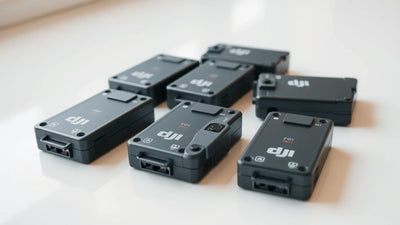
יש לתאר מטוס DJI והסוללה שלו כהערכה המוצעת בפועל להובלה. זהה את המטוס, הסוללה, המטען או הרכזת היכן שרלוונטי, המצב הנוכחי, המוכר, השולח, הנמען והאם הסוללה מותקנת בציוד או נעה בנפרד. עובדות אלו קובעות על אילו שאלות ספק או משלח מוסמך צריכים לענות.
אין לשאול סיווג, הוראת אריזה, הצהרת מצב תשלום, תווית או ביטוי מסמך ממוצר אחר או ממשלוח עבר. תצורת סוללה יכולה לשנות את המסלול הרלוונטי, ופריט משומש או לא בטוח יכול לדרוש החלטה שונה מערכה שתועדה לאחרונה.
מה מוכר צריך לרשום לפני סידור ההובלה?
בניית תיק משלוחים הקושר את הציוד הפיזי למכירה המסחרית. שמור את זהות המטוס והסוללה, זהות המוכר, החשבונית, הרוכש, גילוי המצב, התכולה בפועל, שיטת ההובלה שנבחרה ואת ההוראות הכתובות של המוביל יחד. קובץ ברור שימושי כאשר מוביל שואל שאלה עובדתית או כאשר הקונה צריך להראות מה נרכש בפועל.
אין לשלוח סוללה שנראית נפוחה, דולפת, פגומה, שונתה או לא בטוחה בדרך אחרת דרך מסלול משלוח שגרתי. שמרו את ראיות המצב ושאלו את נתיב הבטיחות הנוכחי של היצרן או גורם מקצועי מתאים כיצד יש לטפל בפריט המדויק לפני קבלת כל החלטה על הובלה.
- תאר את סידור הסוללה בפועל במקום לקרוא לכל משלוח חבילת מזל"ט רגילה.
- שמרו את החשבונית, זהות המוכר ותיעוד המצב עם פרטי המטוס והסוללה.
- שאל את המוביל לפני הדפסת תוויות או הבטחת תאריך יציאה.
- שמור חלופה מעשית אם המסלול הנקוב אינו מקבל את המשלוח.

כיצד יש להשתמש בהנחיית IATA ובקבלת הספק?
IATA מפרסמת הנחיות להובלת סוללות ליתיום באוויר, אך המשלוח עדיין צריך לעמוד בדרישות הסחורות המסוכנות החלות ובמצב הנוכחי והשינויים המפעילים עבור המסלול בפועל שלו. המשלח או המוביל זקוקים לעובדות מלאות לפני שיוכל לומר איזו הכנה, סימנים, תוויות או מסמכים חלים.
בקשו את ההכנה המקובלת בכתב למשלוח המדויק. אל תהפוך מונח רחב של IATA לטענה העומדת בפני קונה לפיה מטוס ספציפי, סוללה רזרבית או חבילה משומשת מתקבלים, מבוטחים, מסולקים או מוכנים למעבר. החלטת הקבלה שייכת לנתיב התחבורה האחראי.
מדוע יבוא איחוד האמירויות חייב להישאר נפרד מהתחבורה האווירית?
קבלת כרכרה Air נוגעת לאופן הנסיעה של החבילה. היבוא של איחוד האמירויות נוגע ליבואן, תיאור הסחורה, הרשומה המסחרית ומסלול ההגעה הנוכחי. מוכר, ספק או קונה צריכים לשמור על קבצים אלה בנפרד גם כאשר אותו משלוח מחבר אותם. תשובה אחת לא קובעת את השנייה.
השימוש המתוכנן של המטוס הוא רובד נוסף. צילום אירועים, נסיעות אישיות, עבודה מסחרית וטיסה מקומית מאוחרת יותר יכולים להעלות שאלות תעופה, אתר, פרטיות ותפעול עדכניים משלהם. הימנע מהבטחת רכישה שמתייחסת למשלוח כהוכחה לכך שטיסה מתוכננת זמינה באיחוד האמירויות.

מה מקל על רכישת ציוד חוצה גבולות להגנה?
בחר את היחידה המתועדת ותוכנית הובלה מציאותית על פני הצעה זולה עם הצהרת סוללה מעורפלת. קונה צריך להיות מסוגל לחבר בין המטוס, הסוללה, המוכר, המצב, החשבונית, מסלול התשלום, דיון המוביל ותפקיד היבואן. הרשומה הזו עוזרת לקונה להשהות או לשנות את המסלול לפני אירוע או תאריך נסיעה יוצר לחץ.
השתמש ב-Drone Wiki להקשר המוצר, במדריכי המשלוח והתשלום עבור הרשומה המסחרית ובאוסף DJI עבור נתיב ציוד רלוונטי. משאבים אלה עוזרים לארגן את הרכישה; הם אינם מחליפים את החלטת המוביל, היבואן או הרשות עבור המשלוח בפועל.
השתמש בDrone Wikiלהקשר של מודל ותאימות, ואז חזור לנתיב הפעולה שלמעלה.
תעודת משלוח Reboot Hub
עבור הזמנות ויעדים לשימוש אישי כשירות המוצגות בקופה, משלוח בינלאומי סטנדרטי Reboot Hub מסודר כ-DDP, אלא אם כן בקופה או באישור הכתוב שלנו מצוין אחרת. במסגרת DDP, מסי יבוא ומסים החלים עבור היעד המתאים כלולים בסכום התשלום או מטופלים בדרך אחרת על ידי הסדר משלוח Reboot Hub's. על הלקוחות לספק מידע מדויק על הנמען, מספר טלפון, מזהה מס, מספר יבואן או פרטי מכס כאשר היעד או הספק נדרשים לכך; עיכובים שנגרמו כתוצאה ממידע חסר או לא מדויק אינם מתייחסים כמשלוח מאוחר על ידי Reboot Hub. קרא את הנוכחימדיניות משלוחוהשתמש בקופה או באישור בכתב עבור ההזמנה המוצעת.
Keep exploring
Further reading
From ה-Reboot Hub Chronicle







From מדריכי מזל"ט