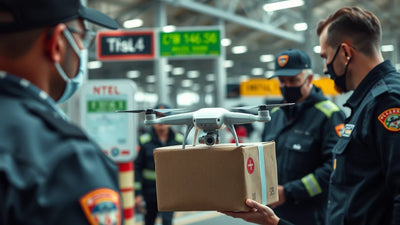
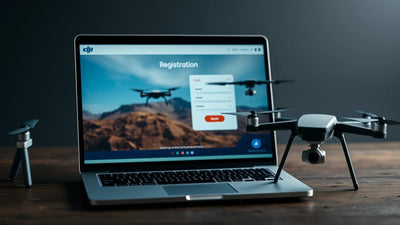
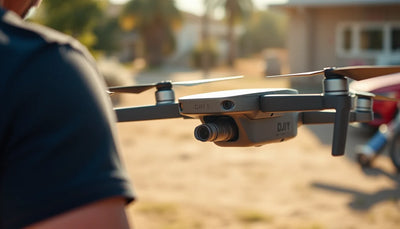
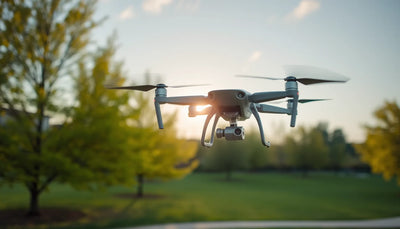
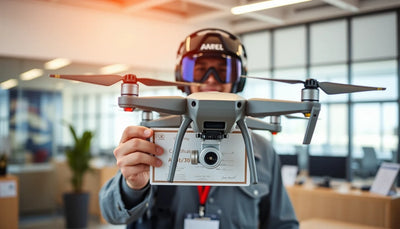
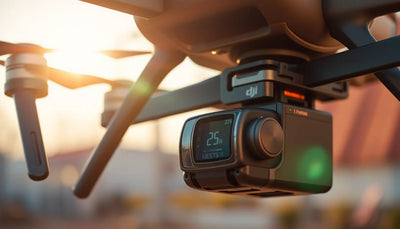
שם פארק, מאמר אישור ישן או תווית מטוס אינם קובעים מה חל על תוכנית צילום של חיות בר מסוימת. התחל עם האתר המדויק, מנהל הקרקע, ההקשר של חיות הבר והאנשים, התמונות המיועדות, המפעיל, הציוד וחלופת מצלמות קרקע. גישה לאתר, מרחב אווירי, הגנה על חיות בר, פרטיות והתאמת ציוד הן שאלות עכשוויות נפרדות.
מה צריך צוות לקבוע לפני תכנון צילומי חיות בר בישראל?
שכבת החלטה
ראיות לשמירה
מה זה יכול לקבוע
מה היא לא יכולה לקבוע
הקשר האתר
מיקום מדויק, קשר עם מנהל הקרקע, תאריך, עובדות גישה והקשר של אזור רגיש
איזה מקום מוצע
שתווית פארק לאומית קובעת כל מצב מקומי
חיות בר ואנשים
דאגה למינים או לבתי גידול, אנשים בקרבת מקום, תמונות מיועדות וחלופה למזעור הפרעות
מה עשוי להיות מושפע
שמרחק או דוגמה היסטורית מתאימים באופן אוניברסלי
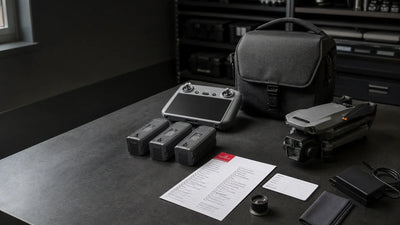
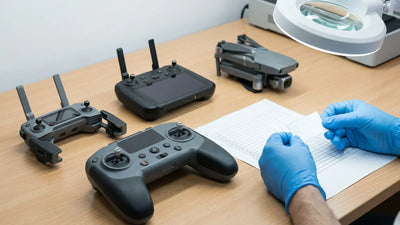
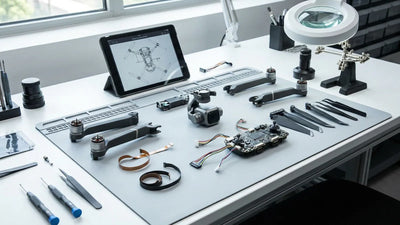
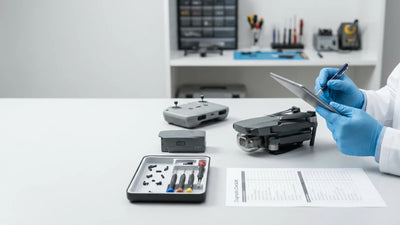
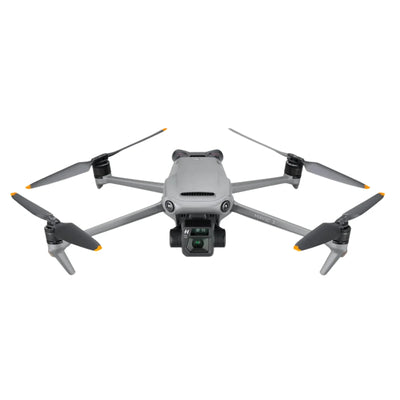
ערכה מדויקת
מטוסים, בקר, סוללות, אביזרים, רשומת מצב ורשימת פריטים מסופקים
איזה ציוד מוצע
שתווית דגם מוכיחה את התאמת האתר
סקירה נוכחית
תגובה נוכחית של מנהל קרקע, תעופה או פרויקט ספציפית הקשורה לעובדות
מה צריך אישור
הרשאה קבועה, קנס או תוצאת הפעלה
גבול החלטה
עובדות כתובות ותגובות עדכניות בהתאמה לתוכנית בפועל
האם הצוות יכול להמשיך
תוצאה מובטחת של צילום או חיות בר
תן לאתר הספציפי ולהקשר של חיות הבר להוביל את ההחלטה
אין לתכנן צילומי חיות בר מסיכום כללים כלליים. שמור את המיקום, איש הקשר עם מנהל הקרקע, התמונות המיועדות, ההקשר של חיות הבר והערכה המדויקת יחד, ולאחר מכן השתמש במסלול המתאים הנוכחי לאותו מקרה ספציפי. חלופה קרקעית היא חלק מתכנון אחראי כאשר המידע הזמין אינו תומך באופציה אווירית.
כיצד על צוות להפוך את הסקירה לתוכנית פעולה?
פעולה
מה לשמור
שלב 1
כתוב את האתר המדויק, התאריך, התמונות המיועדות ויצירת קשר עם מנהל הקרקע לתקציר פרויקט אחד.
שלב 2
הקלט את ההקשר של חיות בר, בתי גידול ואנשים לצד חלופה של מצלמות קרקע.
שלב 3
שמור את תיעוד המטוס, הבקר, הסוללות והמצב המדויק ביחד.
שלב 4
חפש סקירה נוכחית ספציפית לפרויקט במקום להסתמך על מדריך היסטורי.
שלב 5
המשך רק כאשר האתר, הציוד והתגובות הנוכחיות מתואמים.