האם אתה יכול להטיס DJI Mini 3 למטרות פנאי במלזיה?
תקציר טיסות פנאי של מלזיה
תשובה מהירה
- DJI Mini 3 המשווק מתחת ל-250 גרם אינו יוצר פטור גורף מכללי אישור הטיסה של מלזיה.
- CAAM אומר שפעילות הרחפנים נשלטת על ידי תקנות התעופה האזרחית וכי טיסה במרחב האווירי של מלזיה מחייבת את האישור הרלוונטי; פעולות בסיכון נמוך מוערכות בדרך כלל באמצעות המסלול הנוכחי של הרשאת תקן לטיסה.
- תעודת כשירות של טייס מרחוק, רישום מטוס והרשאה לטיסה מסוימת הן שאלות שונות. אל תשתמש במילה רישיון כאילו מסמך אחד עונה על שלושתם.
- מכיוון שה-Mini 3 נושא מצלמה, האתר, האנשים הסמוכים, מבנים, כלי רכב והקלטה מיועדת חשובים גם כאשר המטוס קל.
- בדוק את הטופס הנוכחי של CAAM, המרחב האווירי, הוכחות SIRIM, הרשאת האתר המקומי ותוכנית הפרטיות לפני קביעת תאריך טיסה.

איזו החלטה חייבת להיסגר לפני טיסת פנאי Mini 3?
| החלטה | עדות להכנה | בעל החלטה | אל תניח |
|---|---|---|---|
| אישור טיסה | קואורדינטות, תאריך, גובה, שיטת פעולה והערכת סיכונים | טייס או מפעיל עם CAAM | תווית של 249 גרם מסירה את שאלת ה-ATF |
| כישורי טייס | ניסיון, הכשרה וקטגוריית הפעולה | טייס עם הנחיית CAAM | כל טיסת תחביב זקוקה לאותה תעודה |
| זהות המטוס | ראיות דגם, סדרתי, תצורה ו-SIRIM | בעלים או מפעיל | האפליקציה DJI מחליפה רשומות סמכות |
| אתר ואנשים | הסכמת בעל הקרקע, גבולות, בקרת אנשים ואזור חירום | בעל אתר וטייס | מקום ציבורי זמין אוטומטית לטיסה |
| פרטיות והקלטה | מטרה, מסגור, הסכמה או הודעה וטיפול בתיקים | טייס ובעל נתונים | אישור תעופה קובע זכויות תמונה |

מדוע סטטוס תת 250 גרם אינו מיישב את שאלת הטיסה של מלזיה?
המשקל של ה-Mini 3 רלוונטי לבחירת הציוד ולכמה קטגוריות רגולטוריות, אך הנחיית ה-CAAM's הנוכחית של UAS ציבורית אינה מציגה 250 גרם כהרשאה אוניברסלית לטיסה. CAAM מסביר כי פעולות רחפנים נשלטות על ידי תקנות התעופה האזרחית וכי נדרש אישור לטיסה במרחב האווירי של מלזיה, כולל פעולות במרחב אווירי Class G לא מבוקרת.
התחל עם הטיסה בפועל ולא בסיסמת משקל. רשום את המיקום, המרחב האווירי, התאריך, הגובה המרבי, תוכנית קו הראייה החזותי, אנשים ומבנים קרובים, והאם המצלמה תאסוף תמונות ניתנות לזיהוי. השתמש בקובץ זה כדי לזהות את המסלול הנוכחי של CAAM וכל אישור אחר של סוכנות או אתר שחל.
מה ההבדל בין רישיון, רישום ו-ATF?
CAAM משתמש בבקרות שונות עבור כישורי טייס, רישום מטוס והרשאה מבצעית. ההנחיה הציבורית שלו מקשרת את אישורי RCoC לקטגוריות ספציפיות או חקלאיות במקום לתאר רישיון רחפנים אוניברסלי אחד. עוד נכתב כי כלי טיס בלתי מאוישים קטנים וכלי טיס בלתי מאוישים קטנים נמצאים מחוץ למסלול תעודת רישום כלי טיס רגיל; ייתכן שיידרשו סימוני רישום עבור מטוסים מעל 20 ק"ג כאשר CAAM דורשים אותם.
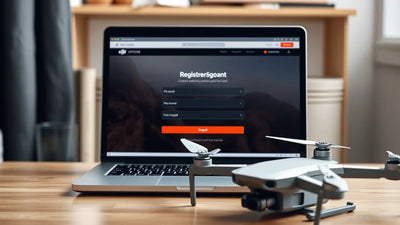
הרשאת תקן לטיסה מתייחסת למבצע המוצע. הטופס הנוכחי מבקש את מותג המטוס, הדגם, סדרת המוצר, הסמכת SIRIM והוכחות מבצעיות. זה לא אותו דבר כמו רישום חשבון DJI או הפעלת המטוס ב-DJI Fly. שמור כל רשומה תחת הבעלים הנכון כך שמוכר לא יכול להחליף אחד באחר.
- השתמש בדף ובטופס UAS הנוכחיים של CAAM במקום בסיכום שוק 2024.
- התאם את הסידור ברשומת הרכישה, בדיקת חשבון DJI וקובץ ATF.
- שאל את בעל הקרקע על גישה מקומית והגבלות בנפרד.
- הערך מחדש את התוכנית כאשר המיקום, מטרת המצלמה או שיטת ההפעלה משתנים.

כיצד יש לתכנן טיסת פנאי בסיכון נמוך?
מפה אזור פעילות, חיץ מאנשים ורכוש, אזור שיגור והתאוששות ואזור נחיתה חלופי. אשר מגע ויזואלי, סביבת רדיו, מגבלות מזג אוויר ותגובה של קישור שאבד. מכשיר Mini 3 המצויד במצלמה יכול להיכנס למגבלות הקשורות למעקב ליד אזורים ייעודיים, מכלולים, אנשים, כלי רכב או מבנים, כך שהתוכנית חייבת לשקף את הסביבה האמיתית.
אל תסתמך רק על הגנה גיאוגרפית של DJI. מפות ואזהרות של יצרנים הם עזרים תפעוליים שימושיים, אך הם אינם הצהרה מלאה על המרחב האווירי של מלזיה, הגבלות זמניות, גישה לרכוש או חוק הפרטיות. בדוק את פרטי הרשות והאתר עבור התאריך המיועד ושמור רישום פשוט של go/no-go.
מה קונה צריך לוודא לפני בחירת Mini 3 משומש?
אשר את סדרות המטוס והבקר, מצב חשבון DJI, תצורה אזורית, זהות הסוללה, תפקוד המצלמה והגימבל, חיישנים, תיקונים קודמים ואביזרים נלווים. הסוללה הרגילה וכל אפשרות סוללה כבדה יותר יכולים לשנות את תצורת ההמראה, אז תעדו את הערכה המדויקת במקום להסתמך על כותרת משפחת דגם.
בחר את הדגם לאחר הבנת תוכנית הטיסה. מסגור המצלמה, חשיפת הרוח, סביבת המכשולים, אפשרויות התמיכה והלוגיסטיקה של הסוללה עשויים להיות חשובים יותר מהתצורה הקלה ביותר המפורסמת. שמרו על המצב והרשומה הסדרתית כך שאותן ראיות יוכלו לתמוך במשלוח, ב-SIRIM ובניירת תפעולית.

השתמש בDrone Wikiלהקשר של מודל ותאימות, ואז חזור לנתיב הפעולה שלמעלה.
Keep exploring
Further reading
From ה-Reboot Hub Chronicle





From מדריכי מזל"ט