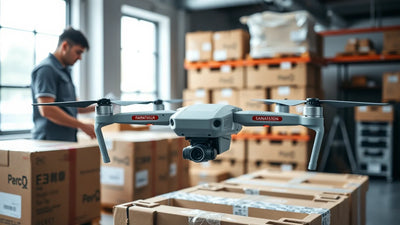
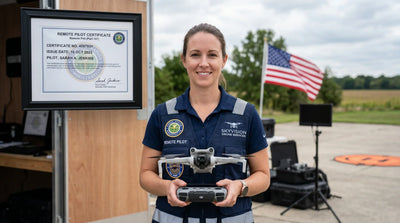
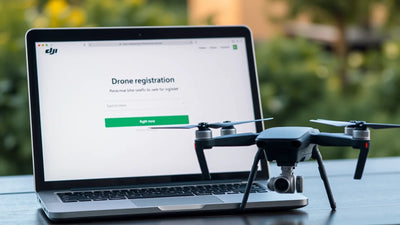
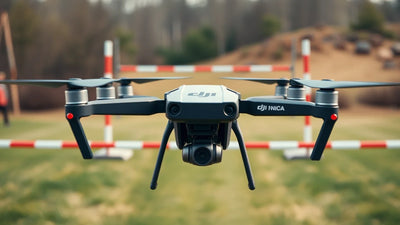
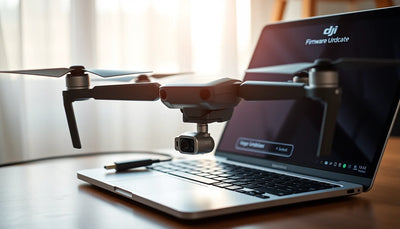
שם דגם, מדריך שכר או תעודה ישן יותר ותווית בדיקת יער אינם קובעים עבודה מסוימת באתר. שמור את ההקשר האמיתי של היער, האנשים, הציוד המדויק, מטרת הלכידה, ראיות המפעיל, המצב ותשובות הנתיב האחראיות הנוכחיות יחד לפני שתבטיח עבודה אווירית.
מה צריך צוות לקבוע לפני תכנון עבודת מזל"ט לבדיקת יער בשוודיה?
שכבת החלטה
ראיות לשמירה
מה זה יכול לקבוע
מה היא לא יכולה לקבוע
אתר יער ואנשים
קשר לקרקע או לנכס, הקשר לאתר, עובדים, מבקרים, גישה, גבול מזג האוויר וחלופת קרקע
מה כוללת התפקיד המוצע
ניסוח היער קובע שאלות גישה או תפעול
ערכה מדויקת
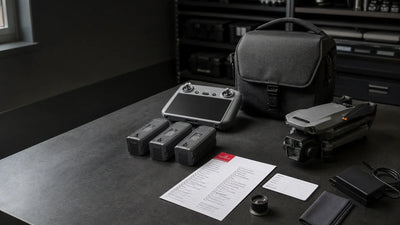
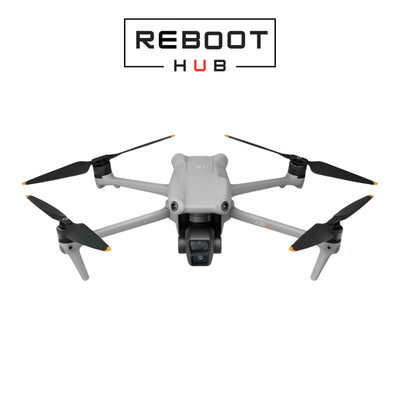
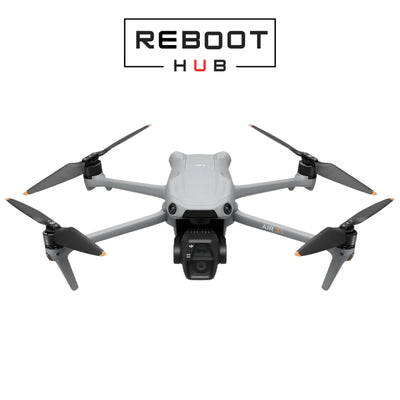
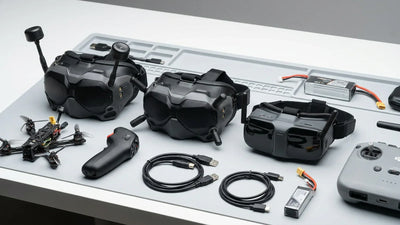
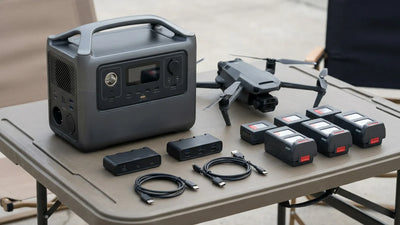
מטוס, בקר, סוללות, מצלמה או מטען, אביזרים, גרסה, סדרה ומצב
איזו מערכת מוצעת בפועל
ששם דגם מוכיח התאמה או אישור
מטרת הבדיקה
שאלת נכס או יער ספציפי, גבול לכידה, פלט נדרש ובעלי ביקורת
מה הצוות צריך ללמוד
תמונה, נתונים או תוצאת בדיקה מובטחת
מפעיל ומסלול נוכחי
מפעיל אחראי, מסלול נוכחי לאתר ולאנשים בפועל ותגובות בכתב
מה צריך אישור עכשיו
תשלום קבוע, תעודה, ביטוח או תוצאה של כלל
תנאי עצירה
סיבה להשהות כאשר גישה, אנשים, מזג אוויר, ציוד או תשובות מתנגשות
מתי העבודה האווירית צריכה להיפסק
שפרויקט קודם מנבא את זה
מדוע שאלת היער צריכה לבוא לפני המלצת מודל?
צוות יכול להשוות ציוד מתועד רק לאחר שהוא יודע באיזה נכס או שינוי יש לצפות. זה שומר על השאלה האמיתית של הלקוח, מצב הציוד ותוואי האתר הנוכחי גלויים במקום להתייחס לתיאור מוצר או סיכום דרישה ישנה יותר כאישור פרויקט.
כיצד על צוות להפוך את הסקירה לתוכנית פעולה?
פעולה
מה לשמור
1. הגדר את שאלת הבדיקה
רשום את שאלת היער או הנכס המדויק, איש הקשר באתר, אנשים, גישה וחלופת קרקע.