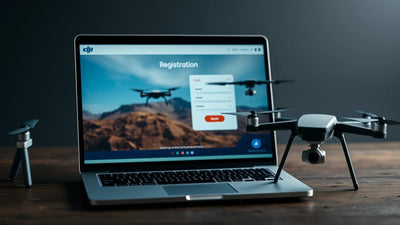
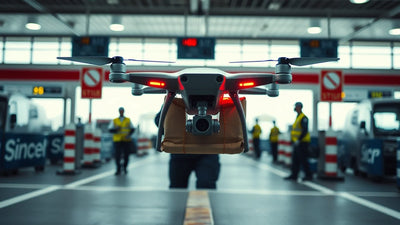
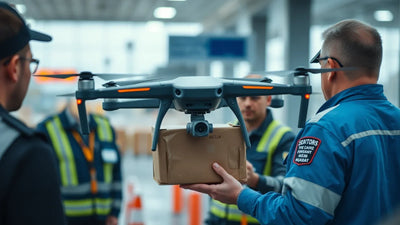
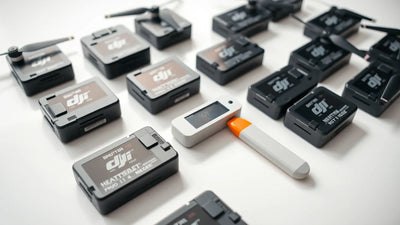
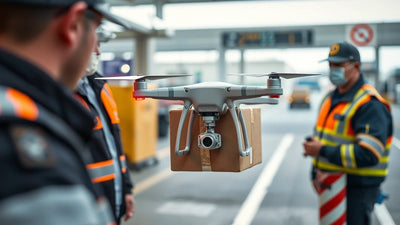
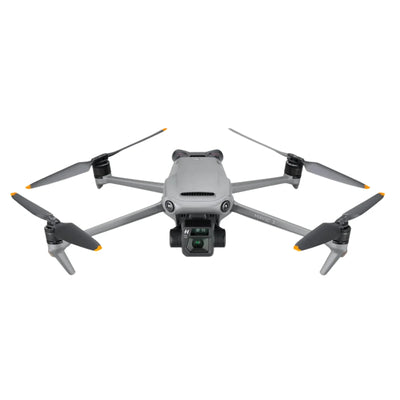
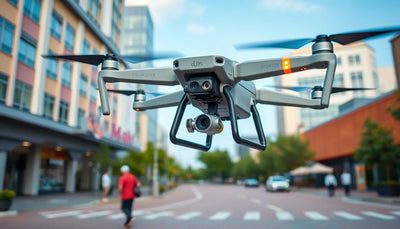
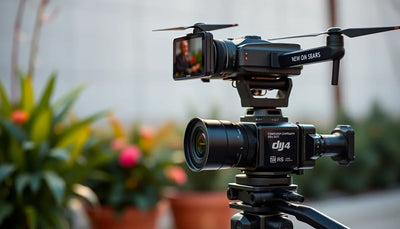
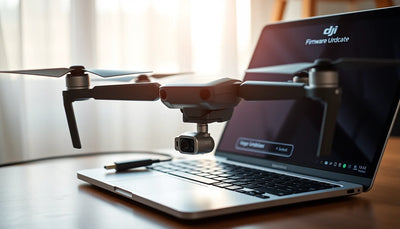
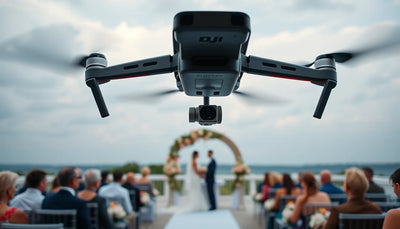
תווית FPV, סיכום צופה חזותי בעבר או תביעה במשקל מוצר אינם קובעים אירוע מסוים. שמור את האתר בפועל, האנשים, הציוד המדויק, תפקידי הצפייה או התמיכה, היקף האירוע ותשובות המסלול הנוכחיות יחד לפני הפגישה.
מה צריך צוות להקים לפני תכנון מפגש FPV בקנדה?
שכבת החלטה
ראיות לשמירה
מה זה יכול לקבוע
מה היא לא יכולה לקבוע
אתר ואנשים
אתר מדויק, מארגן אירוע, משתתפים, צופים, צוות, גישה ואלטרנטיבה קרקעית
אנשים אחראיים בשם, תוכנית תקשורת, תפקידי צפייה או תמיכה וגבולות
מי אחראי על המושב
שתיאור תפקיד גנרי מאשר אירוע
מסלול נוכחי
מסלול אחראי נוכחי לאתר בפועל, לאנשים ולפעילות
מה צריך אישור
תעודה קבועה, אגרה, קנס או סיכום משקיף
תנאי עצירה
סיבה כתובה להשהות כאשר אתר, אנשים, ציוד או תשובות נוכחיות מתנגשות
מתי ההפעלה אמורה להפסיק
שאירוע קודם מבטיח תוצאה עדכנית
מדוע צריכה תוכנית הפעלה FPV לתת שם לאנשים ולאתר בפועל?
השאלה המעשית אינה האם תווית חלה בתקציר. הצוות צריך אתר גלוי ותוכנית אנשים, ציוד מתועד ומסלול עדכני לפגישה הספציפית. זה שימושי יותר מקנסות מועתקים, תעודה או תביעה על משקל המוצר.
כיצד על צוות להפוך את הסקירה לתוכנית פעולה?
פעולה
מה לשמור
1. הגדר את האתר והאירוע
רשמו את המיקום המדויק, המארגן, המשתתפים, הצופים, הצוות וחלופת הקרקע.