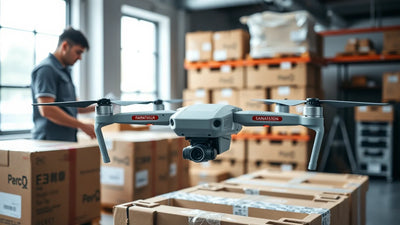
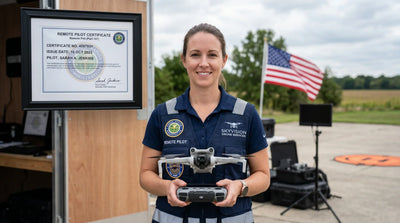
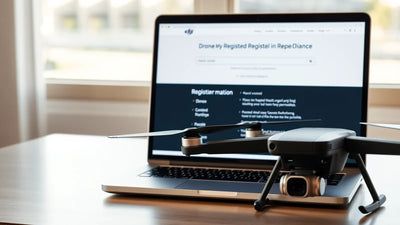
הזמנה בתשלום, חדר מקורה, שם דגם או תקציר רישיון ישן אינם קובעים תוכנית חתונה מסוימת של לאגוס. שמור את המקום, האנשים, הערכה המדויקת, המפעיל, היקף הלקוח, גבול הפרטיות ותשובות המסלול הנוכחיות יחד לפני שמבטיחים אלמנט אווירי.
מה צריך להקים צוות חתונות של לאגוס לפני תכנון כיסוי מזל"ט?
שכבת החלטה
ראיות לשמירה
מה זה יכול לקבוע
מה היא לא יכולה לקבוע
חתונה ומקום
זוג, איש קשר למקום, אורחים, לוח זמנים, גישה, הקשר מקומי ואלטרנטיבה קרקעית
איזה אירוע מוצע
שהזמנה מעניקה כל צורה של גישה
ערכה מדויקת
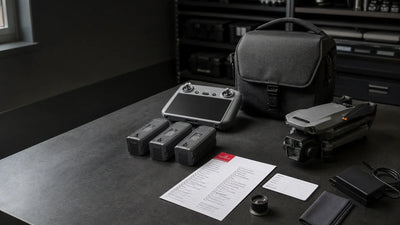
כלי טיס, בקר, סוללות, תצורת מצלמה, סדרה, מצב ורשומת פריט מסופק
איזה ציוד מוצע
ששם דגם מיישב את התאמת הפרויקט
מפעיל והיקף
מפעיל אחראי, תדריך לקוח, היקף מסירה, עוזרים וגבולות כתובים
מי אחראי על העבודה המתוכננת
תוצאה קבועה של רישיון, אגרה, עיתוי או קנס
פרטיות ואנשים
נראות אורחים, נתיב הסכמה, גבול אחסון ומסירה
איזה קטע צריך טיפול מתחשב
שבריף חתונה עונה על כל שאלות הנתונים
מסלול נוכחי
מסלול אחראי עדכני עבור המקום, האנשים והפעילות בפועל
מה צריך אישור
שמדריך היסטורי מאשר את האירוע
מדוע תוכנית חתונה צריכה להתחיל בעובדות אנשים ומקום?
חתונה היא אירוע חי עם אורחים, מקום ספציפי והזדמנות מוגבלת לתקן הנחה רעה. תיעוד ברור עוזר לצוות להחליט אם אלמנט אווירי נתמך, מבלי להבטיח שמאמר קודם קובע את ההרשאה, העלות או התוצאה של היום.
כיצד על צוות להפוך את הסקירה לתוכנית פעולה?
פעולה
מה לשמור
1. רשום את עובדות האירוע
שמור על מקום, זוג, אורחים, לוח זמנים, קשר למקום ואלטרנטיבה קרקעית ביחד.
2. תיעד את הערכה המדויקת
הקלטת מטוסים, בקר, סוללות, הגדרות מצלמה, סדרתי, מצב ופריטים שסופקו.
3. הגדירו את גבול המסירה והפרטיות
כתוב את הצילומים המבוקשים, נראות האורחים, האחסון והיקף מסירת הלקוח.
4. אשר את המסלול הנוכחי
השתמש במסלול האחראי הנוכחי עבור המקום, האנשים והתפעול בפועל.
5. שמרו על כלל עצירה
השהה את הצילום האווירי כאשר העובדות המתועדות אינן תומכות בכך.