תסקיר החלטה של תאילנד ארגוני רחפן
תשובה מהירה
- עבור לפלטפורמה ארגונית רק כאשר המשימה דורשת מטען נתמך, נתונים שניתנים לחזרה, בקרות צוות או יכולת שירות שמערכת הצרכנים הנוכחית אינה יכולה לספק.
- הגדר את נתיב המסירה ונתיב הנתונים לפני בחירת המטוס, הבקר, המטען, הסוללות או התוכנה.
- עבור תאילנד, ודא את נתיב הטייס והמטוס הנוכחי CAAT ואת נתיב הרישום של ציוד רדיו NBTC עבור המערכת המדויקת.
- תקציב את מערכת ההפעלה השלמה, כולל סוללות, מטענים, תוכנה, הדרכה, ביטוח, יבוא, תחזוקה וזמני השבתה, מבלי להסתמך על מחיר קבוע ישן.
- לפני התשלום, דרשו מעקב סדרתי, שחרור חשבון, רשומות מערכת מלאה ובדיקת קבלה חיה באמצעות זרימת העבודה המיועדת.

מה משתנה כאשר צוות עובר מצרכן לארגון DJI?
| שכבה | נקודת מוצא לצרכן | החלטת מפעל | עדות לפני רכישה |
|---|---|---|---|
| שליחות | הדמיה כללית או בדיקה מדי פעם | בקרות סיכונים ניתנות לביצוע חוזרות ונשנות ומוגדרות | פלט כתוב, אתר וקריטריוני קבלה |
| מטען | מצלמה משולבת | מצלמה נתמכת בדגם, תרמית, מיפוי או מטען אחר | תאימות מדויקת והדגמה חיה |
| נתונים | לכידה ידנית וקבצים מקומיים | תכנון חוזר, מתן שמות, אחסון ומסירת לקוח | מערך נתונים לדוגמה מקצה לקצה |
| צוות | הגדרת טייס יחיד | תפקידים לטייס, משקיף, מטען וסקירת נתונים | נוהל תפעול ותוכנית הדרכה |
| מסלול תאילנד | הנחות פנאי עשויות להיות לא רשמיות | דרישות CAAT ו-NBTC נוכחיות עבור המערכת האמיתית והשימוש | רישומי רשות הקשורים למטוס ולמפעיל |
| תמיכה | החלף או תקן לפי הצורך | מתוכנן חלפים, רשומות, שירות ותגובה בזמן השבתה | קובץ מצב ותמיכה בסידרה |

מתי רחפן ארגוני מוצדק בעצם?
המילה מיזם אינה המקרה העסקי. מהלך מוצדק כאשר המטען הנדרש, יכולת החזרה, בקרות הנתונים, סביבת ההפעלה או תוכנית השירות לא ניתן לעמוד באופן אמין על ידי המערכת הצרכנית הנוכחית. התחל עם עלות המשלוח והכשל של הלקוח ולא בקטלוג המטוסים.
רשום את פלט החיישן, השטח, השטח, האנשים בקרבת מקום, פורמט הנתונים, הדרישה להחזרה ולטיסות חוזרות. התקציר הזה מאפשר להשוות בין מטוס ארגוני קומפקטי, פלטפורמה גדולה יותר או תהליך טוב יותר סביב המל"ט הצרכני הקיים מבלי לקנות יכולת שהצוות לא ישתמש בה.
כיצד יש לבחור את המטוס והמטען?
התאם את השילוב המדויק של המטוס, הבקר, המטען והתוכנה לתוצר. אשר תאימות בתיעוד הנוכחי של DJI והדגים את המערכת השלמה. אין להעביר יכולת, נתון דיוק או זכאות תוכנה מדגם אחר או מתצורת שוק אחרת.
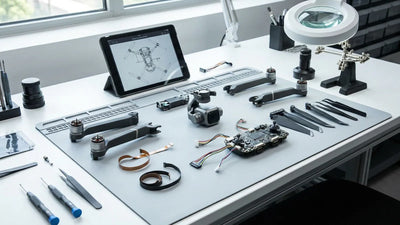
כלול ברשימת הקבלה סוללות, מטען, אחסון, אביזרי מיקום, מארזים וחלקי חילוף. עבור יחידת יד שנייה, חבר כל רכיב מסודר לחשבונית, רשומת המצב והיסטוריית השירות הידועה.

אילו רישומים בתאילנד חייבים לבדוק?
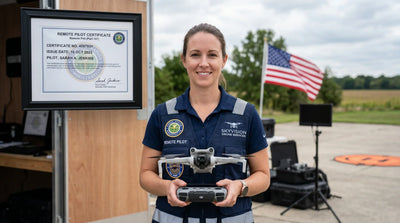
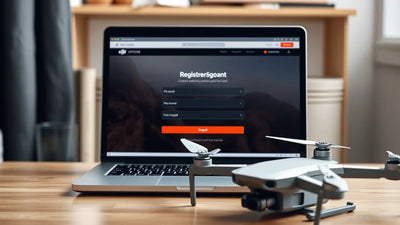
CAAT מנחה טייסי רחפנים ורישום מטוסים דרך פורטל UAS הנוכחי שלה. NBTC שומרת על נתיב נפרד לציוד רדיו-תקשורת המשמש ברחפנים. המסמכים והמסלול יכולים להיות תלויים במטוס, במפעיל ובשימוש המיועד, אז אשר את הדרישות הנוכחיות לפני הרכישה ושוב לפני הטיסה.
אין להעתיק סף משקל ישן, סכום ביטוח, עמלה או זמן עיבוד לתקציב הפרויקט כאילו הוא אוניברסלי. השתמש בפרטי המטוס והמפעיל המדויקים בעת יצירת קשר עם CAAT, NBTC, המבטח או יועץ מקומי מוסמך.
מה שייך לעלות התפעול הכוללת?
רכישה נפרדת ממבצע. כלול את ערכת המטוסים השלמה, סוללות, מטענים, תוכנה, עיבוד נתונים, הדרכה, ביטוח, יבוא, נסיעות, תחזוקה, חלפים ועלות ההשבתה. השג הצעות מחיר עדכניות בכתב עבור המערכת הסופית במקום להסתמך על מחיר מדגם או שנה אחרת.
מחיר רכישה נמוך יותר יכול להיות ערך נמוך כאשר החשבון אינו משוחרר, המטען אינו נתמך, מסמכים חסרים או שירות מקומי דורש זמן השבתה ארוך. ציון כל הצעה מול אותה רשימת ראיות לפני השוואת סכומים.

מה צריך לכלול מבחן הקבלה לפני הרכישה?
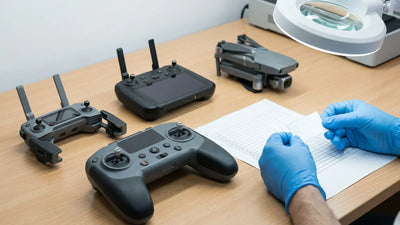
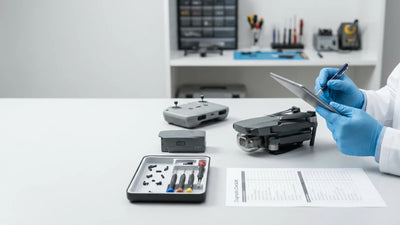
אמת את זהות המוכר, חשבונית, סדרות, שחרור חשבון, צימוד מטוס-בקר, זיהוי מטען, מיקום, פלט מצלמה או חיישן, אחסון, סוללות, מטען ונתיב העדכון הרגיל. הפעל משימת דגימה מבוקרת שמייצרת את הקובץ שהצוות מצפה לספק.
סקור את המדגם הזה באמצעות התוכנה המיועדת והעברת הלקוח. Reboot Hub צריך לתעד את המצב שנצפה, הציוד הכלול והבדיקה שבוצעה, בעוד CAAT, NBTC והמפעיל נשארים מקבלי ההחלטות לגבי דרישות התפעול הנוכחיות בתאילנד.
השתמש ב-Drone Wikiלהקשר של מודל ותאימות, ואז חזור לנתיב הפעולה שלמעלה.
Keep exploring
Further reading
From ה-Reboot Hub Chronicle









From מדריכי מזל"ט