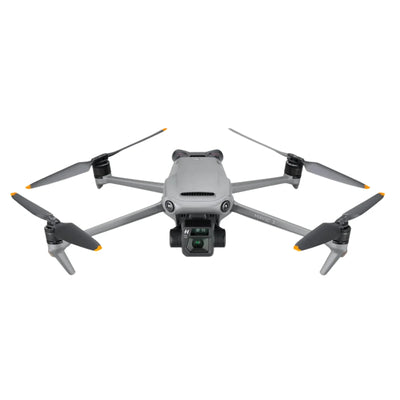
תקציר תכנון אתר ארכיאולוגיה באיטליה
אתר היסטורי או ארכיאולוגי יכול לכלול יותר ממקבל החלטות אחד. התייחס לתעופה, גישה לאתר, צוות, ציוד והיקף הפרויקט כשאלות נוכחיות נפרדות במקום להסתמך על שכר טרחה, אישור או תביעת עיתוי ישנים יותר.
מה צריך צוות להקים לפני שהוא מציע פרויקט מזל"ט באתר ארכיאולוגיה איטלקי?

מדוע שאלות תעופה וארכיאולוגיה צריכות להישאר נפרדות?
תגובת אתר יכולה להגדיר ציפיות מבקרים, גישה או מורשת תרבותית. הוא אינו מחליף את נתיב התעופה הנוכחי למבצע המתוכנן. שמירה על הבחנה של השאלות מקלה על ההסבר של הפרויקט ומונעת התייחסות לאמירה רחבה אחת כהרשאה לכל חלק בעבודה.
כיצד על צוות להפוך את הסקירה לתוכנית פעולה?
נתיבי Reboot Hub קשורים
שאלות נפוצות
האם מאמר היסטורי באתר קובע גישה נוכחית לפרויקט?
לא. השתמש באיש הקשר האחראי באתר ושמור את תגובתו הכתובה הנוכחית עבור הפרויקט בפועל.
האם הגישה לאתר מחליטה על נתיב התעופה?
לא. שאלות תעופה ואתרים זקוקות לאישור נוכחי משלהן.
מדוע הערכה המדויקת שייכת לקובץ הפרויקט?
המטוס, הבקר והמצלמה או המטען מזהים את המערכת המסוימת המוצעת.
האם מדריך יכול להבטיח עלות או זמן תגובה?
לא. יש לאשר את הפרטים הללו דרך המסלול הנוכחי האחראי לפרויקט הספציפי.
מה צריך לשנות את סקירת הפרויקט?
בדוק שוב כאשר ההיקף, המיקום, התאריכים, הציוד, הצוות האחראי או התנאים הנוכחיים משתנים.
Keep exploring
Further reading
From ה-Reboot Hub Chronicle















































From מדריכי מזל"ט