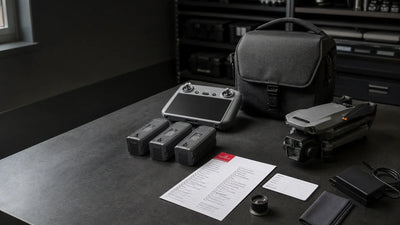
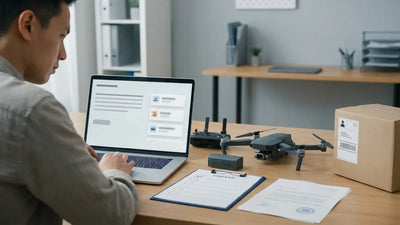
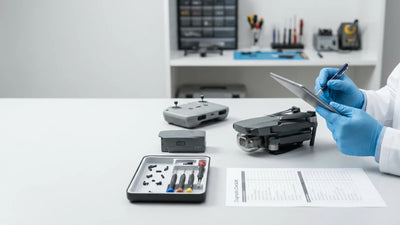
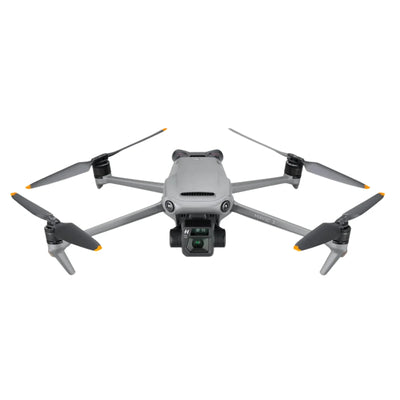
טבלת חובה ישנה, הצעת מחיר בשוק או תווית משלוח אינם קובעים את הטיפול בערכת DJI מדויקת הנכנסת לתאילנד. שמור את המטוס, הבקר, הסוללות, הפריטים שסופקו, רשומת המוכר, החשבונית, הוכחות לתשלום, תנאי הספק ועובדות היעד ביחד. טיפול במכס, שאלות ציוד רדיו ודרישות תפעול הן בדיקות שוטפות נפרדות.
מה צריך קונה לקבוע לפני שליחת ערכת DJI לתאילנד?
שכבת החלטה
ראיות לשמירה
מה זה יכול לקבוע
מה היא לא יכולה לקבוע
ערכה מדויקת
מטוסים, בקר, סוללות, אביזרים, רשימת פריטים שסופקו ורשומות סדרתיות
מה מוצע לייבוא
תווית מוצר אחת מכסה כל רכיב שסופק
רשומת עסקה
זהות המוכר, חשבונית, רשומת תשלום, ראיות מצב ותנאים בכתב
מה נכתב בעסקה המוצעת
שצילום מסך של ערך לא פורמלי או רישום יתקבל
תיעוד תעבורה
מסלול הספק, תנאי טיפול בסוללה, פרטי שולח/נמען ומסמכי משלוח
מה הסכים המוביל להעביר
קבלה של ספק מחליטה על טיפול ביעד
סקירת יעד נוכחית
דגם ותצורה מדויקים, עובדות היבואן ותגובת הרשות או המתווך הנוכחית
אילו שאלות זקוקות לאישור עדכני
תוצאת מכס קבועה, מס, רדיו או תפעול
גבול החלטה
ערכה מדויקת מלאה וקובץ עסקה לפני תשלום או משלוח
האם יש לקונה די ראיות כדי להמשיך
תוצאה מובטחת של כניסה, רישום או טיסה
יש להפריד בין שאלות יבוא, ציוד ותפעול
קובץ ייבוא אמור להפוך את הערכה והעסקה המוצעת לקלים לבדיקה מבלי להפוך מחשבון היסטורי לתוצאה עדכנית של מכס. על הקונה לשאול את הרשות הנוכחית המתאימה, המתווך, הספק או נתיב התמיכה לגבי שאלת היעד המדויקת. התייחס לדרישות תפעול מאוחרות יותר כסקירה נפרדת במקום הוכחה שסופקה באמצעות חשבונית או תנאי משלוח.
כיצד על צוות להפוך את הסקירה לתוכנית פעולה?
פעולה
מה לשמור
שלב 1
רשום את המטוס המדויק, הבקר, הסוללות, האביזרים ורשימת הפריטים שסופקו.
שלב 2
שמור את זהות המוכר, החשבונית, הוכחות לתשלום, רישום המצב והתנאים הכתובים ביחד.
שלב 3
אשר את תנאי הטיפול הנוכחיים של הספק עבור הערכה והמסלול הנקובים.
שלב 4
השתמש בדגם המדויק, בתצורה ובעובדות היבואן לבדיקת היעד הנוכחית.
שלב 5
השהה את התשלום או השליחה כאשר הראיות והתגובות הנוכחיות אינן מתאימות.