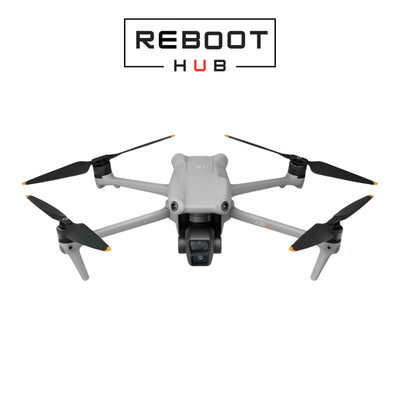
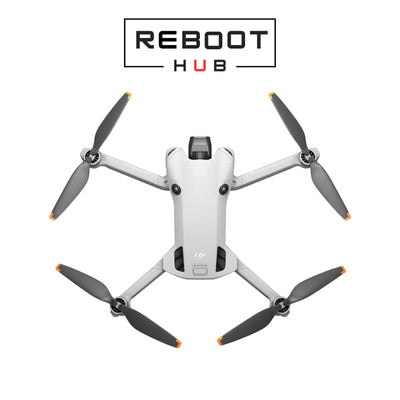
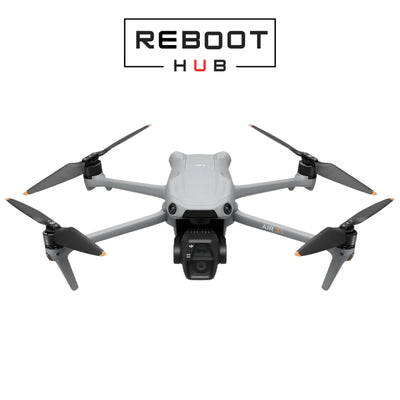
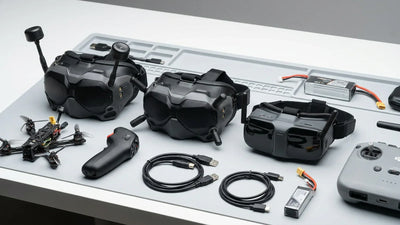
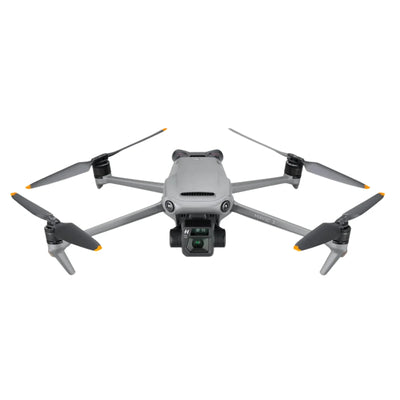
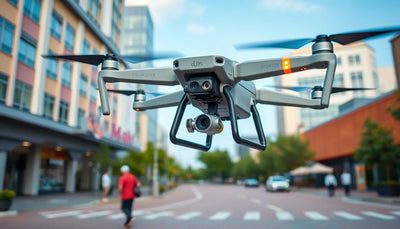
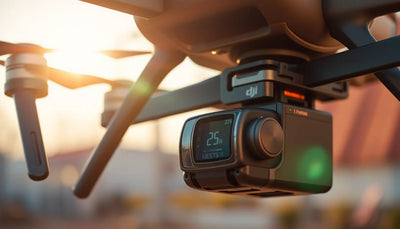
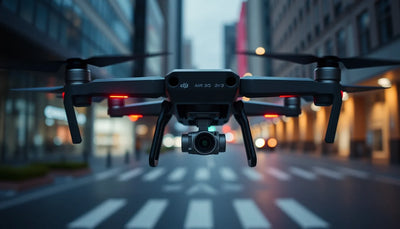
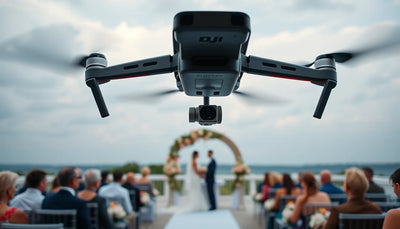
רעיון דיג ברחפן, פרסומת למדיניות ותקציר כללים ישן יותר אינם מחליטים אם מפגש מסוים של קו חוף או סירה מתאים. שמור את המטוס המדויק, מערך הדיג, האנשים, הקשר האתר, רישום המצב והתשובות הכתובות העדכניות יחד לפני הפגישה.
מה אדם צריך לקבוע לפני תכנון דיג רחפנים בספרד?
שכבת החלטה
ראיות לשמירה
מה זה יכול לקבוע
מה היא לא יכולה לקבוע
אתר ואנשים
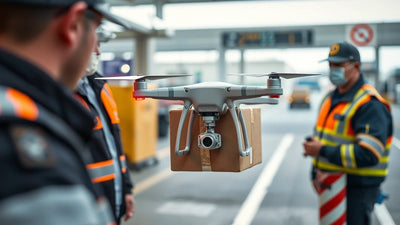
הקשר מדויק לחוף או לסירה, משתמשי מים אחרים, עוברי אורח, קשר בעלים או מפעיל וגבול מזג האוויר
מה כוללת המושב המוצע
שתווית בילוי רחבה קובעת גישה לאתר או בטיחות
מערכת מדויקת
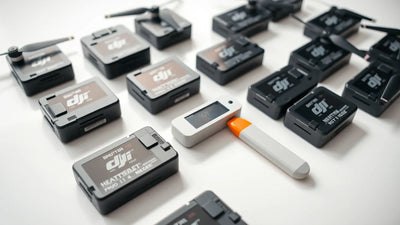
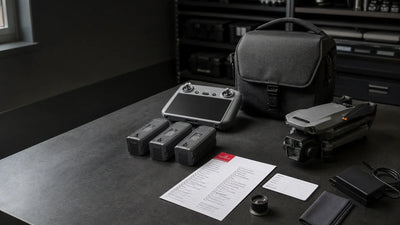
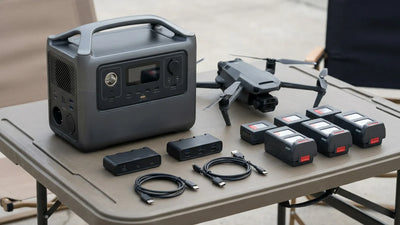
מטוס, בקר, סוללות, אביזר קו או שחרור, סדרתי, מצב ורשומת פריט מסופק
איזה ציוד מוצע בפועל
שכל מזל"ט או קובץ מצורף מתאים לכל סשן מים
היקף כריכה כתובה
נוסח מדיניות עדכני, פעילות בשם, ציוד ושאלות שנשלחו בכתב
מה אומר הספק לגבי המצב האמור
כיסוי אוניברסלי, מחיר או תוצאת תביעה
מסלול סקירה נוכחי
אתר נוכחי, תעופה, מסלול ימי או מקומי הרלוונטי להפעלה בפועל
אילו שאלות זקוקות לתשובה עדכנית
שמאמר ישן מחליט על תנאי היום
תנאי עצירה
סיבה מתועדת להשהות כאשר אנשים, אתר, ציוד או תשובות כתובות אינם מתיישבים
מתי התוכנית צריכה להיפסק
הכנה זו הופכת סשן מסוכן למקובל
מדוע ציוד דיג ותכנון טיסה צריכים להישאר בתיק ראיות אחד?
מפגש יכול לכלול משתמשי מים, קו או אביזר שחרור, מזג אוויר משתנה ומצב מטוס ספציפי. שמירה על העובדות הללו מקלה על השאלות הנוכחיות הנכונות. זה לא מבטיח גישה, כיסוי, מחיר או תוצאה תפעולית.
כיצד על צוות להפוך את הסקירה לתוכנית פעולה?
פעולה
מה לשמור
1. הגדר את הפגישה בפועל
רשמו את ההקשר המדויק של האתר או הסירה, מערך הדיג המיועד, אנשים בקרבת מקום וגבול מזג האוויר.
2. תיעד את המערכת המדויקת
שמור על מטוסים, בקר, סוללות, אביזרים, רישום סדרתי, מצב ופריטים מסופקים ביחד.
3. שאלו שאלות כריכה בכתב
שתף את הפעילות והציוד בפועל עם הספק הרלוונטי; לשמור על התגובה והניסוח הנוכחיים.
4. בדוק את מסלול האתר הנוכחי
השתמש במסלול האחראי הנוכחי עבור המיקום והנסיבות הנקובים.
5. שמור על כלל עצירה
השהה כאשר האתר, האנשים, מצב הציוד או התשובות בכתב אינם תומכים בתוכנית.