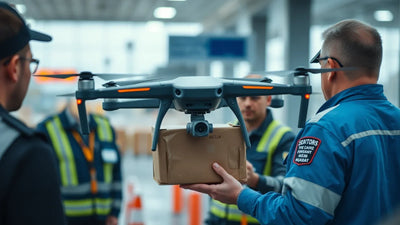
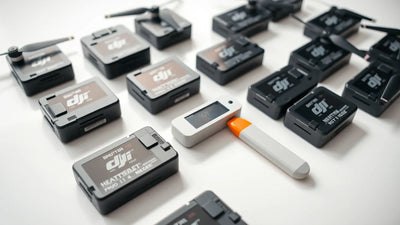
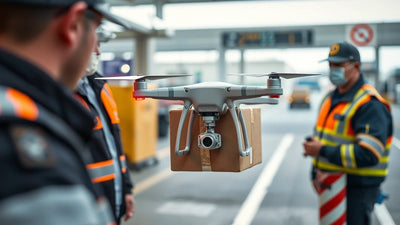
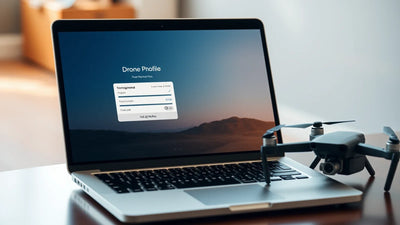
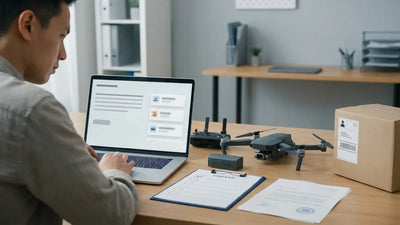
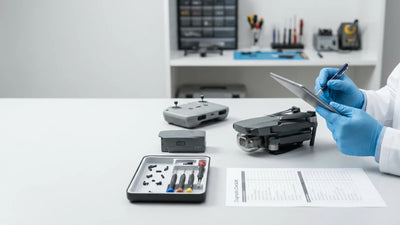
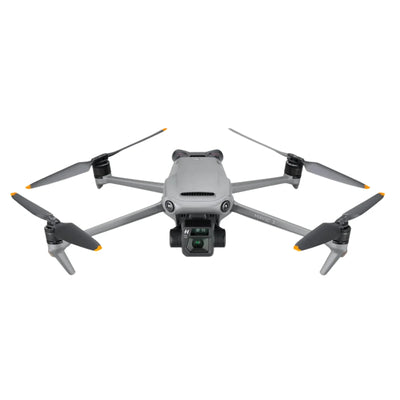
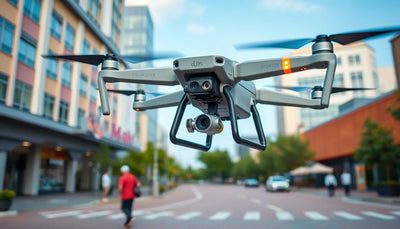
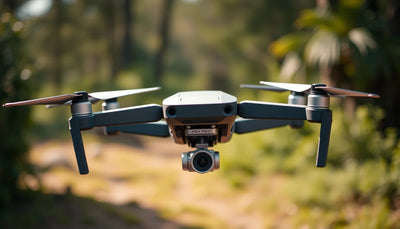
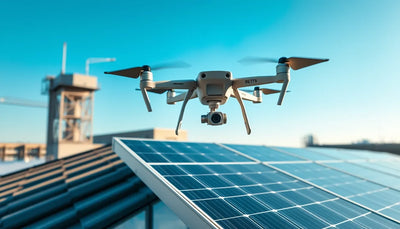
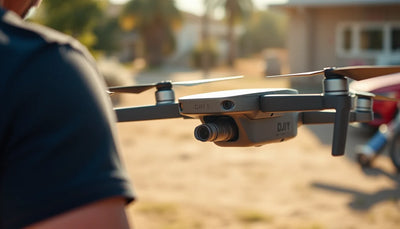
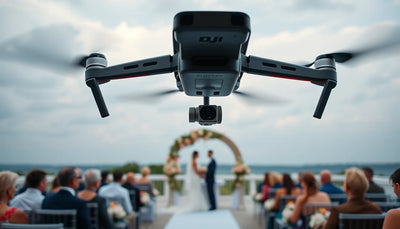
מצב גג, רוח נצפית, מטוס קומפקטי ומוצר בדיקה הם החלטות נפרדות. אל תתייחס למבחן רוח היסטורי כסיבה לטוס. התחל עם דרישת הפרויקט, ערכה מדויקת, ההקשר הנוכחי של האתר וחזרה של בדיקה קרקעית שעדיין יכולה לספק ראיות שימושיות.
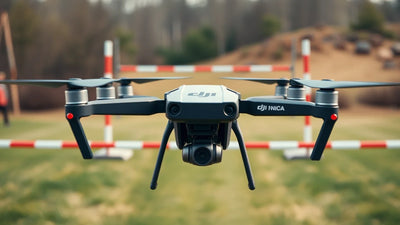
מה צריך צוות בדיקת גגות ליון לקבוע לפני שהוא שוקל ציוד DJI Mini 4K?
שכבת החלטה
ראיות לשמירה
מה זה יכול לקבוע
מה היא לא יכולה לקבוע
מטרת הבדיקה
שטחי גג, תצפיות נדרשות, מסירת לקוח, אילוצי גישה וחלופת קרקע
מה צריכה הבדיקה לקבוע
שיש צורך באלמנט אווירי
ערכה מדויקת
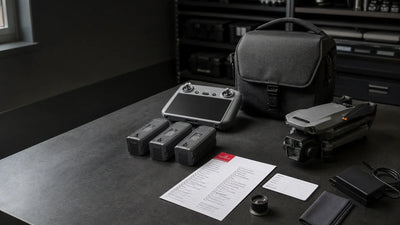
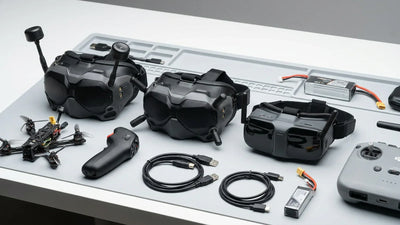
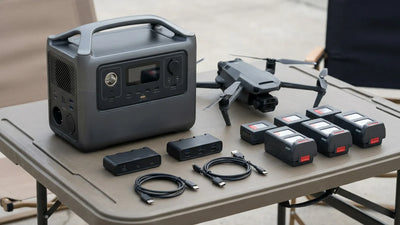
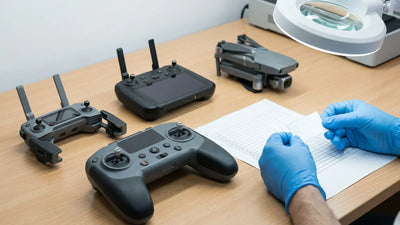
כלי טיס, בקר, מצלמה, סוללות, אביזרים, תיעוד סדרתי וראיות מצב
איזה ציוד נמצא בבדיקה
פלט עבור יחידה או תצורה אחרת
ההקשר הנוכחי של האתר
איש קשר אחראי לבעלים או למנהל, גישה לגג, הקשר אנשים, תנאי הסביבה ומידע על הפרויקט הנוכחי
אילו שאלות באתר זקוקות לאישור עדכני
הרשאה או התאמה מדוגמה קודמת
תנאים שנצפו
תאריך, תנאים, תצפיות באתר ורישום החלטות אחראיות
מה נצפה עבור הפרויקט בפועל
תוצאה עתידית של רוח, יציבות או איכות תמונה
חזרה קרקעית
תוכנית מצלמות קרקע, שיטת גישה, דרישות ראיות לקוח ורישום חריגים
כיצד הפרויקט יכול להמשיך ללא האלמנט האווירי
שניתן לזהות כל פגם
מדוע תצפיות הרוח צריכות לתמוך בהחלטה במקום להבטיח תוצאת ייצוב?
תנאי הרוח והגג משתנים לפי אתר וזמן. תצפית מתוארכת יכולה לעזור לצוות האחראי להחליט אם להשהות, להשתמש בשיטת ראיה אחרת או לחפש הערכה מוסמכת. זה לא יכול להוכיח שה-Mini 4K המדויק יהיה מתאים, יציב או מסוגל ללכוד תכונת גג מסוימת עבור פרויקט מאוחר יותר.
כיצד על צוות להפוך את הסקירה לתוכנית פעולה?
פעולה
מה לשמור
1. הגדירו את ראיות הבדיקה
רשום את שטחי הגג, שאלות הלקוח, התצפיות המיועדות, אילוצי הגישה וחלופת הקרקע.
2. תיעד את הערכה המדויקת
שמור את המטוס, הבקר, המצלמה, הסוללות, האביזרים, התיעוד הסדרתי וראיות המצב ביחד.
3. אשר את ההקשר הנוכחי של האתר
השתמש בקשר הנכס האחראי ובמסלול הפרויקט המקומי הנוכחי עבור ההקשר של הגג והאנשים בפועל.
4. רשום תנאים שנצפו
שמור רישום מצב מתוארך ואת החלטת הצוות האחראי במקום להסתמך על בדיקה קודמת.
5. שימרו את הראיות הנלוות
תעד את שיטת הקרקע, מסירת הלקוח וכל רשומת חריגה עבור תיק הבדיקה.