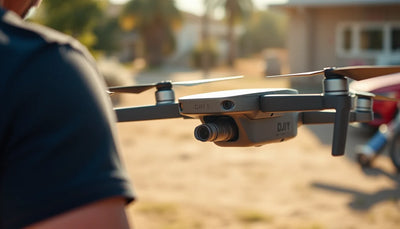
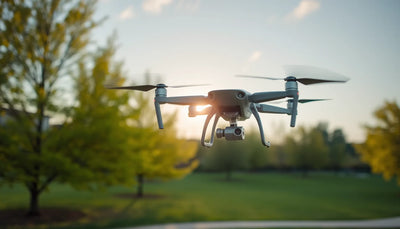
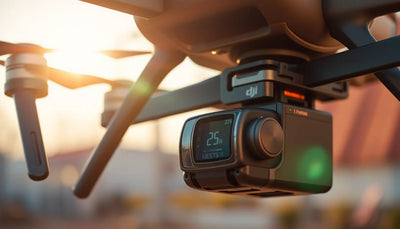
תקציר נכס, ערכת Mini 3, אתר, ציפיות הלקוח וכל אלמנט אווירי הם החלטות נפרדות. התחל עם הציוד הניתן לנדל"ן ומתועד, ולאחר מכן השתמש ב-SACAA הנוכחי ובמסלול האחראי על האתר עבור הפרויקט הספציפי במקום להתייחס לסיכום כללים ישן כאישור.
מה צריך צוות צילום נכסים להקים לפני תכנון פרויקט DJI Mini 3 בדרום אפריקה?
שכבת החלטה
ראיות לשמירה
מה זה יכול לקבוע
מה היא לא יכולה לקבוע
מתן לקוח
תקציר נכס, תמונות או וידאו נדרשים, יצירת קשר עם הלקוח, תאריך אספקה וחלופת מצלמה קרקעית
מה הלקוח צריך
חומר אווירי נדרש עבור כל מוצר
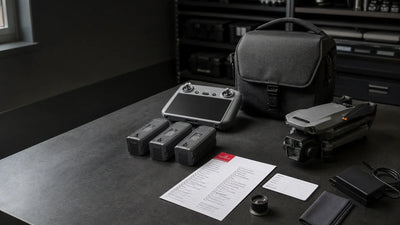
ערכת Mini 3 מדויקת
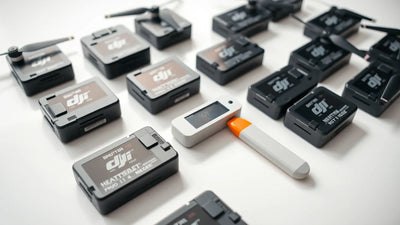
כלי טיס, בקר, סוללות, אביזרים, ראיות סדרתיות ורישום מצב
איזה ציוד מוצע
יכולת או טיפול של תצורה אחרת
הקשר האתר
יצירת קשר עם נכס, גישה לאתר, הקשר של אנשים, שיקולים סמוכים ומידע עדכני באתר
אילו שאלות באתר זקוקות לבדיקה
גישה מבוססת על מאמר גנרי
מסלול הפרויקט הנוכחי
SACAA עדכני ומידע רלוונטי של הצד האחראי לפעילות בפועל
אילו שאלות רשמיות ואתר דורשות אישור עדכני
תוצאת הרשאה, עיתוי או שירות
שיא מסירה
תקציר הפרויקט, עדויות לציוד, תגובות עדכניות והעברת לקוח מתועדת
מה הצוות בדק
ערובה לקבלת הלקוח
מדוע תקציר הנכסים צריך לבוא לפני בחירת הדגם?
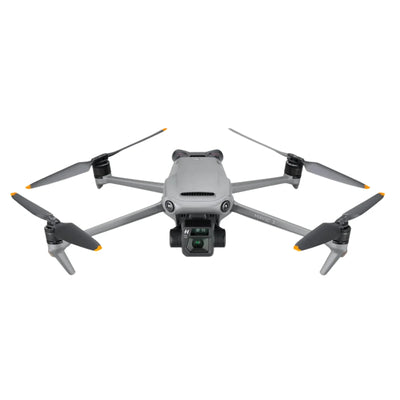
Mini 3 יכול להיות אפשרות מתועדת אחת, אך שם הדגם אינו מגדיר את הפרויקט. תוצר הלקוח, הקשר הנכס, ערכה מדויקת, הצדדים האחראים והמסלול הנוכחי קובעים מה יש לאשר. בריף ברור משמר גם אלטרנטיבה של מצלמה קרקעית כשהיא משרתת בצורה הטובה ביותר את האתר או הלקוח.
כיצד על צוות להפוך את הסקירה לתוכנית פעולה?
פעולה
מה לשמור
1. ללכוד את תקציר הנכס
הקלט את התוצר הנדרש, איש קשר עם הלקוח, הקשר נכס, תאריכים ואלטרנטיבה של מצלמה קרקעית.
2. זהה את הערכה המדויקת
שמור מטוסים, בקר, סוללות, אביזרים, ראיות סדרתיות ותיעוד מצב ביחד.
3. אשר את הקשר האתר
בדוק את הגישה, הקשר האנשים והמידע העדכני עם איש הקשר האחראי על הנכס.
4. השתמש במסלול הנוכחי
אשר את ה-SACAA הנוכחי ואת מסלול האתר הרלוונטי עבור הפעילות המוצעת לפני תזמון אלמנט אווירי.
5. שמור את קובץ הפרויקט
שמור את התקציר, עדויות הציוד, התגובות העדכניות ואת מסירת הלקוח הסופי ביחד.