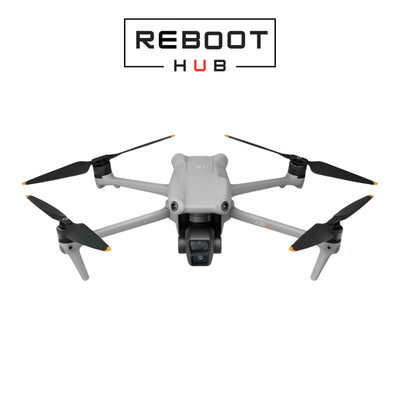
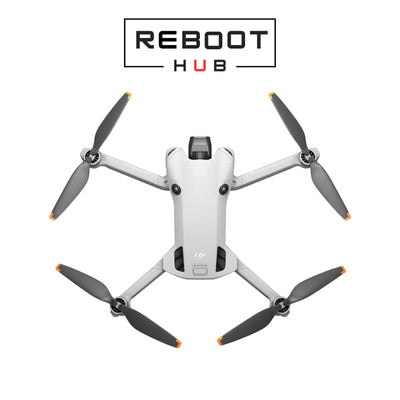
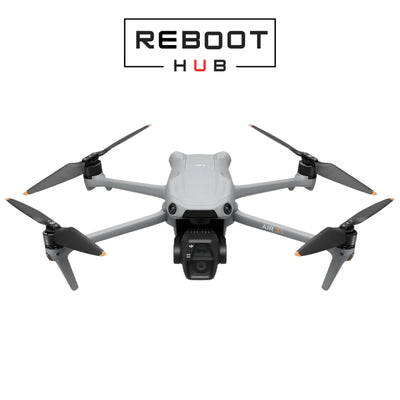
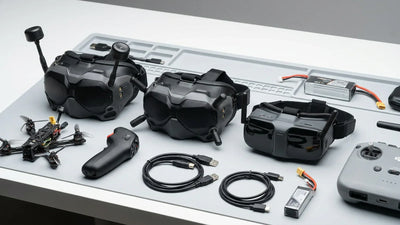
תקציר התקדמות הבנייה, מטוס, פלטפורמת נתונים ותוואי אתר עונים על שאלות שונות. תחילה הגדר את הערכה המדויקת של הפרויקט, ולאחר מכן קבל אישור עדכני מהאתר האחראי, מהנתונים ומהגורמים המקומיים במקום להסתמך על דיוק היסטורי, רישיון, מחיר או תביעות מסירה.
מה צריך צוות בנייה בבריטניה לקבוע לפני השימוש בציוד DJI ללכידת התקדמות?
שכבת החלטה
ראיות לשמירה
מה זה יכול לקבוע
מה היא לא יכולה לקבוע
פלט הפרויקט
תצוגות נדרשות, אבני דרך, אזורי אתר, פורמט מסירת לקוח וחלופת קרקע
מה הפרויקט צריך לספק
שתמיד נדרש אלמנט אווירי
ערכה מדויקת
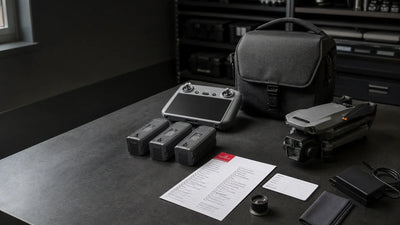
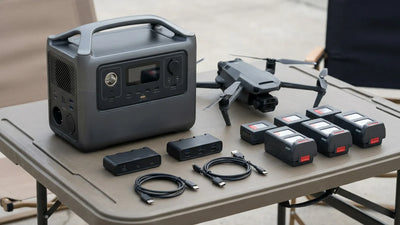
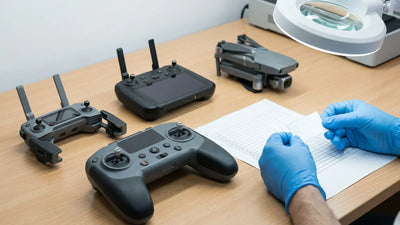
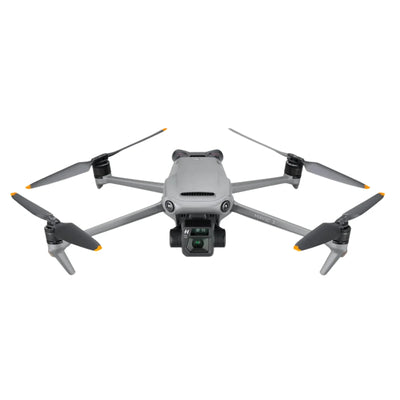
כלי טיס, בקר, מצלמה, סוללות, אביזרים, תיעוד סדרתי וראיות מצב
איזו מערכת סיפקה הצוות בודק
תוצאות עבור תצורה אחרת
נתיב נתונים
שיטת לכידה מוצעת, שם תוכנה או שירות, פלט לדוגמה ותנאי ספק נוכחיים
מה הצוות יכול לבדוק לפני שהוא מתחייב
תוצאת תאימות, דיוק או רישיון קבועה
תוואי האתר
קשר אחראי לאתר, תנאי גישה, הקשר אנשים והגבלות פרויקט נוכחיות
אילו שאלות באתר זקוקות לאישור עדכני
הרשאה מבוססת על מאמר גנרי
שיא מסירה
תקציר לכידה, קובץ ראיות, מסירת לקוח, תצפיות וחזרה קרקעית
מה הצוות תיעד עבור הפרויקט הזה
תוצאה עבור אתר או תאריך אחר
מדוע יש לסקור בנפרד את תדריך האתר ואת מסירת הנתונים?
פלטפורמת נתונים יכולה לתאר את השירות הנוכחי שלה וניתן להעריך מטוס מול משימת הלכידה המוצהרת. אף אחד מהם אינו מחליף את הסקירה הספציפית לאתר או את הסכם מסירת הלקוח. הפרדתן מאפשרת לבדוק את נתיב הנתונים המיועד תוך שמירה על חלופה מבוססת קרקע כאשר עדויות הפרויקט משתנות.
כיצד על צוות להפוך את הסקירה לתוכנית פעולה?
פעולה
מה לשמור
1. הגדר את פלט ההתקדמות הנדרש
רשום את המיקומים, התצוגות, אבני הדרך, מסירת הלקוח וחלופת הקרקע.
2. תיעוד ערכת הלכידה המדויקת
שמור את המטוס, הבקר, המצלמה, הסוללות, האביזרים, התיעוד הסדרתי וראיות המצב ביחד.
3. בדוק את נתיב הנתונים המוצע
סקור את מידע הספק הנוכחי ופלט לדוגמה עבור הפרויקט המוצהר במקום להניח תוצאה.
4. אשר את מסלול האתר הנוכחי
השתמש באתר האחראי ובמסלול המקומי הרלוונטי עבור המיקום בפועל, הקשר האנשים והפעילות המוצעת.
5. שימרו את רישום המסירה
שמור את התמצית, ללכוד ראיות, מסירת הלקוח וכל חלופה קרקעית עם תיק הפרויקט.