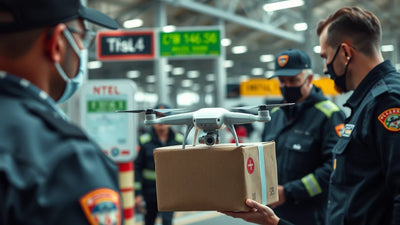
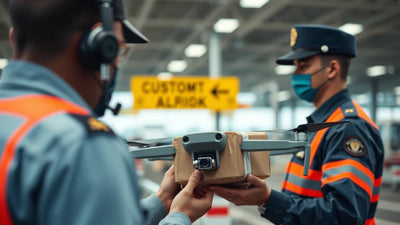
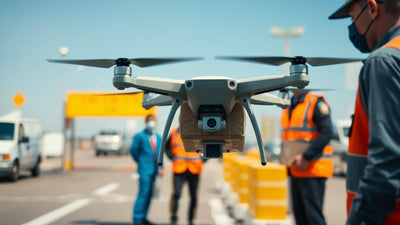
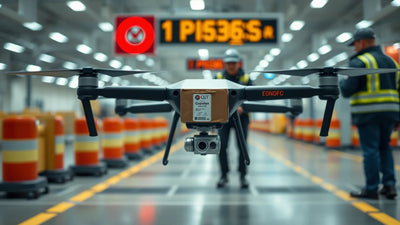
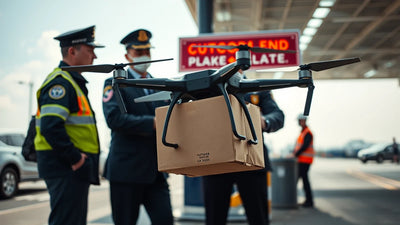
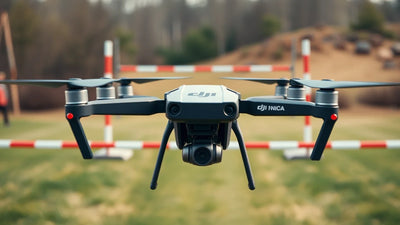
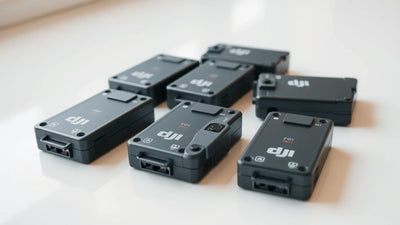
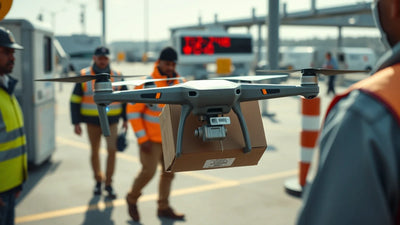
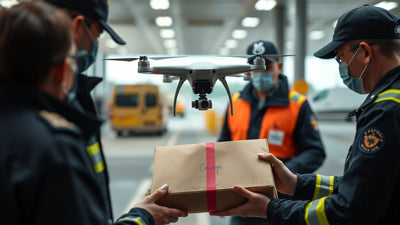
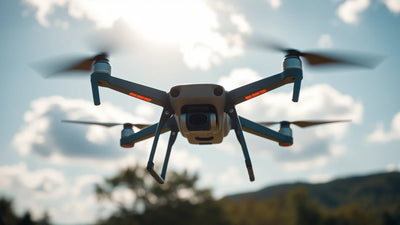
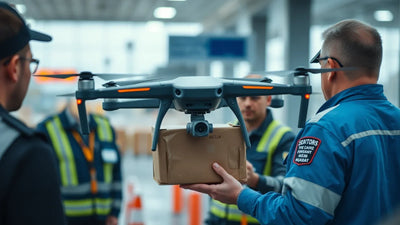
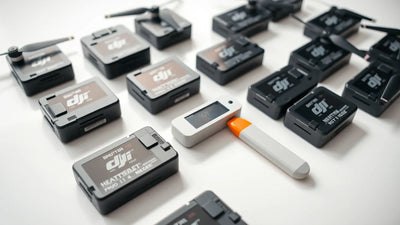
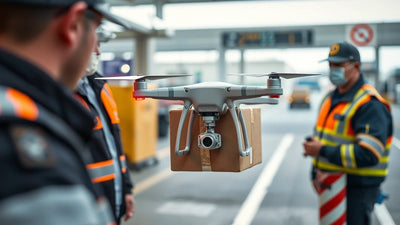
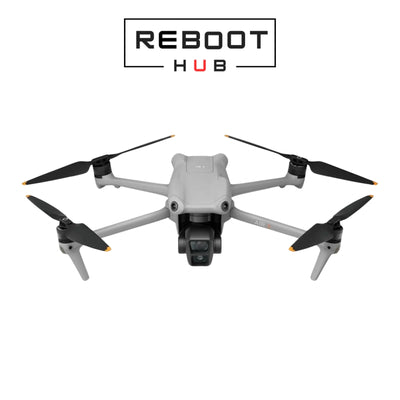
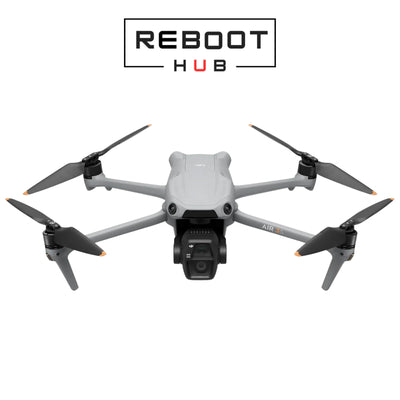
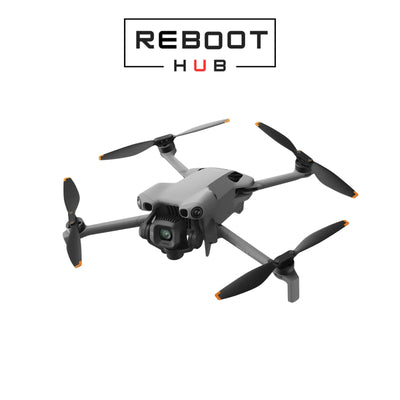
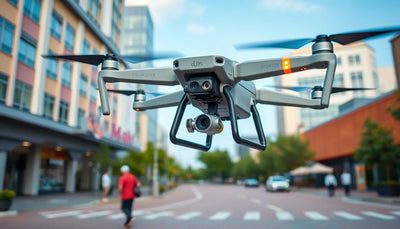
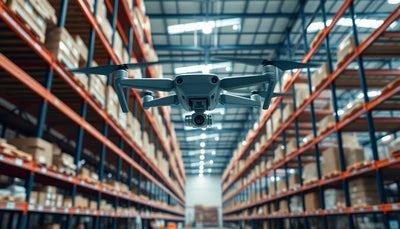
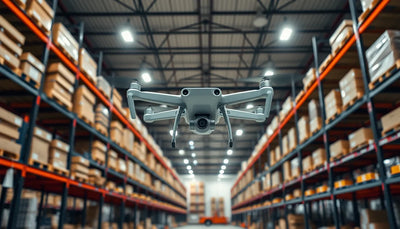
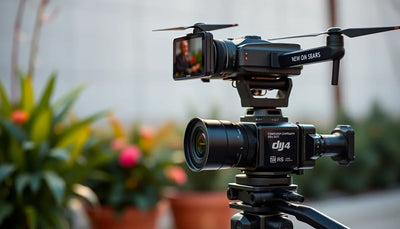
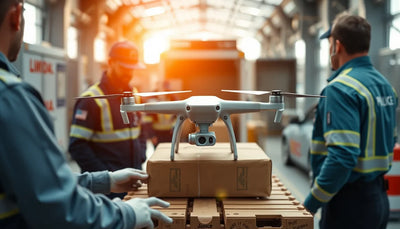
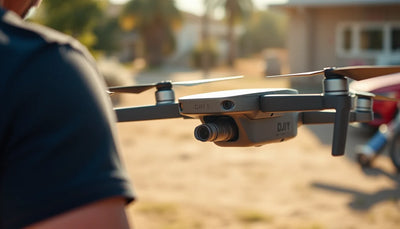
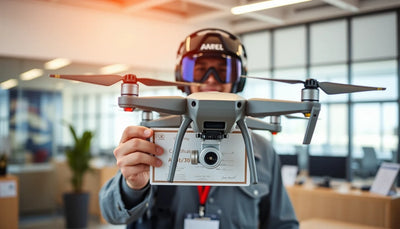
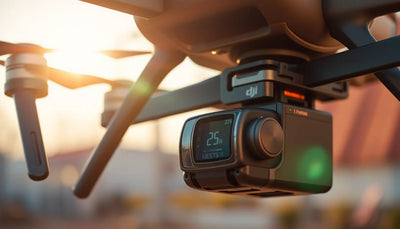
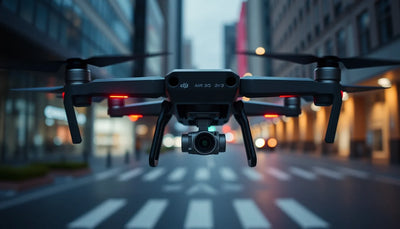
תווית הימנעות ממכשולים, אתר תעשייתי ובקשה לבדיקה בשטח סגור הם תשומות נפרדות. צוות צריך להגדיר את הראיות הדרושות, את ערכת ה-Air 3S המדויקת, את מסלול אתר העבודה האחראי ולבחון קריטריונים לפני שמתייחסים לתיאור מטוס צרכני כמסקנה לגבי אזור עבודה בסיכון גבוה.
מה צריך צוות לקבוע לפני שהוא שוקל Air 3S לבדיקה בשטח סגור?
שכבת החלטה
ראיות לשמירה
מה זה יכול לקבוע
מה היא לא יכולה לקבוע
תקציר בדיקה
שאלת נכס, ראיות נדרשות, קשר אחראי באתר העבודה, הקשר של אנשים ותחליף מבוסס
מה צריכה הבדיקה לענות
שתווית דגם מוכיחה התאמה לאזור העבודה
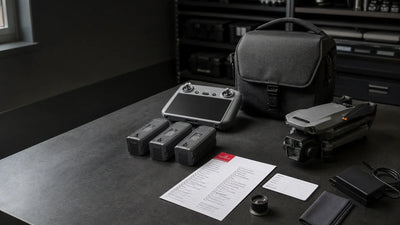
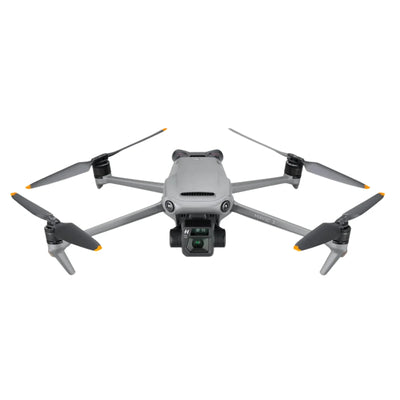
ערכת Air 3S מדויקת
כלי טיס, בקר, מצלמה, סוללות, אביזרים, תיעוד סדרתי ומצב
איזו מערכת בודדת מוצעת
תוצאה עבור תצורה אחרת
סקירת אתר
תוואי אתר אחראי, גבולות גישה, תנאים עדכניים ותגובה בכתב
אילו שאלות באתר עבודה דורשות אישור
גישה מבוססת על דוגמה תעשייתית רחבה
סקירה לדוגמה
תפוקות נציג, מגבלות וקריטריונים לביקורת עבור המשימה המוצהרת
מה מייצרת שיטת הבדיקה המוצעת עבור השאלה המוגדרת
ערובה לבדיקה בטוחה או מלאה
המסלול הרשמי הנוכחי
מידע רשמי עדכני ומיקום עבור הפעילות המוצעת
אילו שאלות הפעלה זקוקות לאישור עדכני
תוצאה קבועה של הרשאה, בטיחות או ביטוח
מדוע צריך צוות בדיקה להתחיל בשאלת מקום העבודה ולא בטענת חיישנים?
אתר עבודה בסיכון גבוה צריך רישום החלטות ספציפי לפרויקט. הערכה המדויקת וסקירה מייצגת יכולים לעזור להראות מה מייצרת שיטת בדיקה מוצעת עבור המשימה המוצהרת. הם אינם מחליפים את תהליך אתר העבודה האחראי, מידע מיקום נוכחי או שיטה מקורקעת כאשר המטוס המוצע אינו עומד בדרישות הראיות של הפרויקט.
כיצד על צוות להפוך את הסקירה לתוכנית פעולה?
פעולה
מה לשמור
1. הגדירו את שאלת הבדיקה
רשמו את שאלת הנכס, הראיות הנדרשות, איש קשר אחראי באתר העבודה, הקשר האנשים והחלופה המבוססת.