צילומי מזל"ט לימה: DGAC תכנון משימה
תקציר תכנון צילום נכסים בלימה
תשובה מהירה
- רישום נכס אינו יוצר תשובה אוניברסלית של מזל"ט. התחל עם האתר האמיתי, המטוס, המפעיל, מטרת הלקוח, האנשים בקרבת מקום ומסלול התעופה הנוכחי של פרו עבור משימה זו.
- אין לתזמן צילום נכס סביב תשלום שהועתק, ציר זמן אימון, חריג משקל, סכום ביטוח, קנס או תביעת דגם. פרטים אלה יכולים לשנות או לתאר פעולה אחרת.
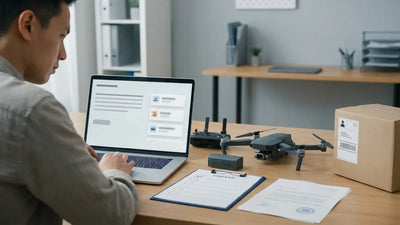
- בנו קובץ משימה אחד לפני רכישה או הקצאת ציוד: תקציר נכס, אזור שיגור והתאוששות, מסגרות מתוכננות, מפעיל, מטוס, בקר, סוללות, סדרתי, שיא מוכר וחלופת מצלמה קרקעית.
- גישת לקוחות, שאלות תעופה, ביטוח, יבוא ומצב ציוד קשורות אך נפרדות. תשובה חיובית בשכבה אחת אינה מיישבת את האחרים.

מה שייך לתיק החלטה על צילום רכוש בלימה?
| שכבת החלטה | עדות להכנה | שאלה שהיא תומכת בה | אל תתייחס לזה כאל |
|---|---|---|---|
| שליחות רכוש | כתובת, יעד הלקוח, מסגרות מתוכננות, אזור השקה ואנשים בקרבת מקום | איזו עבודה מוצעת בפועל | צילום נדל"ן גנרי |
| מטוס ומפעיל | מטוס בפועל, בקר, סוללות, מפעיל וסדרתי | באיזה ציוד ואדם מדובר | פרסומת למשפחת דוגמניות |
| מסלול נוכחי | עובדות משימה ושאלות עדכניות עבור MTC או DGAC | אילו דרישות חלות כעת | הערכה מקוונת ישנה |
| לקוח וביטוח | קשר נכס, תוכנית הסכמה ונוסח כריכה עדכני | מי מקבל את העבודה המוצעת | הבטחת מוכר |
| מסלול רכישה | זהות המוכר, חשבונית, תשלום, מצב וראיות לפעולה רגילה | האם הערכה המדויקת מתועדת | תצלום מלאי |

מדוע צילומי רכוש צריכים להתחיל עם המשימה האמיתית?
הקצאת נכס מוגדרת על ידי יותר ממזל"ט מצלמה. הכתובת, אזור ההשקה וההתאוששות, המסגרות הרצויות, האנשים שעשויים להיות בקרבת מקום, ציפיות הלקוח והאחראי לעבודה משפיעים על השאלה שצריכה להישאל. ביטוי רישיון רחב לא יכול להכריע בבטחה כל עבודה בנכס.
כתוב את הבריף בשפה פשוטה לפני בחירת דגם או ספק. זהה מה הלקוח צריך להראות, האם רצף מצלמות קרקע יכול לעמוד ביעד זה ואילו מסגרות אוויר נחוצות באמת. זה יוצר רשומת פרויקט שימושית ולא הבטחה המבוססת על תוצאת חיפוש.
אילו רישומים צריכים להישאר עם המטוס?
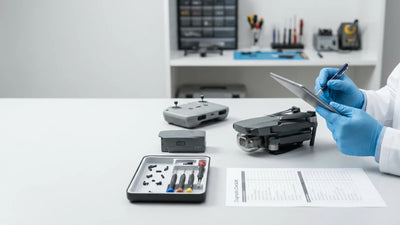
שמור את המטוס בפועל, הבקר, הסוללות, האביזרים, המצב הסדרתי, הנראה לעין, זהות המוכר, החשבונית, נתיב התשלום והיסטוריית התיקונים הידועה ביחד. ערכת יד שנייה חזקה יותר כאשר ניתן להדגים את אותו ציוד מתועד בפעולה רגילה לפני תכנון ההקצאה.
רישומת המפעיל זקוקה לטיפול שווה. שמור את המפעיל הנקוב, תפקיד הפרויקט, איש הקשר עם הלקוח וקובץ המשימה הנוכחי ביחד. אם המיקום, הלקוח, המטוס או הפעילות המתוכננת משתנים, הצוות יכול לראות איזו החלטה צריך לעבור מחדש במקום להתייחס לעבודה קודמת כתשובה גורפת.
- התאם את המטוס, הבקר והסוללות לרשומה של הרכישה.
- הקלט את איש הקשר בנכס ואת האדם שיכול להשהות את הצילום.
- שמור על חלופה של מצלמה קרקעית עבור אותה מטרה של הלקוח.
- תאר את המשימה האמיתית לפני שתשאל על המסלול הנוכחי.

כיצד יש להשתמש בנתיב התעופה הנוכחי של פרו?
השתמש בחומר MTC ו-DGAC הנוכחי עבור מטוסים מנוהלים מרחוק, ולאחר מכן ספק את עובדות המשימה בפועל לנתיב האחראי. האתר, המפעיל, הציוד, הפעילות המתוכננת והאנשים בקרבת מקום שימושיים יותר מאשר טענה מועתקת לגבי מחיר, תעודה, חריגה או קטגוריית דגם.
שמור את התגובה המתקבלת עם הנכס קצר. המשימה יכולה להשתנות כאשר לקוח מעביר את הפגישה, מוסיף אנשים, משנה את המיקום או מבקש מסגרת אחרת. קובץ החלטות נוכחי עוזר לצוות לזהות את השינוי הזה לפני שהתפקיד הופך להבטחה לא נתמכת.
מה צריכים גישה ללקוח וביטוח לפתור?
הסכמת הלקוח וגישה לנכס צריכות להסביר היכן הצוות עשוי לעבוד, מה יתועד ומה קורה אם רצף האוויר מושהה. הסדרים אלו תומכים בתפקיד, אך אינם מחליפים את ההחלטה האווירית למשימה האמיתית.
יש לקרוא את הביטוח כנגד המפעיל, כלי הטיס, הרכוש והפעילות המוצעת בפועל. שאל את הספק הנוכחי או המסלול המתאים כאשר הכיסוי אינו ודאי, ושמור את התגובה עם קובץ המשימה. תווית פרמיה גנרית או פוליסה אינה קובעת כיסוי לפרויקט אחר.

כיצד צריך קונה לבחור את הערכה המתועדת?
בחר את הערכה לאחר הבנת משימת הנכס. השתמש ב-Drone Wiki להקשר של הדגם, ולאחר מכן בדוק את המטוס, הבקר, הסוללות, האביזרים, הסדרתי, מצבו ושביל המוכר בפועל. הרכישה החזקה יותר היא ערכה מתועדת שמתאימה לעבודה המתוכננת, לא הצעה שמבטיחה אישור או תוצאת מסירה מסוימת.
השתמש ברכזת תרחיש הכללים כדי לארגן את השאלה הבאה ואת משאבי המוכר כדי להעריך את היחידה המדויקת לפני התשלום. אם תיעוד הפרויקט אינו שלם, שמרו על חלופת המצלמה הקרקעית ודחו את ההתחייבות מהאוויר עד שהעובדות יהיו ברורות.
השתמש ב-Drone Wikiלהקשר של מודל ותאימות, ואז חזור לנתיב הפעולה שלמעלה.
תעודת משלוח Reboot Hub
משלוח DDP סטנדרטי של Reboot Hub חל על הזמנות ויעדים לשימוש אישי כשירות המוצגות בקופה, אלא אם כן מתשלום או אישור בכתב מציינים אחרת. אין להתייחס לרכישת צי, עסק או פרויקט כאל DDP באופן אוטומטי: אשר את התנאים הכתובים לעסקה בפועל לפני ההנחה כיצד יטופלו המכסים או המסים. מידע מדויק על נמען ויבואן עדיין נדרש היכן שהיעד או המוביל מבקש זאת. קרא את הנוכחימדיניות משלוחוהשתמש בקופה או באישור בכתב עבור ההזמנה המוצעת.
Keep exploring
Further reading
From ה-Reboot Hub Chronicle


From מדריכי מזל"ט