תסקיר החלטה על יבוא מקסיקו והוכחות למוכר
תשובה מהירה
- אין להתייחס להודעת מוכר, לרשימת מוצר או לתמונת תעודה גנרית כהוכחה לכך שניתן לייבא, למסור או להשתמש ברחפן מסוג DJI לפעילות מתוכננת במקסיקו.
- הפרד את החלטת הרכישה לארבעה קבצים: היחידה המדויקת והמוכר, הרשומה המסחרית, רשומת המשלוח ושאלות הייבוא או הרדיו עבור הרשות המקסיקנית האחראית או המתווך המוסמך.
- שאל את הגורם האחראי על המשלוח אילו מסמכים חלים על הפריט, המסלול והיבואן המדויק. שמור את התשובה עם החשבונית במקום להסתמך על תביעה כללית באינטרנט.
- אם המוכר אינו יכול לזהות את היחידה, את תפקיד המשלוח או את הנתיב התיעודי, השהה את התשלום ובחר מסלול שניתן להוכיח לפני המשלוח.

מה צריך קונה לקבוע לפני הזמנת מזל"ט מסין למקסיקו?
| שכבת החלטה | עדויות לאיסוף | פעולת הקונה | אל תניח |
|---|---|---|---|
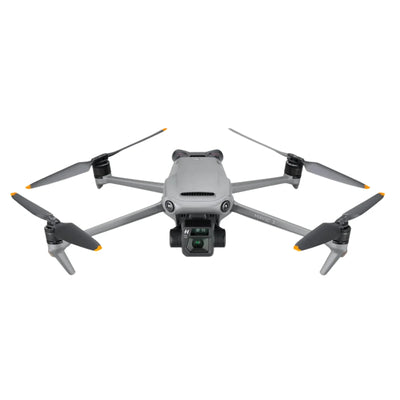
| יחידה מדויקת | דגם, סדרתי, בקר, סוללות, אביזרים כלולים ווידאו במצב הנוכחי | התאימו את הראיות לפריט המדויק המוצע | כותרת רישום מזהה את היחידה בתיבה |
| מוכר ותשלום | זהות המוכר, פרטי החשבונית, רשומת התשלומים והיסטוריית התקשורת | שמור תיק ראיות בודד לפני העברת כספים | פרופיל שוק מסדיר אחריות |
| תפקיד משלוח | מי מארגן יצוא, הובלה, פינוי ומסירה סופית | בקשו מכל צד לציין את תפקידו בכתב | ביטוי משלוח אחד מסביר כל מסירה |
| שאלות יבוא ורדיו | תיאור המוצר המדויק, היעד, פרטי היבואן והמסלול | שאל את הרשות המקסיקנית האחראית או המתווך המוסמך לגבי המסלול הנוכחי | תמונת תעודה חלה על כל דגם או משלוח |
| סתירה | הזמנה מאוחרת, אופציה מקומית או נתיב אספקה מתועד אחר | שמור על הפסקה או נתיב חלופי לפני השיגור | לא ניתן להשהות הזמנה בתשלום כאשר הראיות אינן שלמות |

מה בעצם הקונה מחליט לפני ההזמנה למקסיקו?
ההחלטה אינה האם דגם DJI גנרי נסע אי פעם למקסיקו. זה האם ניתן לתאר את המטוס המדויק, ציוד הרדיו, הסוללות, המוכר, היבואן ומסלול המשלוח בצורה מספיק טובה כדי שהקונה יקבל החלטת רכישה ברת הגנה. בקר אחר, ערכת סוללות, יבואן מוצהר או נתיב שליח יכול לשנות את השאלות שצריכות תשובה.
התחל עם העבודה או השימוש האישי שהוביל לרכישה. אם לקוח, מתקן, מבטח או כלל מקומי יוצרים תנאי, הקלט אותו בנפרד משיחת המכירה. קובץ ייבוא ותוכנית הפעלה עונים על שאלות שונות, ואין להסיק מהם מפירוט מוצר.
אילו רישומי מוכר שייכים לתיק ראיות הקונה?
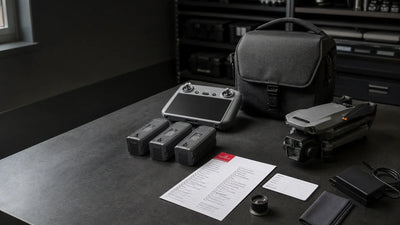
בקש הוכחה לערכת ה-יד שנייה בפועל: המטוס, הבקר, הסוללות, ציוד הטעינה, המצב הטורי, הנראה לעין והאביזרים הכלולים. הדגמה מתמשכת של פעולה רגילה יכולה לעזור לחשוף ערכה לא תואמת או טענה שאינה נתמכת, אך היא אינה מחליפה תשובת ייבוא מהגורם האחראי.
שמור את זהות המוכר, החשבונית, תיאור הפריט, רשומת התשלום, גילוי המצב ותנאי המשלוח המוסכמים יחדיו. היכן שמוכר אומר שמסמך ילווה את המשלוח, שאלו מה המסמך מזהה ומי הוציא אותו. תמונה חתוכה ללא הקשר של המוצר, המסלול או המחזיק אינה רשומת קונה מלאה.

אילו שאלות יבוא ורדיו מקסיקו זקוקות לתשובה עדכנית?
שאל את הרשות המקסיקנית האחראית או מתווך מוסמך לגבי הפריט המדויק, ציוד הרדיו שלו, הסוללות, היבואן המוצהר ומסלול המשלוח שלו. בקשו מהמוכר או מהספק להסביר אילו מסמכים הם יספקו ואילו חלקים בתהליך נשארים אצל הקונה. התשובה צריכה להיות עדכנית, ספציפית למשלוח ולהישמר עם קובץ הרכישה.
אין להפוך מאמר כללי לקביעת מכס או תקשורת. דרישות, סיווגים, עמלות, כללי הספק ונתיבים לאישור יכולים להיות תלויים בעובדות שאינן גלויות ברישום. התוצאה השימושית היא שובל שאלות ותשובות מתועד לפני התשלום, לא הבטחה שאולה שמסמך אחד מסדיר כל מקרה.
- זהה את תצורת המטוס, הבקר והסוללה המדויקת לפני ששואלים שאלה.
- ציינו אם הקונה הוא היבואן או שגורם אחר ממלא תפקיד זה.
- שמור את רישומי המוצר, החשבוניות והמשלוח ביחד במקום בצ'אטים נפרדים.
- רשום מה נותר לא פתור ומי אחראי לענות על כך.
כיצד יש להפריד בין רישומי משלוח ומשלוח לבין תביעות משפטיות?
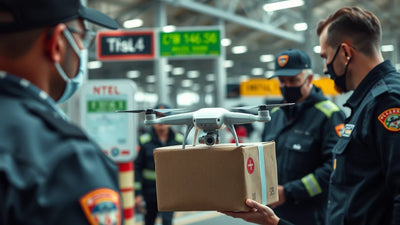
תווית משלוח, דף מעקב או ביטוי מסירה יכולים להראות חלק מתוכנית לוגיסטית. זה לא מוכיח כשלעצמו טיפול מכס, אישור רדיו, טיפול מס, עיתוי מסירה סופי או זכות להשתמש במטוס לפעילות מסוימת. התייחסו לאלו כשאלות נפרדות לגורם האחראי ולמסלול בפועל.
לפני המשלוח, בקשו תיאור כתוב של תפקידי המוכר, המוביל והקונה. שמרו את החשבונית וכל תקשורת לפני משלוח עם רשומת ההזמנה. אם מוכר אינו יכול להסביר את פיצול התפקידים מבלי להסתמך על הבטחות רחבות, השתמש בהחזר במקום לנסות לתקן הסדר לא ברור לאחר העברת המשלוח.

למה אין להתייחס כהוכחה לרכישה מסין למקסיקו?
הימנע מלהתייחס לצילום מסך של קונה אחר, לדף דגם גנרי, טענה לגבי מסלול אחר או הצהרה רחבה לגבי הסמכה כהוכחה להזמנה זו. חומרים אלה יכולים לעזור לקונה ליצור שאלות טובות יותר, אך הם אינם מזהים את הסדרתי, היבואן, ההצהרה או היעד המדויק בעסקה המוצעת.
אותו גבול חל על תביעת תנאי יד שנייה. הדגמה סדרתית וחיה יכולה לתמוך בתיק הראיות של היחידה; הם אינם עונים על שאלות מכס, רכוש, ביטוח או תפעול. שמור כל טענה בתיק שיכולה למעשה לתמוך בה.
מתי עדיף להשהות או לבחור במסלול רכישה אחר?
השהה כאשר המוכר אינו יכול להתאים ראיות לערכה המדויקת, הרישום המסחרי אינו מתאר את הסחורה בצורה ברורה, או בעל המסלול אינו יכול להסביר מי עונה על שאלות יבוא. הפסקה מגינה על הקונה מלשלם עבור בעיה שניתן לגלות רק לאחר השליחה.
חלופה עשויה להיות יחידת יד שנייה מתועדת, אפשרות אספקה מקומית או רכישה מאוחרת יותר לאחר שהרשות האחראית או המתווך ענו על השאלות עבור המסלול בפועל. המטרה היא לא לכפות כל רכישה דרך נתיב אחד. זה כדי להשאיר את הקונה מסוגל לבחור מסלול הנתמך בראיות.
כיצד משאבי Reboot Hub תומכים בהחלטה זו?
השתמש במדריך המוכר והסדרתי כדי לבנות את קובץ הראיות ליחידה, ולאחר מכן השתמש במוקדי המכס והסיכון של הקונה כדי להפריד בין שאלות משלוח לשאלות יבוא רחבות יותר. משאבי ה-Drone Wiki ומשאבי ההשוואה עוזרים לקונה לזהות את משפחת הדגמים; הם לא קובעים קביעת ייבוא להזמנה אישית.
עדיין יש להעריך רכישה מתועדת של יד שנייה מול השימוש המיועד ונתיב המשלוח. התוצאה החזקה ביותר היא רשומת קונים שמסבירה את היחידה, המוכר, התשלום והשאלות הפתוחות בצורה ברורה מספיק כדי שהקונה יוכל לפעול או לעצור בביטחון.
השתמש בDrone Wikiלהקשר של מודל ותאימות, ואז חזור לנתיב הפעולה שלמעלה.
Keep exploring
Further reading
From ה-Reboot Hub Chronicle
From מדריכי מזל"ט