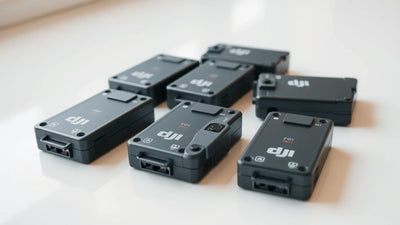
מידע על מחזור הסוללה יכול להיות שימושי, אבל הוא רק חלק אחד מקובץ רכישה של יחידה מדויקת. קונה דובאי צריך לחבר את מידע הסוללה המוצג למטוס המוצע, המטוסים הסדרתיים, המצב הפיזי, זהות המוכר, התנאים הכתובים ורשומת התשלום לפני העברת הכסף.
מה צריך קונה בדובאי לקבוע כאשר מוכר מציג מידע על סוללה משומשת DJI?
שכבת החלטה
עדות לשמירה
מה זה יכול לקבוע
מה היא לא יכולה לקבוע
יחידה מדויקת
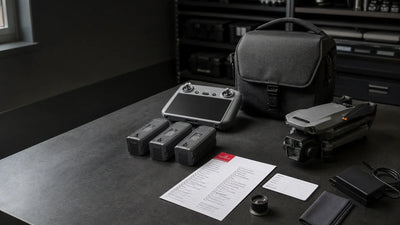
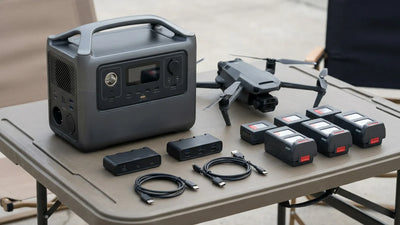
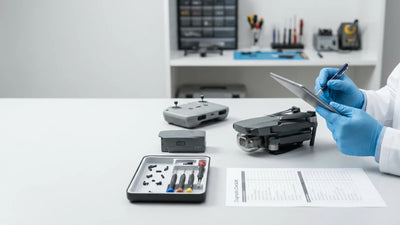
מטוס, בקר, כל סוללה, סדרות, אביזרים, תמונות מצב ורישום פריטים מסופקים
איזו ערכה פיזית המוכר מציע
שלרישום אחר יש את אותה היסטוריה
עדות חיה
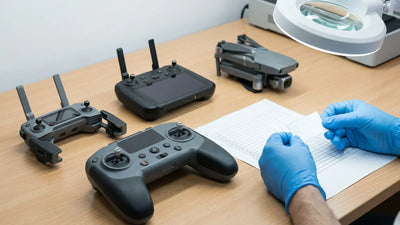
תצוגה בזמן אמת של הערכה המדויקת, תוויות הסוללה, מצב גלוי ומידע רשמי המוצג ביחידה המוצעת
מה ניתן לראות באותו זמן
ערובה לגבי התנהגות סוללה עתידית
רשומת מוכר
זהות המוכר, עקבות החשבונית היכן שהיא זמינה, תנאים כתובים והוכחות שירות קודמות
מי עומד מאחורי ההצעה
שפרופיל גנרי מוכיח בעלות
קובץ תשלום ומשלוח
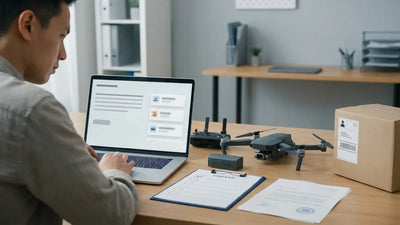
מסלול תשלום, פרטי נמען, חשבונית אמת, תנאי הספק ותוכנית קבלה
כיצד מתועדת העסקה האמורה
תוצאת מסירה או יבוא קבועה
גבול החלטה
שאלות שנותרו ללא מענה ואפשרות הליכה
האם די בראיות כדי להמשיך
שספירה נמוכה שמוצגת לבדה מוכיחה ערך
מדוע יש להתייחס למידע על מחזור הסוללה כראיה, לא כאל ערובה?
ערך סוללה המוצג אינו קובע כיצד הסוללה אוחסנה, נטענה, הובלה או השתמשו בו, והוא אינו יכול להחליף סקירת מצב מדויקת של היחידה. קונה מוגן טוב יותר על ידי קובץ ראיות עקבי וגבול החלטה ברור מאשר על ידי מספר בודד מרישום לא מאומת.
כיצד על צוות להפוך את הסקירה לתוכנית פעולה?
פעולה
מה לשמור
זהה את הערכה המדויקת
שמור מטוסים, בקר, סוללות, סדרות, אביזרים, תמונות מצב וראיות לפריטים שסופקו יחד.
צפו ביחידה המוצעת בשידור חי
בקש מהמוכר להציג את היחידה המדויקת, תוויות הסוללה, המצב הנראה לעין ומידע רשמי הזמין על אותה יחידה.
התאמת ראיות מוכר
חבר את זהות המוכר, מסלול החשבונית היכן שזמין, תנאים כתובים ורשומת הציוד בפועל.
הגן על רשומת העסקה
שמור את התשלום, הנמען, חשבונית אמת, תנאי הספק וקבלת ראיות ביחד.
השתמש בסף הליכה
אל תמשיך כאשר הערכה, המצב, המוכר או העסקה המדויקות לא תואמות.