支援與學習/模組 8 分支
症狀、證據與診斷
本課之前:在選擇下一步行動之前,請明確確切的模型、觀察到的情況以及客戶真正關心的問題。
你將會明白什麼
- 將可觀察的證據與一般產品聲明或未經檢驗的假設分開。
- 瞭解適用於確切飛機、狀況和預期用途的決策邊界。
- 繼續正確的學習分支或記錄的 Reboot Hub 操作路徑。
精確模型修復分支
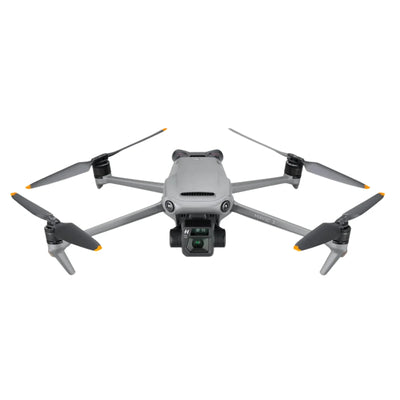
DJI Mini 3 Pro 維修從客戶實際擁有的飛機開始,而不是常見故障的通用列表。電源問題、警告、萬向節損壞、鏈路薄弱、懸停不穩定或圖像質量差可能會跨越多個系統。本指南將精確模型維修材料轉變為面向客戶的證據路徑:保留事件、分離故障域、僅批准書面範圍並要求在恢復服務之前完成飛機驗收。
快速解答
保留證據,識別確切的 Mini 3 Pro,然後一次隔離一個域
當碰撞、電瓶、液體、馬達或雲臺狀況可能不安全時,請保持飛行器關閉。記錄準確的 Mini 3 Pro、控制器、電池、充電器、警告文字、事件歷史記錄和原始媒體。然後,專業診斷會分離結構、動力、推進、相機萬向節、定位、感測和連結證據,然後再提出零件或維修等級。 Reboot Hub 記錄確認的發現、已知和未知的風險、零件來源、書面批准以及必須通過的分階段測試。
客戶行動前應先明確哪些證據?
該決定應如何維持證據約束?
修復前如何確認準確的DJI Mini 3 Pro?
診斷前請拍攝飛機標籤、控制器、電池、充電器、雲臺相機和隨附套件。 DJI Mini 3 和 DJI Mini 3 Pro 具有家族相似性,但精確型號的維修記錄不應依賴外殼形狀、市場名稱或賣家的記憶。相容的組件、控制器組合和維修證據必須與車間前面的裝置連接。
Mini 3 Pro 修復材料非常有用,因為它使飛機、控制器、萬向節、感測和電源領域保持清晰。它不是跨單位複製零件號或內部程序的許可。 Reboot Hub 使用模型限制的材料來提出更好的問題,然後報告客戶飛機上的實際證據,包括真正觀察到的任何可見零件版本或電路板修訂。

Mini 3 Pro通電或開啟前應記錄什麼?
從客戶的順序開始:飛機上次工作的時間、使用的控制器和電池、確切的應用程式訊息、故障是否持續、以及是否有任何碰撞、進水、儲存、過熱或之前的服務事件。保留原始照片或影片、可用的飛行證據以及所有臂、螺旋槳、馬達、接縫、電池艙、萬向節和感測區域的清晰外部記錄。陳述已經嘗試過的內容,而不是悄悄地重複它。
腫脹、洩漏、發熱、撞擊損壞或汙染的電池是停止使用的問題,而不是診斷工具。請勿打開它、充電或用它強制啟動。同樣,請勿強行轉動萬向節、旋轉阻抗馬達或重複通電嘗試來產生更明顯的故障。第一個有用的輸出是已知事實、安全邊界和未解答問題的書面基線。
為什麼 Mini 3 Pro 無啟動問題需要分層診斷?
無啟動症狀可能始於電池和終端邊界,然後涉及連接、推進電源路徑、核心處理或其他附加域。碰撞證據、液體、氣味、局部熱量、電池異常行為和控制器響應都會發生變化,這些檢查是安全且有意義的。它不負責根據一個 LED 模式或單一訊息將核心板標記為失敗。
專業服務遵循從安全、可觀察條件到相關模型特定電氣和功能邊界的證據。當準確的組裝、電路板修訂或測量結果得到確認後,可以將其記錄為案例層級證據。它不應該成為每個 Mini 3 Pro 的普遍主張。客戶可以看到什麼已經被證實,什麼仍然未知,以及在範圍擴大之前何時需要重新批准。

Mini 3 Pro 相機和雲臺問題該如何分離?
將儲存的檔案與即時取景分開。記錄原始錄製中是否出現模糊、影像暗、水平誤差、振動、顏色變化或間歇影像,僅在即時傳輸中、僅在雲臺運動期間或僅在撞擊後。在不強制軸的情況下觀察萬向節啟動和範圍,並僅在安全訪問邊界內檢查外部攝影機、萬向節支架和可見電纜區域。
Mini 3 Pro服務資料在建立相關證據後將雲臺和相機檢查視為針對特定型號的工作。 Reboot Hub 不會公開受控服務包或提供校準作為結構損壞或故障電氣路徑的治療方法。修復記錄列出了重現的行為、支援的測試邊界、批准的工作以及隨後必須通過的原始文件、範圍、儲存和即時查看結果。
感測和定位問題實際上證明瞭什麼?
涉及定位、高度、IMU、指南針、視覺或其他感測系統的警告需要記錄其方向、環境和事件歷史。合適的光線、地面紋理、幹擾和機身狀況都對負責任的解釋至關重要。在不合適的環境中觀察到的結果不會自動證明硬體故障,且完成的支援校準不會清除彎曲的臂、撞擊損壞的部件或不安全的螺旋槳。
因此,診斷將力學、現場條件、訊息和模型限制的系統證據分開。 Reboot Hub 說明瞭檢查的方向或領域、適用的條件以及證據可以合理支持的結論。客戶可以清楚地區分觀察到的限制、可重複的飛機問題和僅在受控檢查後才確認的組件。

控制器和圖像連結問題如何與飛機維修分開?
記錄飛行器是否有連結、是否有遙測、即時影像是否缺失或不穩定、搖桿、按鈕和螢幕行為是否正常。開放環境中的變化結果與固定天線、控制器或飛機問題不同。黑色影像也是如此:它可能是捕獲、萬向節、電纜、無線電、控制器或顯示證據,而不是相機感測器故障的自動證據。
仔細比較可以考慮飛機、控制器、電池和環境。 Reboot Hub 記錄了連接的內容、重複的行為、使用了哪些安全性比較以及仍然不確定的內容。這可以防止連結雙方在沒有證據的情況下被引用為可能的替代品,並為客戶選擇診斷範圍、維修或更換提供了誠實的基礎。
Mini 3 Pro什麼時候修復比更換更強?
當最初的關注點得到限制、機身俱有可靠的結構狀況、兼容部件路徑被記錄並且整架飛機能夠通過客戶實際需要的測試時,修復效果最強。當液體或熱量暴露範圍廣泛、多個高價值系統受到影響、結構存疑、無法驗證確切的相容路徑或最終驗收結果無法支持預期用途時,更換可能是更負責任的路徑。
Reboot Hub 從客戶的角度進行比較,並努力在批准之前消除所有合理的擔憂。我們展示確切的產品、狀況、所含設備、已知和未知的發現、零件來源、書面範圍、時間和條款。維修工作通常在報價批准後 1-3 個工作天內完成,具體取決於範圍、零件和測試。符合資格的維修工作享有 30 天的維修保固期;合格的完整 二手 產品具有單獨的 180 天產品保固。

修復後的 Mini 3 Pro 恢復使用前必須經過什麼步驟?
回傳服務記錄應將客戶最初的關注點與驗收證據連結起來。它可以包括物理狀況、螺旋槳和電機、電池和充電邊界、穩定啟動、熱行為、控制器鏈接、適當的警告、原始媒體、實時圖像、萬向節運動、存儲、相關感測行為以及僅在較早的門通過後受控懸停或飛行。確切的順序取決於工作和飛機的狀況。
最終結果絕不應該是無人機被修復的含糊聲明。 Reboot Hub記錄條件、結果、剩餘觀察結果和實際批准的範圍。客戶可以查看測試內容、書面維修條款涵蓋的內容以及退回的飛機是否適合他們的下一次飛行、購買決策或專業任務。
Reboot Hub如何消除客戶審批前的疑慮?
Reboot Hub 從客戶關心的問題、確切的飛機以及可能影響決策的每個合理問題開始。我們保留報告的症狀、事件歷史、提供的套件和可見狀況;將已證實的發現與維修臺假設分開;說出已知和未知的項目;並在請求批准之前返回書面調查結果。如果電路板修訂和測量的維修證據識別出特定的晶片或組件,則可以直接說明案例層級的經驗。它並沒有默默地擴展為聲稱每架具有類似警告的飛機都存在相同的故障。
維修工作通常在報價獲得批准後需要 1-3 個工作天。該研討會期間與入境運輸、零件供應、相關海關處理和回程運輸是分開的。檢查和書面結果需支付診斷費。當合格的維修獲得批准後,診斷費將計入書面報價中的人工費或合格的服務費中。如果客戶拒絕,診斷仍然會解釋已發現的內容和未知的內容。
根據書面條款,合格的已完成維修工作享有 30 天的維修保固期。這與合格的完整 二手 產品的 180 天產品保固是分開的。這兩個術語均不承諾不相關的後續影響、液體暴露、易損件磨損、誤用或超出批准範圍的工作。維修記錄應明確維修期限適用的具體工作和驗收證據。
這是通用市場指令和 Reboot Hub 路徑之間的商業差異。客戶在承諾之前會看到確切的單位證據、逐一關注的回應、建議的範圍、零件路徑、測試和書面條款。如果替代性更強,則比較將使用記錄的單元和套件,而不是匿名的標題清單。目的不僅是分享維修資訊;就是將技術的不確定性轉化為客戶可以信任的透明決策。
相關Reboot Hub路徑
從精確模型證據繼續到記錄的下一步
使用以下的學習、模型和服務路徑從技術證據轉向書面範圍和行動。
Keep exploring
Further reading
From Reboot Hub 編年史




From 無人機指南