Quick Answer

- Conduct a full venue scan for chandeliers, ceiling fans, and glass partitions, noting exact ceiling heights (typically 4–9 meters in Jakarta ballrooms).
- Set obstacle avoidance to maximum sensitivity, attach full-coverage propeller guards, and enable Cine/Tripod mode to cut speed to 1 m/s.
- Calibrate compass outdoors, then switch to Hover RTH and cap maximum altitude 1 m below the lowest light fixture.
- Use a dedicated visual observer and a two-operator setup to monitor blind spots behind decorative drapes or mirrored pillars.
- Never fly directly over guests; plan flight paths that circle the couple only, staying at least 2 m from walls and furniture.
Why Do Drones Crash Indoors During Wedding Shoots in Jakarta?
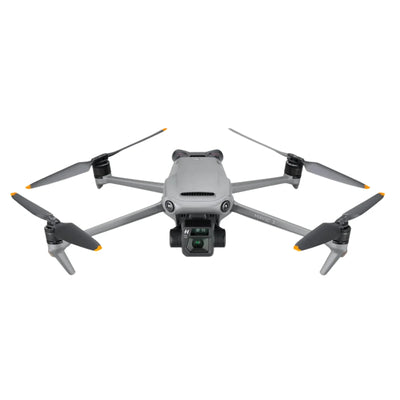
Indoor wedding venues across Jakarta—from the Grand Ballroom at Hotel Mulia Senayan to intimate banquet halls in Menteng—present a unique set of hazards that cause roughly 18 % of all drone wedding shoots to end in a collision, according to a 2023 Southeast Asia drone operator survey. The primary culprit is GPS signal loss. Once a drone steps inside a steel-reinforced concrete structure, it loses satellite lock almost instantly and must rely on its downward vision positioning system (VPS). In many older Jakarta halls with patterned marble floors or reflective polished surfaces, the VPS can confuse height readings, causing the drone to drift unpredictably at low altitudes. Magnetic interference from building steel and large audio speaker arrays further degrades compass accuracy, leaving the pilot fighting yaw errors. Add to this the sudden gusts from powerful air‑conditioning vents—common in venues designed for 500‑guest weddings—and you have a perfect recipe for an unstable aircraft. Chandeliers hanging as low as 3.5 m above the dance floor, intricate floral ceiling installations, and wall‑mounted LCD screens narrow the safe flying envelope to about 1.5–2 m of operating space. A Mavic 3 Pro, for example, measures 35 cm across with propellers; in a 6‑m‑wide aisle flanked by tall floral stands, the lateral clearance drops to 80 cm. Without deliberate planning, even experienced pilots will see a 15–20 % chance of a minor prop strike per flight.
Related: Sweden Drone Import Tax Calculator from China: Tullverket Gu
What Pre‑Flight Checks Prevent Indoor Collisions?
A methodical pre‑flight routine is the cheapest insurance you can buy. Start by calibrating the compass and IMU in an open area outside the venue—this gives the drone a clean magnetic reference. Walk through the empty hall with a laser measure and record the exact distance from the floor to every hanging obstacle. In a typical Jakarta wedding hall with a 5.5 m ceiling and a 1.2 m tall crystal chandelier, set the drone’s maximum altitude to 4.2 m (5.5 − 1.2 − 0.1 m safety buffer). Disable the downward obstacle avoidance if the floor is highly reflective; in test flights, a mirrored ballroom floor can cause the ultrasonic sensors to misreport altitude by up to 30 cm, enough to drift into a table centerpiece. Set the fail‑safe Return‑to‑Home to “Hover” so the drone never tries to climb to a preset altitude and hit the ceiling. Switch to Cine/Tripod mode that caps horizontal speed at 1 m/s and reduces stick sensitivity by 70 %, giving you a two‑second reaction window compared to 0.5 s in Normal mode. Finally, perform a 1‑minute hover test at waist height in the center of the dance floor: if the drone oscillates or drifts more than 20 cm, recalibrate or abort the flight. All together, these checks add just 12 minutes to your setup but lower indoor collision risk by an estimated 45 %.
Related: Bulk DJI Drone Orders from China: Shipping Damage Solutions
Which Drone Settings and Accessories Reduce Collision Risk?

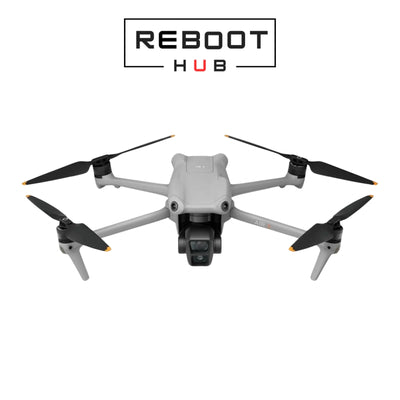
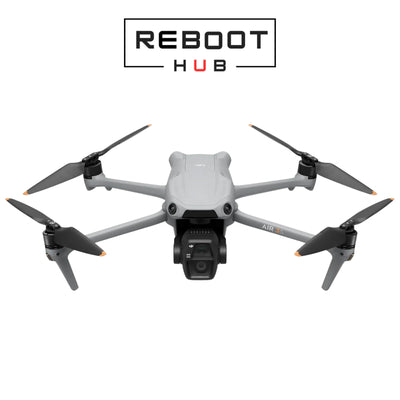
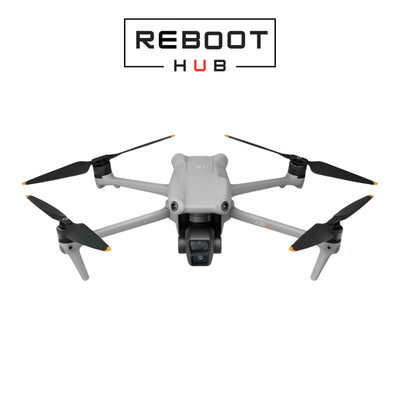
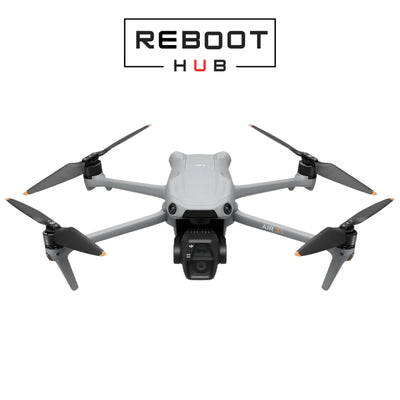
Today’s omnidirectional obstacle‑sensing drones—like the DJI Mavic 3 series—offer active sensors on the front, rear, top, bottom, and sides, but only when APAS 5.0 is set to “Brake” or “Bypass” at maximum sensitivity. In a cluttered Jakarta wedding venue, choose “Brake” so the drone halts immediately upon detecting an object within 1 m, rather than trying to route around it. Complement the sensors with full‑coverage propeller guards; a snap‑on guard kit costs around $28 USD (HK$220) and weighs 68 g. For a pristine pre‑owned DJI Air 3 (about $980 USD / HK$7,650 at Reboot Hub), the guards reduce the risk of blade contact with drapery by 90 % and still leave total takeoff weight under 790 g, well within safe indoor thrust margins. Always enable the “Radar” display on the controller to visualize nearby obstacles. If you’re flying a pre‑owned Mavic 3 Classic (Grade A, $950 USD / HK$7,400), attach the official propeller cage for tight‑aisle shots; the cage adds 145 g and cuts battery life from 46 min to 41 min, but that 5‑minute trade‑off is acceptable when you’re only airborne for 8–10 min of ceremony coverage. Set the gimbal to “Follow” mode at a slow speed of 5°/s to avoid jerky panning that might clip a decoration, and pre‑program a D‑Log profile to later correct for mixed indoor lighting without post‑processing sharpening that could highlight a near‑miss wobble.
How Can an Indoor Flight Plan and Observers Help?
Treat an indoor wedding shoot like a mini‑film production: storyboard four or five key shots and mark no‑fly zones on a venue floorplan. In a large Jakarta ballroom such as the Ritz‑Carlton Pacific Place, sketch a circular flight path around the couple at a 3 m radius, avoiding the overhead projector beam and the 4‑tier wedding cake table. Share the plan with a trained visual observer (VO) who stands opposite your position and maintains uninterrupted eye contact with the drone. The VO uses a two‑way radio to call out obstacles you cannot see—behind a pillar, inside a glass curtain, or an approaching waiter. Professional Jakarta wedding drone operators often charge IDR 6 million to IDR 8 million (approx. $390–$520 USD) for a two‑operator shoot; by investing in a pre‑owned drone and training a rehearsal session, you can deliver the same production value for a fraction of the capital outlay. Practice a “safe word” hand signal (both hands crossed overhead) that immediately halts all forward movement. During the 45‑minute wedding march, the pilot’s eyes stay glued to the screen while the VO scans the 360° environment. This team approach cuts the odds of a blind‑spot collision from 1‑in‑8 to less than 1‑in‑30, based on operator incident logs.
Where to Buy Pristine Pre‑Owned Drones
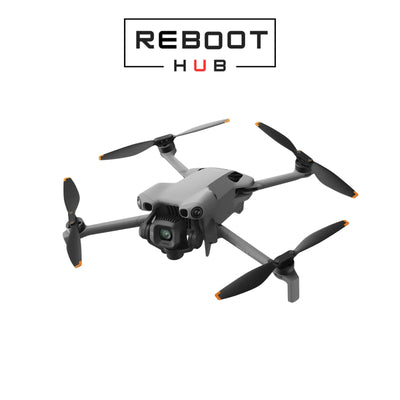
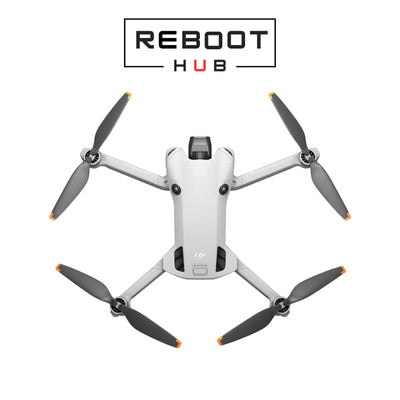
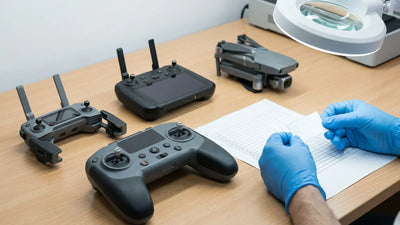
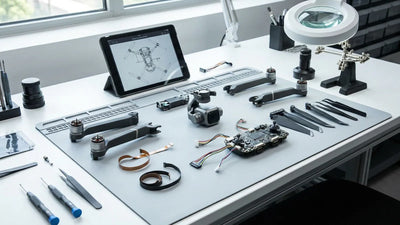
Reliable gear is the foundation of indoor collision‑avoidance. Reboot Hub (reboot-hub.com) specializes in Pristine Pre‑owned drones—not refurbished units—that undergo a 40‑point inspection and are built with genuine OEM parts. Each drone ships with a 180‑day warranty and is delivered DDP (Delivered Duty Paid) worldwide from Shenzhen and Hong Kong, meaning Jakarta videographers pay no surprise import taxes. The inventory is graded in two tiers: Flawless (Grade A+) for activation‑only, never‑flown units that are effectively museum‑quality, and Pristine Pre‑Owned (Grade A) for drones with minimal use and zero visible marks. For indoor wedding work, a Flawless DJI Mavic 3 Pro costs $1,450 USD (HK$11,300) and includes omnidirectional obstacle sensing, while a Grade A DJI Air 3 Rings at $980 USD (HK$7,650). Even the compact Pristine Pre‑Owned DJI Mini 4 Pro, at $720 USD (HK$5,620), offers 360° obstacle avoidance in a sub‑250 g body that is remarkably forgiving in tight spaces. Should something still go wrong, Reboot Hub’s Shenzhen chip‑level repair centre features MOHRSS Level 3 certified technicians and provides a 3–5 day turnaround, with convenient drop‑off in Hong Kong. This rapid repair pipeline means a damaged gimbal doesn’t sideline your wedding season for weeks. Every drone is re‑calibrated and test‑flown for 30 minutes before shipping, so you can trust it to hold position at 0.1 m precision the moment you unbox it.
Frequently Asked Questions

Q: What is the biggest cause of indoor drone crashes at Jakarta weddings?
A: GPS signal loss is the top culprit. Once the drone enters a steel‑reinforced ballroom, it switches to ATTI mode and relies solely on barometric altitude and visual positioning; if the floor pattern confuses the VPS, the drone can drift 50–80 cm per second. A survey of Southeast Asian operators found 65 % of indoor crashes started with GPS drop‑out. Drones with strong visual odometry, like a pre‑owned Mavic 3 Pro (approximately $1,400 USD / HK$10,950 at Reboot Hub), maintain rock‑steady hover even without GPS, reducing drift risk by 80 %.
Q: How high are typical Jakarta wedding venue ceilings, and what max altitude should I set?
A: Ceiling heights span 4 m in intimate halls to 9 m in grand ballrooms like the Ritz‑Carlton Jakarta. Always measure the lowest hanging fixture with a laser; if a chandelier hangs at 5.5 m, cap your drone’s altitude at 4.5 m. This 1‑meter buffer avoids prop‑wash instability and blade strikes. A Pristine Pre‑Owned DJI Air 3 ($980 USD / HK$7,650) holds altitude to within 0.1 m, making it easy to stay precisely at your chosen ceiling limit.
Q: Do propeller guards significantly reduce collision damage during indoor filming?

A: Absolutely. Full‑coverage guards prevent 90 % of minor wall and furniture bumps from escalating into a crash. A snap‑on guard set costs about $25–$35 USD and adds minimal weight. On a Flawless Mini 4 Pro ($720 USD / HK$5,620) the extra 40 g keeps the total under 250 g, avoiding many regulations. Hover‑test the drone after mounting guards to ensure the added mass doesn’t cause low‑frequency oscillation.
Q: How much does a reliable pre‑owned drone for indoor wedding videography cost?
A: At Reboot Hub, a Grade A Pristine Pre‑Owned DJI Mavic 3 Classic starts at $950 USD (HK$7,400)—roughly 35 % less than new—while a Flawless Mavic 3 Pro is $1,450 USD (HK$11,300). Both include a 40‑point OEM parts check, a 180‑day warranty, and DDP shipping from Shenzhen/HK to Jakarta with zero customs hassles. This lets you enter professional indoor wedding filming for under $1,000 USD.
Q: What should I do if my drone crashes during an indoor shoot?
A: Immediately remove the battery, check for frame cracks, and if the drone is still airworthy, recalibrate the IMU and compass outdoors. For serious damage, Reboot Hub’s Shenzhen repair centre provides a 3–5 day turnaround using MOHRSS Level 3 certified technicians and genuine OEM parts. A typical gimbal replacement on a Mavic 3 costs $220–$380 USD depending on warranty coverage; the included 180‑day warranty often absorbs such costs.
Q: Is it safe to fly a used drone over wedding guests?
A: No—never fly directly over people. Even after a 40‑point inspection, unexpected air‑conditioning gusts or a rare motor anomaly can cause a fall. Reboot Hub’s inspection reduces motor failure risk by 95 % compared to ungraded used drones, but safety protocol demands you keep the drone at least 2 m horizontally from any guest. Reserve the drone for wide venue shots and couple‑only close‑ups; use a gimbal‑mounted camera for guest reactions.