Support & Learning / Module 6 of 9
Propulsion, Battery and Power
Before this lesson: How Drone Cameras and Gimbals Work: Sensors and Payloads
What you will understand
- Understand motors, ESCs, propellers, batteries and charging.
- Separate observable evidence from assumptions before choosing an action.
- Continue through the main lesson path or enter a focused topic branch when needed.
Quick answer
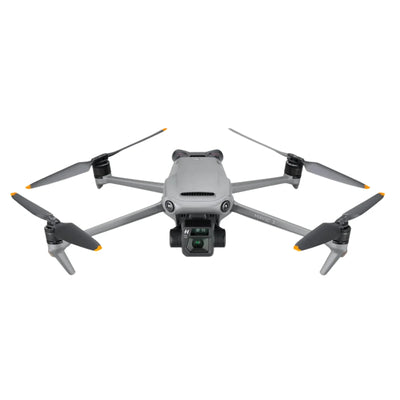
A multirotor propulsion system is a controlled energy chain. The battery stores energy and reports supported status through its battery management system. Power reaches electronic speed controllers, which commutate brushless motors. Motor torque turns matched propellers, and the accelerated air produces propeller thrust. The flight controller adjusts that chain continuously. A warning at one end therefore does not automatically identify the failed part at the other.
How does stored battery energy become controlled thrust?
The energy path begins in the exact battery approved for the aircraft. Its cells store chemical energy that becomes electrical energy at the pack terminals. Contacts, wiring and power-distribution paths carry that supply into the aircraft. Each electronic speed controller then switches current through a brushless motor in a timed pattern. The motor produces torque, the propeller turns, and the blades accelerate air to create thrust.
Every stage changes what the next stage can do. The battery must provide enough usable voltage and current for the requested load. Connections must remain secure and resistive losses low enough for the design. The ESC must receive both power and a valid command. The motor must rotate freely and convert electrical input into mechanical torque. The propeller must be the correct identity, direction, fit and condition for that aircraft. The frame must carry the resulting forces without damage or obstruction.
This is why propulsion diagnosis starts with an energy path rather than a parts catalogue. A cracked propeller can increase vibration. A binding motor can increase current demand. A poor contact can create heat and voltage loss. A cold or degraded battery can show more voltage sag under load. A flight-control restriction can prevent motor start even when the electrical hardware is intact. The observed symptom sits inside a system.

What do voltage, current, power and energy mean in a drone?
Voltage describes an electrical potential difference. Current describes the rate of charge flow. Their product is electrical power: the rate at which energy is being transferred at that moment. Energy adds the time dimension and describes how much work the battery can potentially support across an operating period. These ideas are related but not interchangeable.
A high displayed state of charge does not guarantee that voltage will remain stable under a demanding load. The aircraft may request more power during climb, acceleration, wind correction, heavy payload operation or rapid control changes. Current rises to meet that demand within the system's limits. Resistance in cells, contacts or conductors turns part of that transfer into heat and contributes to voltage drop. Temperature and battery condition change the response.
Generic internet numbers are weak evidence because pack architecture, aircraft load, firmware behavior, age, temperature and measurement method vary. Use supported telemetry as one evidence stream and compare it with the exact warning, operating state, battery identity and physical condition. The goal is not to derive an internal service threshold from a public article. It is to recognise when the observed response is plausible, when it needs controlled comparison and when it requires a stop-use decision.
What does a drone battery management system actually do?
A battery management system, or BMS, monitors and manages functions supported by the exact pack design. Those functions can include cell-voltage observation, temperature observation, charge and discharge protection, state reporting, balancing behavior and communication with the aircraft or charger. The implementation and information exposed to the user are model-specific.
The BMS is a protective and reporting layer, not proof that the pack is healthy in every possible way. A normal percentage display does not inspect hidden impact damage. A pack that communicates does not certify its contacts, latch, enclosure or performance under every load. Conversely, a no-charge or communication symptom should not be reduced immediately to a failed BMS; charger compatibility, contact condition, temperature, storage state, aircraft response and history also matter.
Owner-level evidence stays outside the sealed pack. Record the exact battery and charger, LED sequence, supported app message, temperature context, storage history, visible condition and whether another known-compatible setup behaves differently. Stop for swelling, leakage, unusual odor, damaged contacts, deformation or abnormal heat. Do not open, reset or bypass a battery because a generic tutorial names an internal cause.
Why does voltage sag appear under load?
Voltage sag is a temporary reduction in delivered voltage when current demand increases. Every real source and connection has some effective resistance, so higher current produces a larger drop and more heat. State of charge, cell condition, temperature, contacts, wiring and the requested power all influence what the aircraft sees. When the load falls, part of the voltage can recover.
Sag matters because propulsion demand is dynamic. A battery may look calm while the aircraft is idle yet respond differently during takeoff or acceleration. That pattern is useful evidence, but it still does not identify one internal component by itself. A mechanically loaded motor, unsuitable propeller, poor contact, cold battery or wider power-path condition can change the same observed relationship.
Compare like with like only when the aircraft is safe and current guidance allows the check. Use the exact aircraft, supported battery, similar temperature and a controlled operating context. Never turn a public comparison into a forced test on a swollen, wet, impacted or binding system. The battery-care lesson owns routine observations, while the swelling and safety branch owns immediate stop-use decisions.
How does an electronic speed controller commutate a brushless motor?
A typical drone brushless motor has stationary windings and a rotating magnetic assembly. It needs a changing magnetic field to keep producing torque. The electronic speed controller creates that field by switching current through motor phases in a controlled sequence called commutation. Timing and current regulation follow the architecture and command from the wider flight-control system.
The ESC is therefore more than a simple on-off switch. It translates a requested output into controlled phase drive while operating inside electrical and thermal limits. The motor responds with torque. Speed then depends on load, supply, control and the motor-propeller combination. The flight controller coordinates several ESC channels so the aircraft can change total thrust and rotational moments.
This conceptual explanation must not be used as a wiring map. Phase arrangement, sensing, integration and service access vary by model and board revision. A public lesson does not justify probing a powered board or substituting a generic ESC. For a persistent ESC warning or board-level repair question, use the ESC and MOSFET diagnosis branch, where professional evidence and a written scope remain separate from owner checks.

How does a brushless motor turn electrical input into torque?
Current in the stator windings creates magnetic fields that interact with magnets in the rotor. The resulting electromagnetic force produces torque around the shaft. Bearings support rotation, the shaft and bell carry mechanical load, and the mounted propeller converts the motor's torque into aerodynamic work. Smooth rotation depends on both electrical drive and physical condition.
A motor symptom can therefore have several layers. Debris, deformation, bearing damage or impact can create drag or sound. A damaged winding or connection can change electrical behavior. An ESC channel can fail to drive a healthy motor correctly. A mismatched or damaged propeller can create abnormal load and vibration. The flight controller can also inhibit operation when another condition makes startup unsafe.
Do not diagnose by hand feel alone, and do not command a powered test when the propeller, structure, battery, wiring or free rotation is uncertain. Begin powered off. Preserve the exact warning, compare visible condition and free movement without forcing the assembly, record impact or moisture history and check propeller identity. The motor diagnosis lesson separates propeller, motor, ESC and wider-aircraft evidence.
How does a propeller turn motor torque into thrust?
A rotating propeller creates a pressure and momentum change in the surrounding air. Its blades meet the airflow at an angle, produce aerodynamic force and accelerate a stream of air. The reaction on the aircraft includes thrust along the rotor axis and torque that the motor and frame must carry. In hover, the combined rotor thrust balances weight; manoeuvring changes the amount and direction of that force.
Propeller thrust is not a fixed label printed on a blade. Diameter, pitch, profile, rotational speed, air density, inflow, blade condition and nearby surfaces affect the result. So do motor capability, available power and control limits. Increasing one geometric property can increase load as well as potential thrust. That can reduce control margin or raise current and temperature if the combination is not designed for the aircraft.
Clockwise and counter-clockwise positions also matter because multirotors use rotor direction and torque balance as part of yaw control. Fit, fastening and clearance must be exact. Never assume that a propeller is compatible because its hub attaches or its marketing copy promises quieter or stronger flight. Use the propeller inspection and replacement guide for condition and the upgrade-claim guide before accepting a claimed alternative.

How do temperature, payload, altitude and wind change propulsion demand?
The propulsion system does not work in a laboratory vacuum. Temperature changes battery response, material behavior and cooling conditions. Payload and centre of gravity change the thrust and control effort required. Lower air density can require a different rotor operating point to produce the same force. Wind and turbulence add disturbances that the controller must correct. Nearby surfaces can alter inflow during takeoff, landing or close inspection.
These factors interact. A cold battery, heavy supported payload and demanding climb can produce a different power response from the same aircraft lightly loaded in mild conditions. A hot environment can reduce thermal margin even when flight feels normal. A shifted load can make some motors work harder than others. The correct question is not whether one condition always causes a fault, but whether the exact system has enough documented margin for the planned task.
Start that check from the exact aircraft rather than a generic family name. The Drone Wiki model reference hub connects each supported model to its technical reference, related parts and focused lessons. It is a navigation aid, not permission to substitute a battery, motor or propeller from a visually similar model.
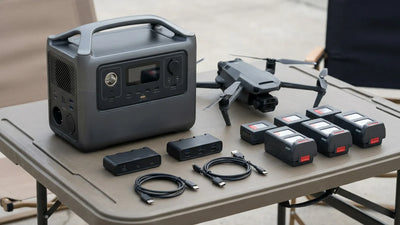
Before procurement or field use, identify the aircraft, battery set, propellers, payload, expected environment, flight profile and required reserve. Confirm current manufacturer guidance and local operating requirements for that exact mission. Reboot Hub uses this use-case-first record so a buyer is not handed a visually attractive unit without the equipment and written boundaries needed for the real job.
Which symptoms belong to the battery, ESC, motor or propeller evidence path?
Start by describing what happened, when it happened and what remained functional. Do not begin with the part you expect to buy. Preserve the exact message, aircraft and battery identity, charge and temperature context, operating state, recent impact or moisture history, propeller condition and any abnormal sound, odor, heat or vibration.
| Observed concern | Evidence to preserve | Decision boundary |
|---|---|---|
| Battery warning or early shutdown | Exact pack, charge, temperature, supported telemetry, load state, contacts and history. | Do not assign a cell or BMS cause from one message. |
| One motor will not start | Warning, propeller and motor condition, obstruction, impact, moisture and whether startup is inhibited. | Separate mechanical, motor, ESC, connection and control evidence. |
| Vibration, sound or unstable image | Blade identity and damage, motor movement, airframe, accessories, original footage and repeat conditions. | Inspect the complete motion path before blaming the gimbal. |
| Heat or electrical odor | Location without touching a hot part, battery and aircraft identity, timing, load and visible condition. | Stop use; do not repeat a powered test to make the symptom clearer. |
| Shorter flight time | Comparable mission, payload, wind, temperature, battery identity, reserve and warning record. | Avoid comparing unlike conditions or promising a generic duration. |

When should you stop instead of testing again?
Stop when continued power could make the evidence less safe or less clear. Battery swelling, leakage, odor, unusual heat, damaged terminals or enclosure deformation are stop-use signs. So are a visibly cracked arm, loose motor, binding rotation, damaged propeller mount, exposed conductor, water history, smoke, repeated shutdown or an unexplained high-energy impact.
Remove propellers only when current exact-model guidance and the physical condition allow safe handling. Do not improvise a live bench run simply because the aircraft cannot take off. Powered propulsion can move suddenly, and an unloaded or damaged system may behave differently from flight. Professional diagnosis should use controlled fixtures, model-specific documentation and an approved scope rather than asking an owner to reproduce a hazardous condition.
A good handoff includes the exact unit, battery and charger, supplied propellers, warning screenshots, flight or app records where available, original footage if vibration is involved, environmental context and a plain-language chronology. That evidence saves time and protects the customer's ability to understand what is confirmed, what remains possible and what work is being proposed.
How should workshop experience be used without inventing certainty?
Workshop case evidence can reveal useful relationships: a warning that followed impact, a motor that felt mechanically restricted, a battery response that changed with temperature, or heat that appeared only under a particular load. These patterns help a technician decide what to inspect and what evidence to request.
The boundary is just as important. One model, board revision, battery history or successful repair does not become a universal component diagnosis. Internal service documents, board measurements and pack procedures are not owner instructions. A public lesson should explain the system, preserve safe evidence, identify a stop condition and route the internal work through a professional documented process.
This makes real repair experience more credible rather than less useful. The symptom pattern remains available to the reader, while the conclusion stays proportionate to the evidence. The phrase “common failure” is never a substitute for confirming the exact aircraft in front of the technician.
How does Reboot Hub remove propulsion worries before purchase or repair?
We begin from the customer's perspective: what the aircraft must carry, where it will operate, how it will be charged, what reserve the task needs and which failure worries would stop the project. Then we identify the exact aircraft, batteries, charger, propellers, controller, payload and supplied items. Available condition evidence and tested functions stay tied to the unit offered.
For a battery purchase, the DJI battery inventory path becomes useful only after exact compatibility and condition evidence are clear. For a fault, the professional repair path begins with diagnosis and a written scope. The Reboot Hub Standard explains how supplied items, visible condition, known limitations and written terms are made clear before payment or approval.
Premium service means reducing the concerns a customer should reasonably have: incompatible equipment, hidden damage, uncertain battery history, unexplained warnings, ambiguous accessories, unclear logistics and open-ended repair work. Evidence removes what can be removed. Remaining unknowns are stated rather than disguised. The next step is recommended only when it fits the exact unit and intended outcome.
Which focused propulsion lesson should you use next?
This cornerstone owns the complete energy-to-thrust explanation. The existing pages below remain independent because they answer narrower action intents. Choose the branch that matches the evidence, then return to the main course.
| Your exact intent | Best next lesson |
|---|---|
| Routine battery care and stop-use signs | Use the daily battery-care branch. Open branch. |
| Charging method or charger compatibility | Use the supported charging branch. Open branch. |
| Long-term battery storage | Use the storage and return-to-use branch. Open branch. |
| Battery does not charge | Use the no-charge evidence branch. Open branch. |
| Swelling, heat, odor or leakage | Stop use and open the safety branch. Open branch. |
| Buying a replacement battery | Use the compatibility and evidence branch. Open branch. |
| Persistent ESC or MOSFET evidence | Use the professional ESC diagnosis branch. Open branch. |
| Motor, ESC or propeller symptom | Use the motor isolation branch. Open branch. |
| Propeller condition or replacement | Use the inspection and replacement branch. Open branch. |
| Claimed propeller upgrade | Use the compatibility-before-claims branch. Open branch. |
What should you remember before Module 7?
Follow the chain. The battery supplies energy. Its BMS monitors and manages supported pack functions. Power distribution carries the supply. The electronic speed controller performs commutation. The brushless motor creates torque. The matched propeller accelerates air and produces thrust. The flight controller coordinates every rotor, but its command can only become motion when the complete physical system has enough safe control authority.
Carry that system view into pre-flight work. Module 7 turns technical understanding into an operating decision: exact aircraft, battery, propeller, payload, environment, warning history and required reserve must all be acceptable before launch. A checklist is valuable only when it reflects the real unit and mission.
Keep exploring
Further reading
From La crónica de Reboot Hub







From Guías de drones