South Africa Indoor Property Drone Planning: Evidence First
South Africa indoor property planning brief
Indoor space, a compact aircraft and a real-estate brief are not a substitute for a project plan. Define the room or building context, people, exact kit, capture boundary, property contact and current responsible-route questions before an aerial element is scheduled.
What should a team establish before an indoor property drone shoot in South Africa?
Decision layer
Evidence to retain
What it can establish
What it cannot establish
Indoor context
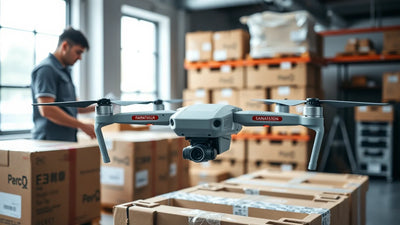
Building, rooms, entrances, exits, staff, residents, guests and access contact
What space and people are involved
That indoor wording removes all planning questions
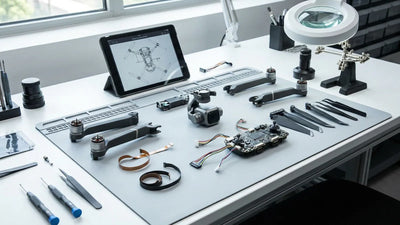
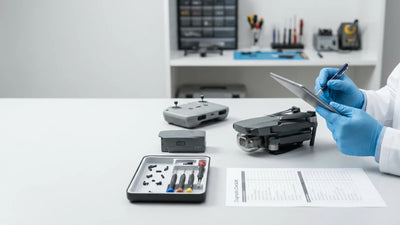
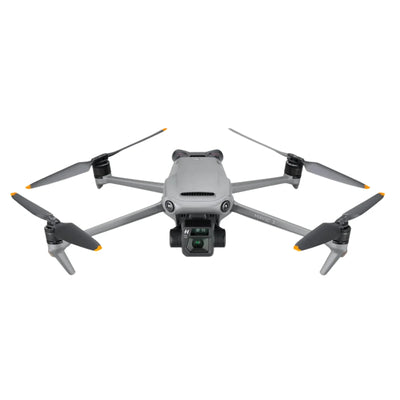
Exact kit
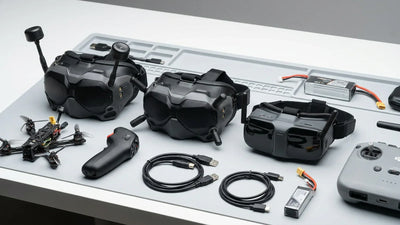
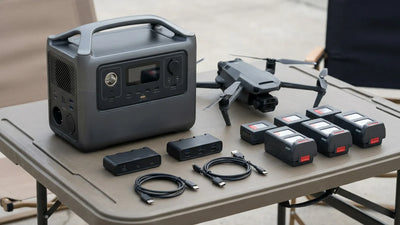
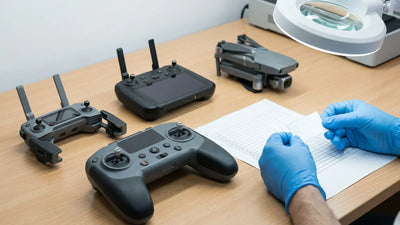
Aircraft, controller, batteries, guards or accessories, camera setup, serial and condition
What system is proposed
That a compact product label proves suitability
Capture boundary
Requested footage, people visible, data handling, client deliverables and ground alternative
What content is intended
That a property brief settles privacy or safety
Current route
Current responsible route for the actual property, people and operation
What requires current confirmation
That an older indoor guide approves a new job
Stop condition
A pause condition for access, people, equipment or evidence mismatch
When aerial capture should not proceed
A guaranteed filming result
Why should indoor property work still have a written boundary?
A contained room does not make the people, property contact, equipment condition or capture plan disappear. A short written boundary keeps the team focused on the real site and gives them a reason to switch to a ground option when the facts do not align.
How should a team turn the review into an action plan?
Action
What to retain
1. Map the actual indoor context
Record rooms, access, entrances, exits, people and the responsible property contact.
2. Document the exact kit
Keep aircraft, controller, batteries, accessories, camera setup, serial and condition record.
3. Define the capture boundary
Write the intended footage, people visibility, data handling and ground alternative.
4. Use a current route
Seek the current answer for the real property, people and operation.
5. Keep a stop condition
Pause when site access, people, equipment or written answers conflict.