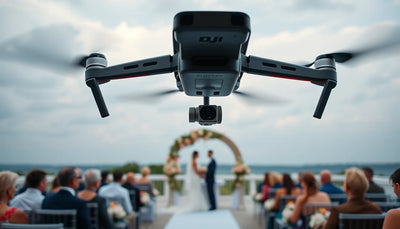
DJI Drone Parts: OEM-Pulled Parts and Compatibility
Reboot Hub buyer action brief
What to do before buying DJI drone parts
Match the part precisely
Confirm the aircraft or controller model, variant, side, connector, cable path, board revision, and whether calibration is required after installation.
Treat photos as evidence, not proof
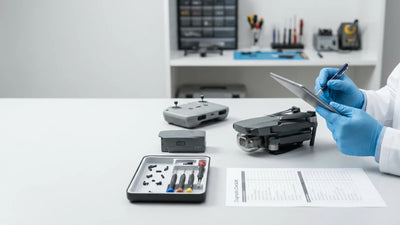
A part that looks similar can still be wrong. Ask for close photos of labels, connectors, mounting points, screw holes, and visible damage.
Move to repair support when unsure
If the fault is not diagnosed, use a repair path before buying parts. Replacing visible damage may not solve the underlying issue.
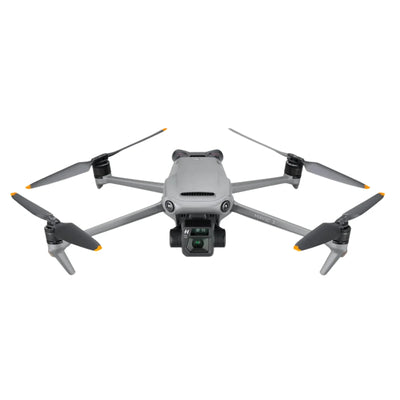
Drone parts searches look simple until the wrong part arrives. A DJI arm, gimbal, camera, cable, controller board, battery, or propeller can look close enough in photos and still be wrong for the model, side, revision, or installation path.

Quick answer
Before buying DJI drone parts, match the exact model, variant, side, cable, board revision, and connector layout. A part that looks similar can still be wrong, especially arms, gimbals, cameras, batteries, and remote-controller modules.
How should buyers match DJI part compatibility?
Start with the aircraft or controller model, then narrow down to the exact part family. “Mini,” “Mavic,” “Air,” “Avata,” “FPV,” “Inspire,” and “Matrice” are broad families, not enough to confirm compatibility. A correct parts page should help the buyer verify the exact aircraft, side, module, connector, screw pattern, camera or gimbal version, and whether the part requires calibration after installation.
For some parts, the safest answer is not “buy it and try.” Flight-critical items such as arms, motors, gimbals, main boards, battery parts, and remote-control modules can create repeat faults or unsafe behavior if installed without the right diagnosis.

What is the difference between OEM-pulled and aftermarket parts?
OEM-pulled parts are removed from original equipment and can be useful when a model is out of stock, discontinued, or hard to repair with new parts. The buyer still needs condition notes, model match, and inspection. “OEM-pulled” should not be used as a magic guarantee; it is a parts-source description that still needs testing and fitment review.
Aftermarket parts can be useful for some accessories or non-critical items, but they need extra care. With propellers, guards, cables, gimbals, and camera-related parts, the cost of a wrong match can be higher than the price difference.
Which DJI parts are easiest to buy wrong?
| Part type | Common mistake | Verification point |
|---|---|---|
| Propellers | Buying by size or color instead of model and mount | Match model, mounting type, direction, and use case. |
| Arms and shells | Wrong side, revision, cable path, or screw layout | Confirm exact model, left/right side, and connector path. |
| Gimbal and camera parts | Replacing the visible damaged part without diagnosing the fault | Check gimbal behavior, camera signal, ribbon cable, frame alignment, and calibration needs. |
| Batteries and chargers | Assuming nearby model batteries are interchangeable | Match battery family, latch, charger, hub, and aircraft support. |
| Remote-controller modules | Buying a board or shell for a similar-looking controller | Confirm controller model, layout, screen version, and binding requirements. |

When does a part need technician installation?
Simple accessories can often be installed by the owner, but repair parts are different. If a part affects flight control, camera output, gimbal movement, power, antenna behavior, controller signal, waterproofing, or structural integrity, a technician path is safer. Even when the part is correct, the drone may need calibration, diagnostic review, or post-repair testing.
A good parts page should tell buyers when to stop and ask for repair support. That protects the buyer from turning a small part purchase into a larger repair problem.
Where should Reboot Hub buyers start?
Start with the spare parts collection when you already know the part family. Use the Drone Wiki when you need model context. Use the repair page when the fault is not fully diagnosed. For high-value or flight-critical parts, buying the part and repair support together may be safer than guessing from photos.
If the buyer is replacing an old Cloud City parts path, the useful Reboot Hub answer is not just another product list. It is a compatibility path: model reference, verified parts collection, repair support, and condition standards in one chain.
Keep exploring
Further reading
From The Reboot Hub Chronicle


From Drone Guides