UAE Power-Line Drone Inspection: Evidence Before a Quote
UAE infrastructure-inspection planning brief
A commercial-inspection label, a consumer-versus-enterprise comparison or an old licence summary does not decide a specific power-line job. Keep the asset owner, site, people, exact equipment, capture purpose, data boundary and current responsible-route answers together before quoting aerial work.
What should a UAE team establish before quoting a power-line drone inspection?
Decision layer
Evidence to retain
What it can establish
What it cannot establish
Asset and site
Asset owner, exact corridor or asset area, site contact, workers, public context, access and ground alternative
What the inspection concerns
That a power-line label grants site access
Exact system
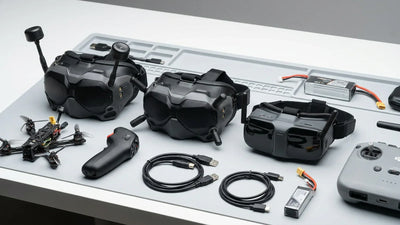
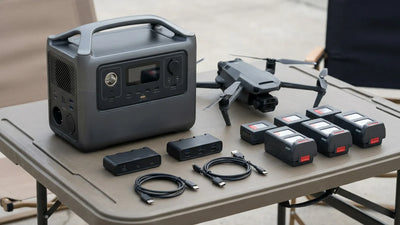
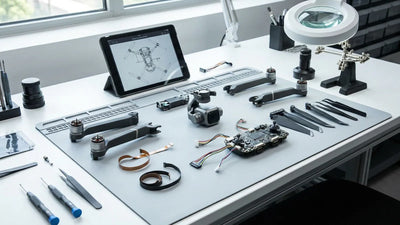
Aircraft, controller, payload, batteries, accessories, version, serial and condition record
What equipment is proposed
That a broad product category proves job fit
Capture purpose
Specific observation question, required output, capture boundary and review owner
What the client needs
A guaranteed inspection, thermal or data result
People and data
Responsible operator, team roles, site people, data access, storage and handover boundary
Who is accountable for information
That an inspection label removes privacy or security questions
Current route
Current responsible route for site, people, equipment and planned activity
What needs confirmation
A fixed licence, insurance, site-access or operational result
Why should a power-line quote begin with the asset owner and observation question?
The right equipment follows the actual inspection question. A transparent brief gives the client a clear picture of the proposed system, boundaries and current questions, rather than presenting a product category or a past licence statement as a guarantee.
How should a team turn the review into an action plan?
Action
What to retain
1. Define the asset question
Record the asset owner, site, required observation, people and a ground alternative.
2. Document the exact candidate kit
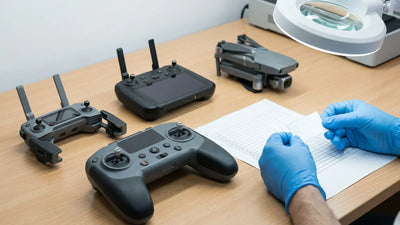
Keep aircraft, payload, controller, batteries, accessories, version, serial and condition evidence.
3. Set capture and data boundaries
Write required output, access, storage, review and handover expectations.
4. Use the current route
Confirm the actual site, people, equipment and activity with the relevant route.
5. Preserve the quote evidence
Keep the client brief, kit record, current responses and stated boundaries together.