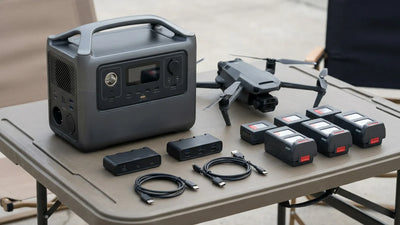
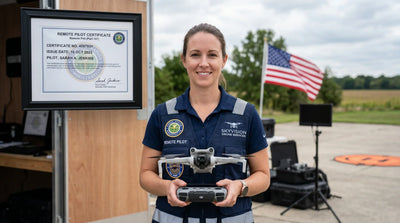
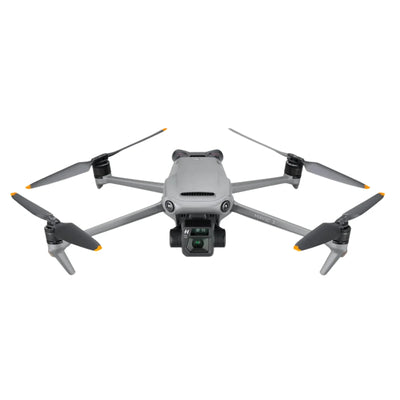
A used DJI Mini, a Mexico sender and a Thailand destination are separate inputs. Start with the exact kit, batteries, seller documents, sender and consignee records, then use current carrier and destination routes for the actual shipment; do not turn an old tax, processing-time, DDP or model-price example into a present result.
What should a sender establish before shipping a used DJI Mini from Mexico to Thailand?
Decision layer
Evidence to retain
What it can establish
What it cannot establish
Exact used Mini kit
Aircraft, controller, batteries, accessories, serial, condition and included-items record
Which individual system is proposed
A conclusion for another configuration
Battery and carrier evidence
Battery identification, supplied handling information and current carrier confirmation for the actual shipment
Which carrier questions need current confirmation
That a general shipping article establishes acceptance
Seller and sender record
Seller identity, itemized invoice, condition images and written terms
What the sender represents for the stated kit
A current destination result
Consignee and destination route
Actual consignee information and current official or broker response for the shipment
Which destination questions need current confirmation
A fixed tax, approval, fee, clearance or timing result
Receiving file
Carton record, item count, condition evidence and written exception notices
What arrived for the stated purchase
The cause of a later issue
Why should carrier acceptance and destination treatment be reviewed separately?
Carrier handling concerns the exact packed shipment, including its batteries and documentation. Destination treatment concerns the actual consignee and route. Keeping both beside the used-kit record helps a buyer identify unanswered questions before dispatch without presenting a historical delivery term as a promise.
How should a team turn the review into an action plan?