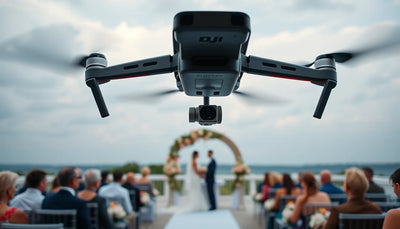
Drones for Real Estate Photography in Spain: AESA
Guide to real estate photography with a drone
Quick response
- Purchasing a drone, taking a course, or obtaining an insurance estimate alone does not fully resolve a real estate photography reservation.
- The fit depends on the specific operation, including factors such as property, area, people, aircraft, operator, pilot, and the type of image requested.
- The AESA/EASA assists in locating the operation, and the owner, manager, and insurer are required to confirm their own conditions in writing.
- When selecting a unit, it is essential to define the job first, and then choose the unit, ensuring that the camera, condition, support, and traceability align with the specific requirements of the actual assignment.
Is real estate photography solved only with a license?
The pilot, operator, aircraft, and location are all distinct components of the same decision-making process. A course or certificate can be one part of the overall file, but it alone does not determine the corresponding category, who assumes control of the operation, or what limitations are imposed by the specific location.
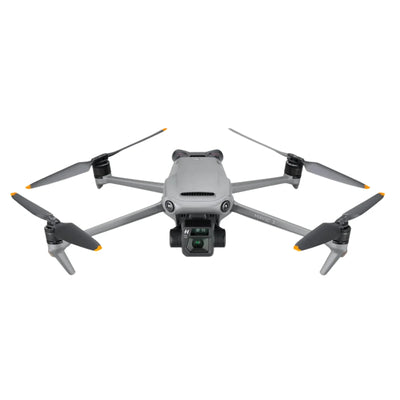
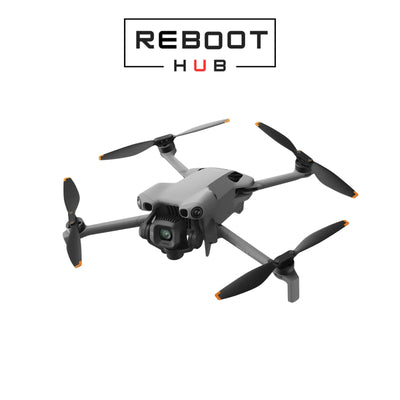
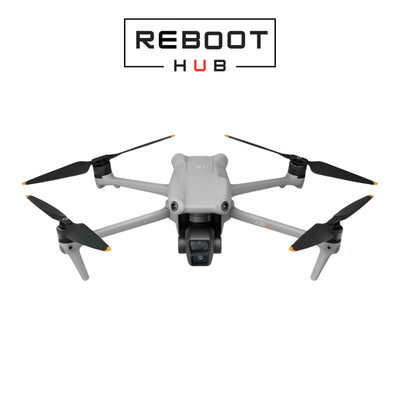
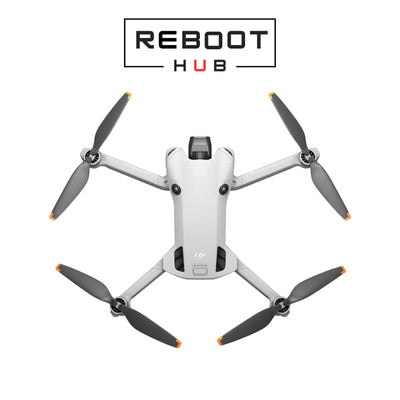
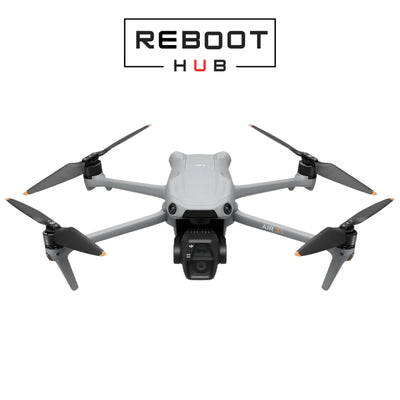
Before selling a session, it is essential to define the type of property, the necessary shots, the schedule, the people who can be in the area, and the model that will be used, such as the DJI Mini 5 Pro or Mavic 3. With this data, the query to AESA or EASA can be specific, and the client will understand what information is missing before reserving a date.

What information defines the operation before booking it?
A useful worksheet should include the address or coordinates, image targets, planned takeoff and landing, access to the property, presence of third parties, available time, camera equipment, and security officer. It is best to clarify this information before purchasing or moving the aircraft to the location.
The guidelines also differentiate between various types of shoots, including outside shoots, shoots near people, sessions in private areas, and indoor shoots, which may require different confirmations, even if the client refers to them as a single photo session.
- Ask the client for a description of the shots and the areas where there will be people.
- Records are kept of who controls access and who has the authority to stop the session if conditions change.
- Avoid making promises about specific shots before reviewing the location, time, and requirements of the operation.

What should the operator confirm with AESA and the airspace?
Current AESA/EASA guidance should be compared with the actual mission to determine the location category, operator registration, pilot training, and geographic restrictions, and the result should not be copied from a previous operation if the property, environment, or equipment changes.
Maintaining a unified understanding among all parties involved is crucial, so it is essential to keep the operation file and any instructions received on hand, ensuring that the client, pilot, and person in charge of the property are all working with the same information.

What must the owner or manager of the property confirm?
Client authorization does not necessarily mean that all individuals and areas of the site are ready for an operation, so it is essential to confirm access, schedules, security zones, privacy, neighbors, construction or maintenance personnel, and any limitations imposed by the property manager.
For use in indoors, terraces, patios, or shared areas, it is necessary to define the outlet and controls before bringing the equipment, as being on the property does not in itself eliminate the need to manage security, people, and the use of images.

What should be in writing with the insurer?
When inquiring about insurance for your pre-owned DJI drone, such as the DJI Mini 5 Pro or Mavic 3, it is essential to ask the insurer to confirm the scope of the policy. This includes specifics about the activity, the equipment being covered, the pilot or operator, the location of the operation, and any relevant exclusions that may apply, to ensure you have the necessary coverage for your drone.
Insurance may be included in the file, but it does not replace air clearance, zone confirmation, or owner clearance, so be sure to keep the confirmation along with the work plan so it can be reviewed before each session.
Responsibilities before a real estate session
| Decision | Information that should be prepared | Confirmation path |
|---|---|---|
| Operation | Property, shots, schedule, people and take-off areas | AESA/EASA operator and guide |
| Pilot and operator | Identity, training, role and session control | Responsible operator and AESA/EASA |
| Location | Access, privacy, neighbors, staff and property conditions | Owner, manager or client |
| Insurance | Activity, aircraft, location and exclusions to be confirmed | Insurance company |
| Team | Model, camera, condition, serial and support | Seller, manufacturer or service |
Keep exploring
Further reading
From The Reboot Hub Chronicle

From Drone Guides