Skip to content

Canada Virtual Tour Drone Planning: Evidence Before Equipment Choice

Canada property virtual-tour planning brief

A software name, model list, price example or real-estate label does not prove that a particular property tour will work as intended. Start with the client goal, property, people, exact equipment, capture method, platform route, data boundary and current project questions.

What should a Canadian property team establish before choosing a drone for virtual-tour work?

Decision layer Evidence to retain What it can establish What it cannot establish
Client and property goal Property contact, tour objective, required output, people, site context and ground alternative What the client needs That a platform name guarantees a completed tour
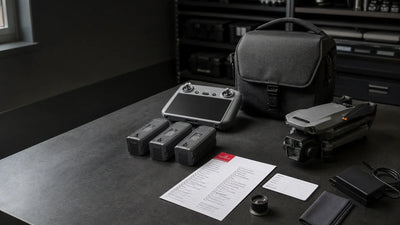
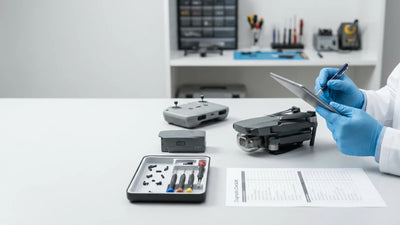
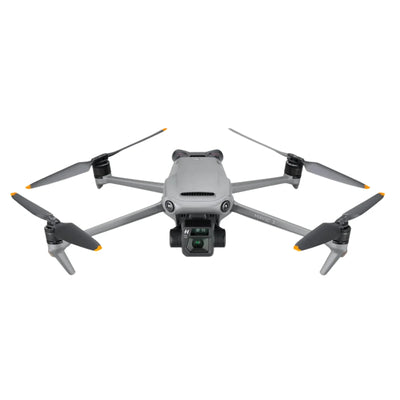
Exact kit Aircraft, controller, camera setup, batteries, accessories, version, serial and condition record What equipment is proposed That a model list proves every workflow fit
Capture method Documented capture boundary, indoor or outdoor context, review owner and expected handover What will be collected A universal image or platform-compatibility result
Platform and data route Current account, import or publishing route, access, storage and client handover boundary What must be tested for this project That a brand name settles current integration
Current project route Current responsible route for property, people, equipment and planned activity What needs confirmation That a purchase approves a property shoot
Canada property virtual-tour brief with documented drone kit, property, capture method and platform-route evidence

Why should a virtual-tour brief start with the client's actual deliverable?

The customer needs a usable tour or image set, not a shopping list. A documented deliverable and property context let a team test the exact kit and platform route honestly while keeping people, data and project boundaries visible.

How should a team turn the review into an action plan?

Action What to retain
1. Define the requested deliverable Record the property, client goal, required output, people and ground alternative.
2. Document the exact kit Keep aircraft, controller, camera setup, batteries, accessories, version, serial and condition evidence.
3. Write the capture boundary Define what is collected, where and who reviews the output.
4. Test the current platform route Confirm the actual account, access and handover path for the project.
5. Use the current project route Review property, people, equipment and activity before relying on the proposal.

Related Reboot Hub paths

Related Reboot Hub path Use it for
Drone Wiki model reference hub Identify the exact aircraft and supplied kit
DJI Drone Comparison 2026 Compare documented model roles
Drone grading standard Review condition evidence before purchase
The Reboot Hub Standard Understand documented equipment review
Seller and serial evidence guides Document an exact unit before payment
Pre-owned DJI inventory Compare documented equipment options

Frequently asked questions

Does a software name guarantee virtual-tour compatibility?

No. The exact kit, capture method, current platform route and client deliverable need testing.

What should be recorded about the property job?

Keep property contact, client goal, people, required output and ground alternative together.

Can a model list prove every workflow fit?

No. Account route, equipment condition, capture method and handover need project-specific review.

Why document data boundaries?

They clarify who can access, review, publish and receive the project material.

When should the proposal pause?

Pause when property, people, exact kit, platform route or written answers do not align.

Prev post
Next post

Leave a comment

Please note, comments need to be approved before they are published.

Keep exploring

Further reading