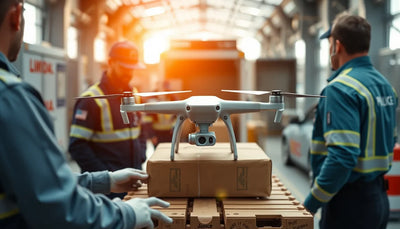
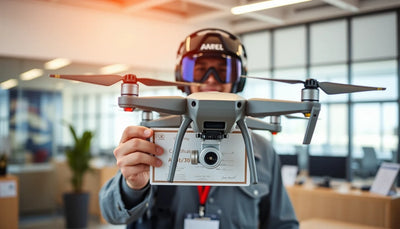
Indoor video decision brief
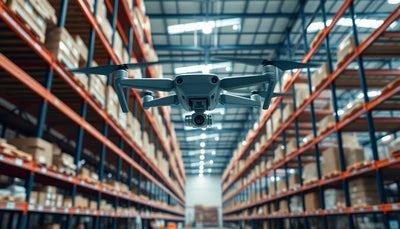
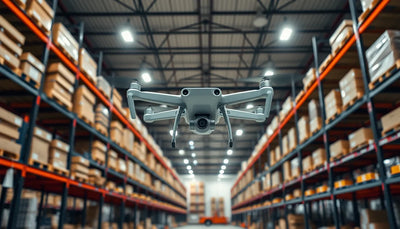
For indoor video, sound, people, property and venue conditions matter before a model comparison. This page helps a production team frame an evidence-based choice, not rely on unverified sound-test claims.
Decision route
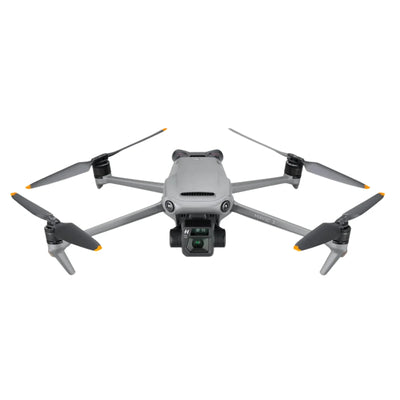
Start with DJI Drone Comparison 2026 to decide whether this is the right model pair for the production. Verify the specific aircraft through the Air 3S model reference and Air 2S model reference, then compare the documented kit against current pre-owned DJI Air-series options.
What should an indoor video plan establish first?


Why is a fixed sound ranking not enough?
Comparable public sound data may not exist for the exact aircraft, condition or room. Even where a measurement is available, it does not settle the conversation level, room reflections, microphone placement or client expectation. Treat the actual venue review as the decision point and maintain an alternative plan for sensitive audio.
How should a pre-owned model choice be made?
First compare the project requirement with the documented condition and included equipment of the exact unit. Then assess the venue and current responsibilities separately. The model label alone cannot establish that an indoor production is suitable, quiet or permitted.
Related Reboot Hub paths
Frequently asked questions
Can this page prove one model is quieter indoors?
No. A meaningful sound outcome depends on the actual aircraft, propellers, room, people, microphones, planned movement and venue conditions. Do not treat generic sound figures as a promise for a client shoot.
What should be decided before using an Air 3S or Air 2S indoors?
Establish venue permission, people and property conditions, the operator's responsibilities, current local requirements, sound tolerance and an alternative camera plan.
Should a buyer choose from a fixed indoor noise ranking?
No. Compare the documented condition of the exact kit with the project needs, then perform an appropriate controlled review before relying on it.
Why should dialogue recording have an alternative plan?
Aircraft sound can be material in a quiet room. An alternative ground-camera or separately recorded-audio plan keeps the production decision from resting on an unsupported sound claim.
What should a pre-owned buyer keep with the equipment record?
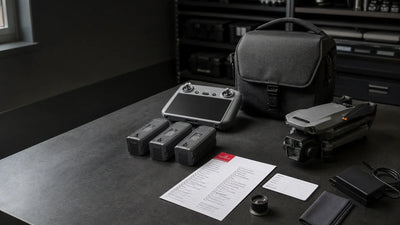
Keep the exact included-equipment list, serial and seller evidence, condition record, batteries and controller information, and the project-specific review notes together.
Keep exploring
Further reading
From The Reboot Hub Chronicle


From Drone Guides