Support & Learning / Module 8 branch
Symptoms, Evidence and Diagnosis
Before this lesson: Drone Repair Complete Guide
What you will understand
- Know what to record, when to stop and when service begins.
- Separate observable evidence from assumptions before choosing an action.
- Continue through the main lesson path or enter a focused topic branch when needed.
Crash evidence before parts or price
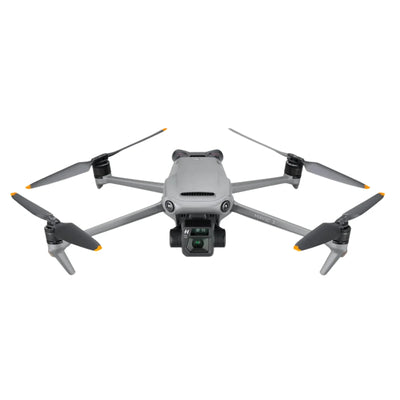
A DJI Avata 2 that still starts after a crash is not automatically ready to fly. Its integrated propeller guard, single camera and gimbal, downward and backward visual positioning, propulsion system, battery retention, DJI Goggles 3 and DJI RC Motion 3 context all belong in one evidence record. This guide explains how to preserve crash evidence, identify cost drivers, obtain a written quote and make a repair or replace decision without relying on a fabricated flat-rate matrix.
Quick answer
Ground the aircraft, preserve crash evidence and approve only a written scope
Photograph the exact Avata 2 and complete kit before moving damaged areas, stop if the battery, guard, camera, motor or structure is unsafe, and record the full warning plus what remains normal. Do not order a part from one symptom or prove stability with another flight. Ask for a written diagnosis that connects evidence to scope, cost drivers, calibration and post-repair acceptance, then compare that complete path with a transparent exact-unit replacement.
DJI Avata 2 · crash repair · series repair estimates by path
Each USD figure is a historical series-level estimate for the listed repair path, not a quote for this exact aircraft. Diagnosis determines the parts, labor, calibration, and testing needed.
| Repair path | Estimated USD range | When to consider it |
|---|---|---|
| Gimbal upper / lower bracket | $35 | Impact or alignment damage is limited to the gimbal support structure. |
| Signal cable | $25 | The camera or control signal path is interrupted or impact-damaged. |
| Lens frame and motor | $30 | Lens-frame impact, motor load, or stabilization-frame damage is confirmed. |
| Lens rear cover | $15 | Rear-cover or housing damage is limited to the lens assembly area. |
| Lens cover plate | $20 | The protective lens-area plate is cracked or impact-damaged. |
| Lens module | $50 | The optical module is damaged but a complete camera assembly is not required. |
| Complete camera assembly | $80 | The camera stack is damaged as an assembly. |
| Downward vision sensor | $40 | Ground sensing, low-altitude positioning, or downward-vision faults are confirmed. |
| ESC module / board | $70 | Propulsion warnings, motor-control faults, water exposure, or ESC-stage damage. |
| Motor (per unit) | $20 | One motor is confirmed damaged and adjacent systems remain serviceable. |
| Main board | $160 | Main-board fault isolation or replacement planning is required. |
What evidence should exist before an Avata 2 crash repair decision?
What should you do immediately after an Avata 2 crash?
Do not begin with another flight. Keep people clear, power the aircraft down if that can be done safely and photograph the complete scene before moving loose or distorted areas. Record the direction of impact, surface, whether the motors stopped, whether the battery moved, any moisture or debris, and whether the aircraft was powered again. Then photograph the integrated propeller guard, body seams, front camera and gimbal support, motors, propellers, battery and visible positioning surfaces. The first question is whether another power-on is safe, not whether the aircraft can still hover.
If the battery is damaged, wet, hot, swollen or cannot latch securely; if the guard or body is distorted; if a motor is obstructed; or if the camera support appears displaced, keep the aircraft grounded. Do not force parts back into shape or spin motors to see whether they clear. Preserve the exact condition for intake. A successful startup does not prove structural, camera, positioning, battery or control readiness. Reboot Hub should turn that uncertainty into a documented decision rather than reassure the customer from one superficial sign.
What crash evidence makes an Avata 2 diagnosis stronger?
Build one packet around the exact aircraft, DJI Goggles 3, DJI RC Motion 3 or represented controller, battery and reported event. Include photographs from useful angles, the complete warning, original footage when available, what remained normal, and the order of events before and after impact. State whether there was previous service, moisture, repeated impact or any action taken afterward. Keep serial and account details private while preserving them in the service record where needed for exact-unit identity.
Describe observations rather than conclusions. A useful note says the preview remained available but the gimbal showed resistance, or one rear positioning warning appeared after impact, instead of declaring a failed camera or sensor. This distinction allows the diagnosis to consider alternatives and reduces unnecessary parts replacement. It also gives the customer a fair approval boundary: confirmed evidence, suspected areas, untested functions and the next safe step are visible before commitment. The result should explain why the proposed scope fits this incident, not only this model name.

How should the integrated propeller guard and body be assessed?
The integrated propeller guard is part of the Avata 2 structure and airflow environment. Photograph cracks, abrasion, deformation, spacing around each motor and any area that contacts the body. Review shell seams, battery retention and the relationship between guard, motors and camera housing without opening the aircraft. A mark can be cosmetic, but a distorted guard can change clearance or reveal a broader structural concern. External evidence alone cannot certify hidden condition, so the written diagnosis should state what was observed and what needs qualified evaluation.
Do not heat, bend, trim or glue the guard as a public shortcut. Do not run a motor against contact or resistance. The proposed repair scope should identify whether the finding is localized or connected to other structure, propulsion or camera concerns. If the visible guard is addressed, post-repair acceptance still needs to cover the complete powered-off geometry and propulsion path. The customer should not receive a visually cleaner aircraft with unresolved alignment, battery-retention or motor concerns hidden behind a generic crash repair label.
What should be checked about Avata 2 propellers and motors?
With the aircraft powered off and battery removed when appropriate, inspect every propeller for chips, cracks, deformation, looseness and foreign material. Observe each motor area for impact marks, contamination and obvious obstruction without forcing rotation. Record whether a motor stopped during the event and any abnormal sound, smell or heat reported before power-down. Propeller damage can be visible, while motor, mounting or related structure concerns may require professional evaluation. One smooth motor does not establish that the complete propulsion system is flight-ready.
Do not mix propellers, use undocumented substitutions or perform repeated startup tests to identify a noisy motor. The diagnosis should connect propulsion findings to the crash direction, guard geometry and represented power system. A quote should state which parts and tests are included and whether additional findings require approval. After service, acceptance should address installed propellers, motor behavior, warnings and controlled low-risk flight only after safe ground checks. This evidence chain is more useful than a broad statement that all motors passed.
How should the Avata 2 camera and gimbal be evaluated after impact?
Separate image output, preview, recording and physical gimbal behavior. Photograph the front camera and support without forcing movement. Preserve sample media when the aircraft can be powered safely, and record blur, artifacts, horizon error, vibration, missing preview, abnormal startup movement or physical obstruction as distinct observations. A visible image does not prove that the gimbal support and recording path are normal, and a missing preview does not by itself prove that the camera assembly is the cause.
Gentle external cleaning may be appropriate under current product guidance, but calibration should not be used as a blanket answer to collision damage. The diagnosis should explain whether the evidence relates to capture, movement, physical support, storage, preview or a broader communication path. Post-repair acceptance should cover image clarity under suitable conditions, recording and storage, supported gimbal behavior, horizon, preview and the original warning. The customer needs proof of the represented imaging system, not only a photograph of a replaced visible part.

What do downward and backward visual positioning warnings mean after a crash?
DJI Avata 2 uses downward and backward visual positioning evidence in its operating system, so preserve the exact warning and the environmental context in which it appears. Check only safe exterior cleanliness and obstruction. Dark, reflective, transparent or low-texture surfaces can affect visual systems, but a persistent warning after impact should not be dismissed as lighting without a suitable comparison. Record whether the issue appears at startup, on the ground or only during ordinary supported operation and note related attitude or positioning messages.
Never fly toward an object or into a difficult environment to prove a positioning concern. Begin with controlled ground evidence, then move persistent symptoms to qualified diagnosis and supported testing. The service result should explain which environmental causes were considered, which functions were assessed and what remains uncertain. Post-repair acceptance must recreate only a suitable safe condition and document the original warning state. One warning-free startup is not a universal approval for every floor, light level or flight environment.
How should DJI Goggles 3 and DJI RC Motion 3 be included in diagnosis?
Identify the exact represented control kit. Record power, linking, preview, control response, warnings and whether the concern follows DJI Goggles 3, DJI RC Motion 3, another supported controller context or the aircraft. Protect private account information and avoid relying on a single cable, battery or environment as proof. A crash can coincide with a control or viewing symptom without proving that the aircraft camera is damaged, and correct recording does not prove the viewing path is stable.
Use controlled ground observations before flight. Do not conduct a distance test when command, video or response is unstable. The written diagnosis should state which goggles and controller were represented and whether any comparison equipment was used. Post-repair acceptance should confirm supported linking, controls, preview, recording and warning state with the customer's supplied or agreed kit. This prevents a common handover failure: the aircraft works on the service provider's equipment but the customer's actual combination remains unresolved.
How should battery and power concerns be separated after impact?
Inspect the battery externally for swelling, deformation, damaged contacts, moisture, odor, unusual heat and secure retention. Inspect the aircraft bay and latch surfaces without opening either device. If condition or retention is uncertain, isolate the battery from ordinary use and do not charge or power it again. Record indicator behavior, the full warning and whether the battery moved during impact. A no-power symptom does not establish whether the battery, connection, aircraft or several paths are involved.
A controlled comparison may be useful only when all represented equipment is physically suitable and compatible. Record whether the concern follows one battery and what remains normal. The quote should say whether a battery is included, excluded or requires separate handling, and how stable power, charging context and retention will be accepted. Shipping and battery safety can affect the service route, so those boundaries should be written before dispatch. Reboot Hub should remove that uncertainty rather than leaving the customer to discover it after a shipment begins.
Do Avata 2 warning messages identify the failed part?
No. A warning is evidence about an observed state, not a complete parts diagnosis. Preserve the full wording, timing, crash history, represented controller and what remains normal. Several systems can contribute to a warning, and one incident can affect guard geometry, camera support, positioning, power and link at the same time. Clearing a message once does not prove the original concern is resolved, while a repeated message does not automatically identify one replaceable assembly.
The diagnosis should show the observation chain: reported event, exact symptom, external findings, controlled comparisons, alternatives considered, proposed action and remaining unknowns. It should state any supported calibration or testing requirement without promising that a settings action repairs physical damage. If the conclusion is based only on a generic warning or no-power condition, the customer should request more reasoning before approving an expensive assembly. Evidence protects both the customer and the service provider from an overconfident parts guess.
What are the real Avata 2 crash-repair cost drivers?
Cost drivers include incident severity, affected structure, guard, propulsion, camera and positioning paths, battery involvement, previous opening, exact replacement condition and availability, required calibration, control-equipment involvement, acceptance testing, shipping and the owner-approved scope. Two aircraft with similar exterior marks can need different work when one has stable image and positioning evidence while the other has connected warnings. A fixed public matrix would hide those differences and make unlike quotes appear comparable.
Ask for a written quote that separates findings, parts, labor or service work, calibration, testing, shipping, exclusions, unknowns and the boundary for renewed approval. Avoid a vague all-inclusive crash repair line. The customer should know why each action is recommended and what could change the scope. Reboot Hub's commercial advantage should be visible here: exact-unit evidence, transparent condition, customer-specific scope and written terms, not an unrealistically simple price that moves uncertainty into the repair.
What should a written Avata 2 diagnosis and quote contain?
The document should identify the exact Avata 2, represented goggles, controller and battery; repeat the customer's concern; summarize verified findings; and connect each proposed action to evidence. It should distinguish confirmed damage from suspected damage and untested functions. Include replacement condition and provenance, calibration and acceptance requirements, shipping responsibility, exclusions and what happens if deeper qualified inspection changes the scope. The customer should not need to infer whether camera, positioning, propulsion or control evidence is included.
A clear approval boundary allows the owner to accept, decline or ask questions before parts are committed. Reboot Hub should think from the customer's point of view and proactively address likely worries: hidden crash extent, battery retention, camera and gimbal status, controller relationship, positioning evidence, return timing, tested functions and written support terms. Unknowns should remain visible instead of being converted into certainty. This transparency is what makes a premium, customized service path different from an anonymous listing or a generic crash quote.
When should you repair or replace a crashed Avata 2?
Repair can make sense when damage is bounded, connected systems remain suitable, exact parts and required procedures are available, and the complete supported scope fits intended use and downtime. Replacement may be stronger when impact spans several safety-relevant systems, structure or battery retention is uncertain, moisture creates broad unknowns, previous work reduces confidence, exact repair cannot be validated or the full scope no longer fits the owner's plan. Startup and familiarity are not sufficient reasons to accept unresolved flight risk.
Compare like-for-like documented paths. Include the goggles, controller and batteries that remain useful, exact replacement condition, compatibility, acceptance evidence, delivery time and written terms. Reboot Hub can support either route without hiding the tradeoff: a customer-approved repair scope with release evidence, or an exact-unit replacement with visible condition and supplied-item disclosure. The stronger decision is the one that removes the customer's reasonable concerns with evidence, not the one that produces the lowest headline number.
What should Avata 2 post-repair acceptance include?
Begin with exact-unit identity, powered-off inspection and confirmation of the approved scope. Ground checks should address battery retention and power, guard and body geometry, propellers and motors, warnings, DJI Goggles 3 and DJI RC Motion 3 linking, control response, preview, recording, gimbal behavior and downward and backward visual positioning evidence under suitable conditions. State which controller, goggles and battery were represented. Any excluded or untested function should remain in the written result.
Only after those checks are satisfactory should a controlled flight be considered in a suitable legal low-risk environment. Define stop conditions before takeoff and begin with limited exposure relevant to the original crash concern. Preserve warning state and the result. Acceptance does not certify every site, maneuver or future battery. It shows that the exact repaired system met a documented boundary under stated conditions. That is the evidence needed for a responsible return-to-service decision and for any later support conversation.
Keep exploring
Further reading
From The Reboot Hub Chronicle
From Drone Guides