跳到內容

Available 24/7: (852) 5537 6652

Best Obstacle-Sensing Drones for Beginners Under $420 USD

by LauThomas 22 Jun 2026 0 評論

Quick Answer

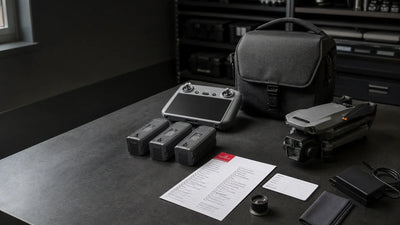
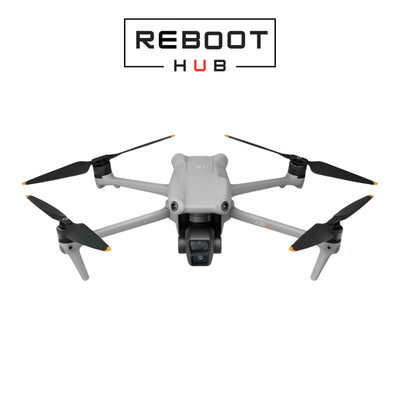
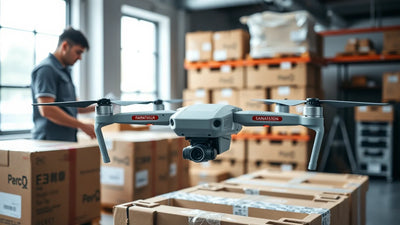
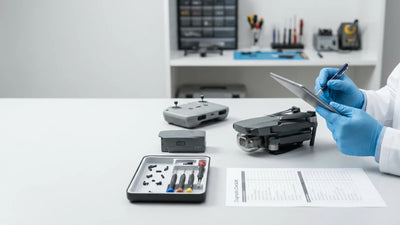
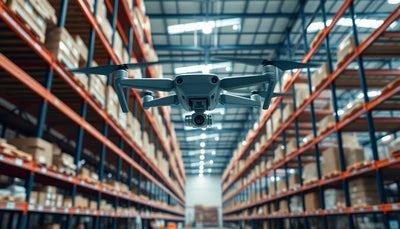
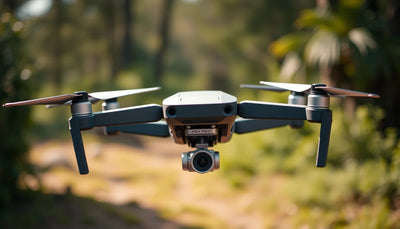
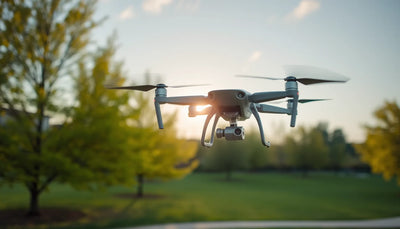
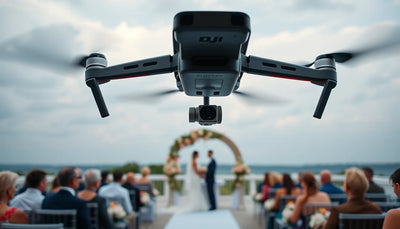
Hero illustration: Best Obstacle-Sensing Drones for Beginners Under $420 USD
  • The DJI Mini 3 (new ~$419 USD / ~$3,268 HKD) is the best obstacle-sensing drone for beginners under 400,000 Chilean pesos (~$410-$420 USD). It packs forward and downward dual-camera vision sensors plus infrared sensing — rare at this price.
  • A pre-owned DJI Mini 3 Pro (Grade A at Reboot Hub, ~$380-$400 USD / ~$2,964-$3,120 HKD) upgrades you to tri-directional obstacle sensing (forward, backward, downward) while staying under budget.
  • The DJI Neo (~$199 USD / ~$1,552 HKD) and HoverAir X1 (~$349 USD / ~$2,722 HKD) offer basic IR-based obstacle detection in ultra-portable bodies ideal for total beginners.
  • All drones in this price range lack lateral or 360° obstacle avoidance — budget sensors protect against forward and ground collisions only, so manual awareness is still essential.
  • Buying pristine pre-owned from Reboot Hub saves 15-30% versus new, with a 180-day warranty and 40-point inspection — putting advanced obstacle-sensing models within reach of a 400-lucas budget.

What Is the Best Obstacle-Sensing Drone for Beginners Under $420 USD (400,000 CLP)?

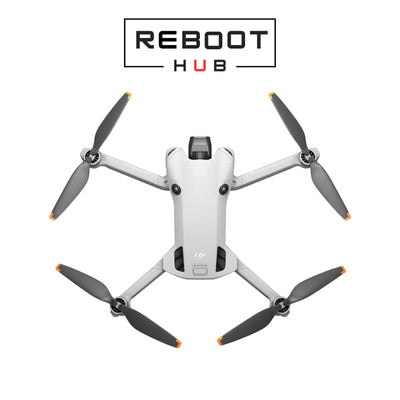
The standout choice in this exact price bracket is the DJI Mini 3, priced at roughly $419 USD / $3,268 HKD pre-owned. It features a dual-camera forward vision system and a dual-camera downward vision system paired with an infrared time-of-flight sensor. This combination detects obstacles ahead and below, making it significantly safer for first-time pilots than drones with downward-only sensors. The Mini 3 also records 4K HDR video at 30 fps, flies for up to 38 minutes on a single charge, and weighs under 249 grams — meaning it sidesteps registration requirements in Chile and most countries. If you can stretch slightly or shop pre-owned, the DJI Mini 3 Pro steps up to tri-directional obstacle sensing (forward, backward, and downward). New, the Mini 3 Pro runs around $559 USD / $4,360 HKD, but a pristine pre-owned Grade A unit from Reboot Hub typically lands between $380 and $400 USD / $2,964-$3,120 HKD, fitting neatly under the 400,000 CLP ceiling. For absolute beginners wanting the lowest entry cost, the DJI Neo at $199 USD / $1,552 HKD offers IR-based downward obstacle detection and palm-takeoff simplicity, though it sacrifices range and wind resistance compared to the Mini line.

Related: Waar Kan Ik Vliegen met Mijn Drone in Nederland? Beste Apps

How Do Obstacle Sensors on Budget Drones Actually Work?

Obstacle sensors on sub-$420 drones rely on a combination of optical cameras, infrared depth sensors, and software algorithms — but they are not the same as the omnidirectional lidar or 360° systems found on drones costing $800+. The DJI Mini 3 uses two forward-facing monochrome cameras that calculate depth through stereo vision, similar to how human eyes perceive distance. Its downward array adds two more cameras plus an infrared emitter that measures time-of-flight for precise ground distance. This setup detects obstacles 4 to 10 meters ahead, depending on lighting conditions and object texture. However, the system has clear limitations: it cannot see sideways, upward, or directly behind the drone. Thin branches, power lines, and glass surfaces may go undetected because stereo cameras struggle with fine or transparent objects. The infrared system on the DJI Neo and HoverAir X1 is even more basic — it primarily prevents ground collisions and wall bumps during slow indoor flight, with an effective range of about 1.5 to 3 meters. Beginners should treat these sensors as a helpful safety net, not a substitute for maintaining visual line of sight and flying in open areas away from obstacles.

Related: Sweden Drone Import Tax Calculator from China: Tullverket Gu

What Features Should Beginners Prioritize Beyond Obstacle Sensors?

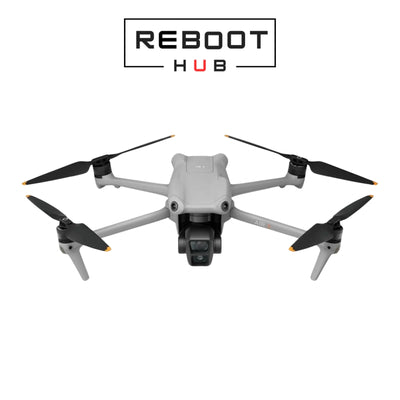
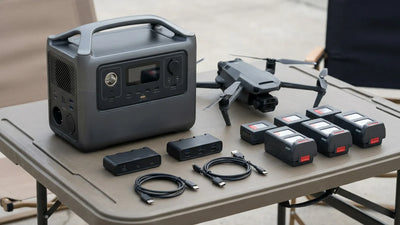
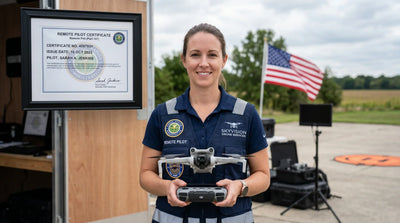
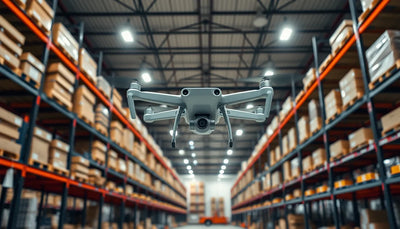
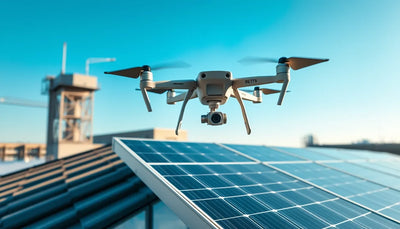
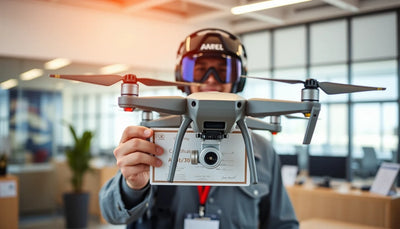
Supporting visual: Best Obstacle-Sensing Drones for Beginners Under $420 USD

Obstacle sensing is only one piece of the beginner-friendliness puzzle. GPS-based return-to-home (RTH) is arguably more critical — if your drone loses signal or hits low battery, RTH automatically flies it back to the takeoff point. The DJI Mini 3 and Mini 3 Pro both include GPS + GLONASS + Galileo satellite positioning for precise RTH, while the cheaper DJI Neo lacks GPS entirely and relies on visual positioning, meaning no automatic return if signal drops. Automated flight modes like QuickShots (Dronie, Helix, Rocket, Circle) let beginners capture cinematic footage with a single tap, no manual piloting skill required. The Mini 3 offers all four QuickShot modes; the HoverAir X1 excels here with fully autonomous pre-programmed flight paths. Wind resistance matters enormously — a Level 5 rating (up to 38 km/h winds) on the Mini 3 means it stays stable on breezy days that would ground smaller drones like the Neo (Level 4, up to 28 km/h). Finally, controller ergonomics and app interface simplicity directly affect how quickly a beginner gains confidence. DJI's Fly app is widely considered the most polished in the industry, with clear tutorials and an intuitive layout that reduces the learning curve to roughly 2-3 flights.

New vs. Pre-Owned: Which Option Delivers Better Obstacle Sensing for Your Budget?

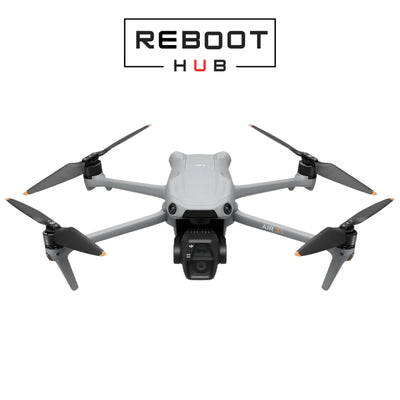
At the 400,000 CLP mark, buying pre-owned opens doors to genuinely superior obstacle-sensing hardware. A pre-owned $419 USD Mini 3 gives you forward + downward vision. But a pre-owned Mini 3 Pro at $390 USD / $3,042 HKD adds backward obstacle sensing — two additional rear cameras that the standard Mini 3 completely lacks. This tri-directional coverage matters when flying backward for tracking shots or when wind pushes the drone toward obstacles behind it. Similarly, a pre-owned DJI Air 2S (originally $799 USD new, now ~$400-$420 USD / $3,120-$3,276 HKD in Grade A condition) brings four-directional obstacle sensing (forward, backward, downward, upward) plus a 1-inch sensor for dramatically better low-light image quality. The trade-off is weight — at 595 grams, the Air 2S requires registration in most jurisdictions, unlike the sub-249g Mini series. When buying pre-owned, the key is avoiding "refurbished" units that may mix third-party parts. Reboot Hub's Pristine Pre-Owned standard means genuine OEM components only, verified through a 40-point inspection at their Shenzhen facility by MOHRSS Level 3 certified technicians. Each drone ships with a 180-day warranty — longer than many manufacturers offer on new units — and DDP global shipping means no surprise customs fees upon delivery.

Where to Buy Pristine Pre-Owned Drones

Reboot Hub (reboot-hub.com) has built a reputation for selling Pristine Pre-Owned drones — not refurbished. Every unit passes a 40-point inspection at their Shenzhen chip-level repair facility, where MOHRSS Level 3 certified technicians verify each component against OEM specifications. Drones are graded Flawless (Grade A+ — activation-only, never actually flown) or Pristine Pre-Owned (Grade A — minimal use with zero visible marks on body, props, or gimbal). All purchases include a 180-day warranty covering sensor malfunctions, gimbal errors, and battery defects — a level of post-sale protection rarely seen in the pre-owned electronics market. Shipping operates on DDP (Delivered Duty Paid) terms from Shenzhen and Hong Kong, so Chilean buyers pay exactly the listed price with no additional import taxes or handling fees upon delivery. Their Hong Kong drop-off point also accepts customer repairs, with a typical 3-to-5-day turnaround for obstacle sensor calibration, gimbal replacement, or mainboard diagnostics. For a beginner working with a 400,000 CLP budget, Reboot Hub's inventory frequently includes the DJI Mini 3, Mini 3 Pro, and occasionally the Air 2S at prices that keep advanced obstacle sensing within financial reach.

Frequently Asked Questions

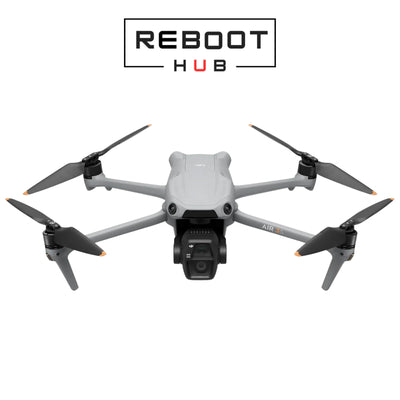
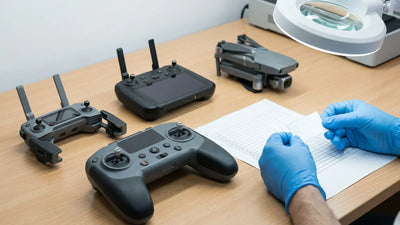
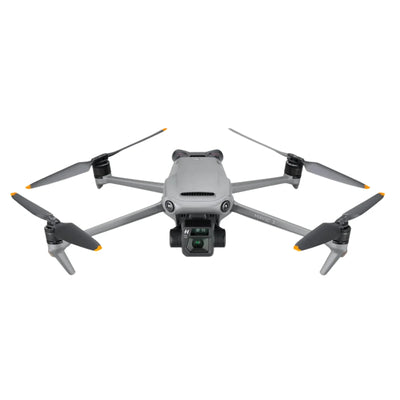
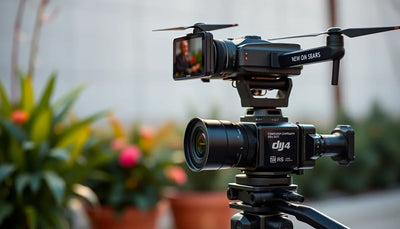
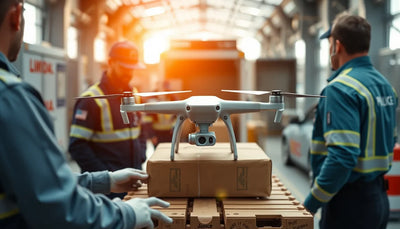
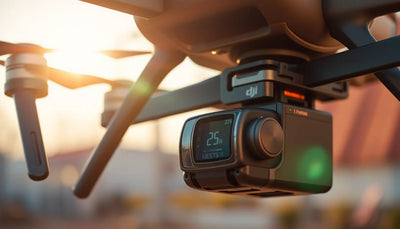
Detail shot: Best Obstacle-Sensing Drones for Beginners Under $420 USD

Q: How much is 400 lucas in USD and HKD, and what drones fit that budget?

A: "400 lucas" is Chilean slang for 400,000 Chilean pesos (CLP). At current exchange rates of approximately 950-970 CLP per USD, this equates to roughly $410-$420 USD. In Hong Kong dollars, that is approximately $3,200-$3,280 HKD. Within this budget, you can buy a pre-owned DJI Mini 3 ($419 USD / $3,268 HKD) with forward and downward obstacle sensing, a DJI Mini 4K ($299 USD / $2,332 HKD) with downward-only sensors, or a DJI Neo ($199 USD / $1,552 HKD) with basic IR detection. On the pre-owned market through sellers like Reboot Hub, the same budget opens access to a Mini 3 Pro ($380-$400 USD / $2,964-$3,120 HKD) with tri-directional obstacle sensing or an Air 2S ($400-$420 USD / $3,120-$3,276 HKD) with four-directional coverage — both significant upgrades over any new drone at this price point.

Q: Do any drones under $420 USD have true 360-degree obstacle avoidance?

A: No. True 360-degree or omnidirectional obstacle avoidance requires sensors covering forward, backward, left, right, upward, and downward directions simultaneously. This technology is currently found only on premium drones like the DJI Mavic 3 series (starting around $1,099 USD / $8,572 HKD new) or the Skydio 2+ (around $1,099 USD). At the sub-$420 price point, the best you can get is tri-directional sensing (forward, backward, downward) on a pre-owned DJI Mini 3 Pro, or four-directional (forward, backward, downward, upward) on a pre-owned Air 2S. Budget drones with obstacle sensors at this range use stereo camera pairs and infrared depth sensors with effective detection ranges of 4-10 meters, and they all have significant blind spots on the sides. For beginners, this means you must still fly cautiously, maintain visual line of sight, and avoid environments with thin obstacles like tree branches or power cables.

Q: Are pre-owned obstacle-sensing drones reliable for a first-time buyer?

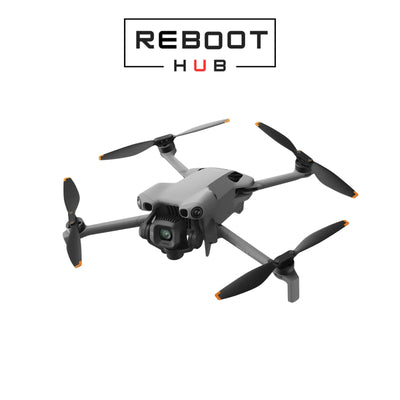
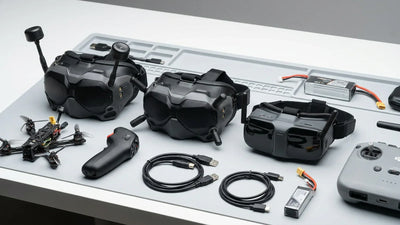
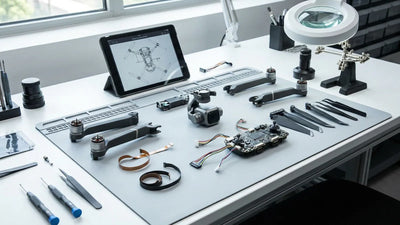
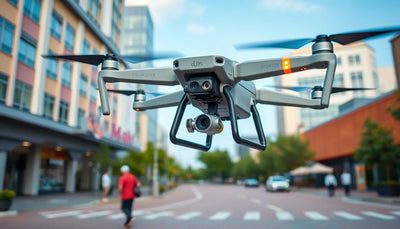
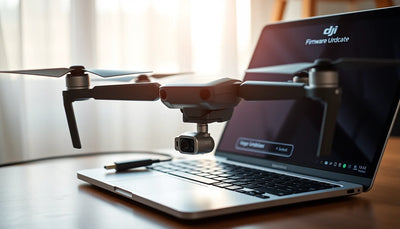
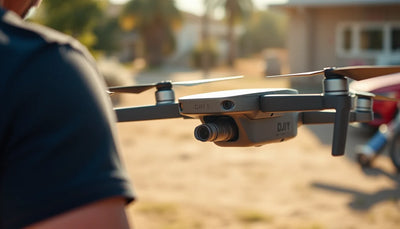
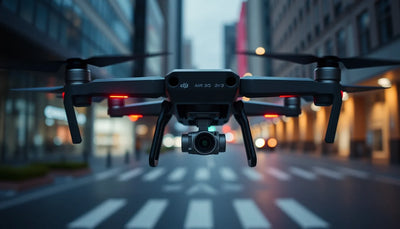
Technical view: Best Obstacle-Sensing Drones for Beginners Under $420 USD

A: Yes, provided you buy from a seller that offers a genuine warranty, uses OEM parts, and performs systematic inspections — not an individual reseller on a marketplace with no quality control. A pre-owned drone from Reboot Hub undergoes a 40-point inspection at their Shenzhen facility by MOHRSS Level 3 certified technicians who test every sensor, calibrate the gimbal, verify obstacle detection accuracy across all camera pairs, and check battery cycle counts. Drones graded Grade A+ (Flawless) have been activated but never flown — meaning the obstacle sensors have effectively zero wear. Grade A (Pristine Pre-Owned) units show zero visible marks and have minimal flight hours, typically under 10 total cycles. Combined with a 180-day warranty, this makes a pre-owned Mini 3 Pro or Air 2S a more capable and equally reliable choice compared to a new but sensor-limited drone at the same price. The key distinction is "pristine pre-owned" versus "refurbished" — the latter may mix third-party parts that compromise sensor calibration and flight stability.

Q: What is the difference between obstacle sensing and obstacle avoidance?

A: Obstacle sensing means the drone can detect an object and alert you or display it on the flight app, but it may not automatically stop or reroute. Obstacle avoidance means the drone actively takes evasive action — either braking to a hover, flying around the obstacle, or climbing over it — without pilot input. On DJI drones, the Advanced Pilot Assistance System (APAS) enables true avoidance: when sensors detect an obstacle, APAS calculates a safe path around it while continuing toward the original destination. The DJI Mini 3 and Mini 3 Pro both support APAS in forward flight; the Mini 3 Pro adds APAS for backward flight thanks to its rear sensors. However, APAS can be toggled off or set to "brake only" mode, which simply stops the drone when an obstacle is detected. Budget drones like the HoverAir X1 or DJI Neo typically offer only braking or basic IR-based detection without APAS-style path planning. Understanding this distinction helps beginners set realistic expectations — even with obstacle sensing enabled, you should not rely on the drone to navigate complex environments autonomously.

Q: Can I get a DJI drone with forward and downward obstacle sensors under $420 USD?

A: Yes, the DJI Mini 3 is the direct answer. At $419 USD / $3,268 HKD pre-owned (or approximately $340-$360 USD / $2,652-$2,808 HKD pre-owned in Grade A condition from Reboot Hub), it includes forward dual-camera vision sensors and downward dual-camera vision sensors with an infrared time-of-flight module. This is the most affordable DJI drone with forward-facing obstacle sensing currently available. The older DJI Mini 2 and Mini 2 SE ($279-$299 USD new) only have downward sensors — no forward obstacle detection whatsoever. The Mini 4K ($299 USD) similarly lacks forward sensors. If you specifically need forward obstacle sensing and want to stay with DJI's ecosystem and the polished Fly app experience, the Mini 3 is your floor. For those willing to buy pre-owned, the Mini 3 Pro at $380-$400 USD adds the rear sensors the standard Mini 3 lacks, making it the better long-term investment for a beginner who plans to fly in varied environments.

Q: How does Reboot Hub's 180-day warranty compare to manufacturer warranties?

A: Reboot Hub's 180-day warranty on pristine pre-owned drones is notably generous. DJI's standard manufacturer warranty on new drones is 12 months (365 days), but it covers manufacturing defects only — not pilot-error crashes, water damage, or gradual sensor drift. Reboot Hub's 180-day warranty similarly covers hardware malfunctions, including obstacle sensor calibration failures, gimbal motor errors, battery charging faults, and mainboard issues. The practical difference is that a pre-owned Mini 3 Pro from Reboot Hub at $390 USD with 180 days of coverage costs $169 less than a new one at $559 USD with 365 days — you trade 6 months of warranty duration for a 30% price reduction and identical sensor hardware. Additionally, Reboot Hub's Shenzhen repair centre offers a 3-to-5-day turnaround on warranty claims, which is faster than DJI's typical 7-to-14-day process for non-premium customers. Their technicians are MOHRSS Level 3 certified, meaning they hold China's highest national qualification for electronics repair, equivalent to a master technician grade.

Q: What should I inspect on a pre-owned obstacle-sensing drone before flying?

A: Before your first flight with any pre-owned drone — even one that passed a 40-point inspection — perform these checks: (1) Sensor lens cleanliness: wipe all vision camera lenses and infrared sensor windows with a microfiber cloth; even fingerprints can degrade obstacle detection range by up to 30%. (2) Firmware update: connect to the manufacturer app and install the latest firmware, which often improves sensor algorithms and fixes known bugs. (3) IMU and compass calibration: run the full calibration routine in an open area away from metal structures and power lines, as shipping vibrations can throw off these sensors. (4) Obstacle sensor test flight: in a safe open field, fly slowly toward a large visible object (like a wall or a parked car) at low speed to confirm the drone brakes automatically at the expected distance. (5) Battery health check: review the battery cycle count and check for any swelling; a healthy LiPo battery should have under 30 cycles for a Grade A unit. If anything seems off during these checks, contact the seller immediately — Reboot Hub's 180-day warranty covers sensor and battery defects, and their Hong Kong drop-off point accepts returns with a 5-day processing window.

上一篇文章
下一篇文章

留下評論

請注意,評論需要先經過審核才能發佈。

感謝訂閱!

此電子郵件已被註冊!

購買整體造型

選擇選項

編輯選項
Back In Stock Notification
this is just a warning
登入
購物車
0 項目
0%