A serial number, account screen or seller statement does not establish the status of a particular used-drone offer. Keep the exact item, identifiers, seller identity, invoice, condition evidence, available official or local response and written terms together. Item history, seller evidence and future compatibility are separate questions.
What should a buyer establish before paying for a used drone in the Czech Republic?
Decision layer
Evidence to retain
What it can establish
What it cannot establish
Exact item
Aircraft, controller, batteries, accessories, identifiers, condition and supplied-item list
What is offered
That a serial label alone proves the item
Seller and transaction
Seller identity, invoice, payment route, written condition, delivery and return terms
Who offers it
A platform or account label as proof
Evidence review
Clear item photos, live evidence where appropriate, available official or local channels and written responses
What can be checked
A guaranteed status or outcome
Compatibility boundary
Intended region, account, controller, language and local-use questions
What still needs confirmation
That authenticity evidence settles every later-use question
Decision boundary
Item, seller, transaction and evidence records aligned before payment
Whether to proceed
A universal used-equipment outcome
Make the exact item and its evidence visible before money moves
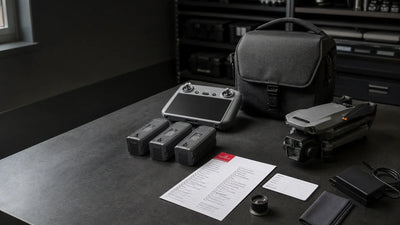
The useful buying record is the actual equipment and the written evidence around it, not a marketplace description or generic claim. Reboot Hub's role is to show the offered unit, its condition and supplied items clearly, surface what is known and unknown, and keep written transaction terms visible. The customer should still pause when the item and evidence do not align.
How should a team turn the review into an action plan?
Action
What to retain
Step 1
Record the exact aircraft, controller, batteries, accessories, identifiers, condition and supplied items.
Step 2
Keep seller identity, invoice, payment route and written delivery and return terms together.
Step 3
Request clear item evidence and use available official or local channels for the actual facts.
Step 4
Separate authenticity evidence from compatibility and intended-use questions.
Step 5
Do not pay when item, seller, transaction or evidence records conflict.