Skip to content

Drone Crash Evidence: Before Any Test Flight

Post-incident information brief

A quick visual check, an app message or an old repair price does not establish the condition of a drone after an incident. Keep the exact unit, batteries, visible condition, incident record, media, error evidence and a written diagnostic scope together. Do not treat this page as an instruction to fly a possibly damaged aircraft; pause and use an appropriate qualified diagnostic path.

What should an owner establish after a drone incident before considering a test flight?

Decision layer Evidence to retain What it can establish What it cannot establish
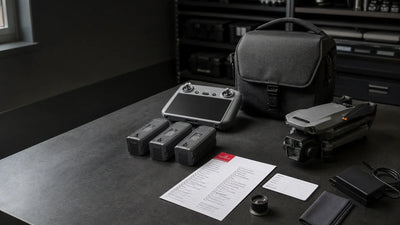
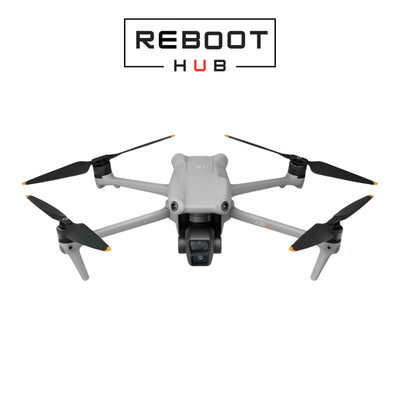
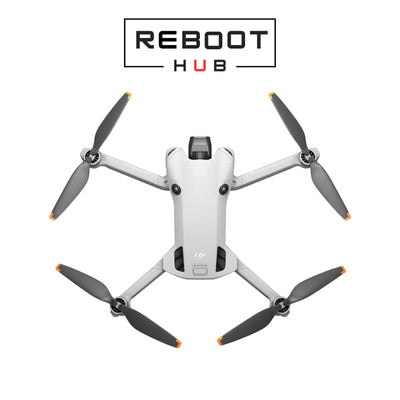
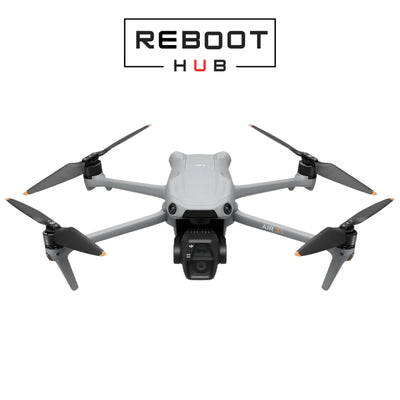
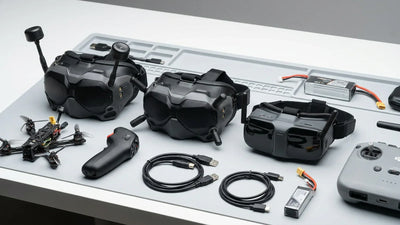
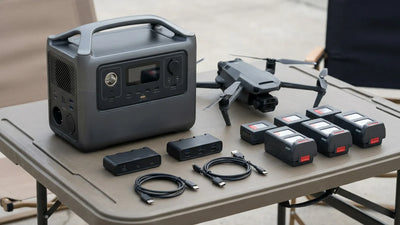
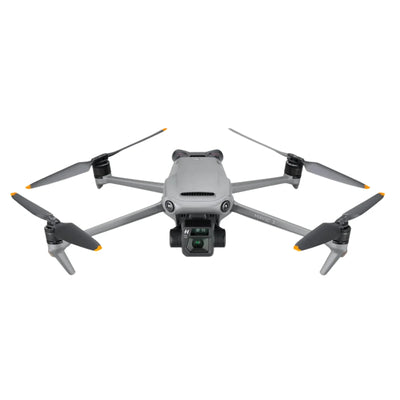
Exact unit Aircraft, controller, batteries, accessories, identifiers, condition and supplied-item list What equipment is affected That a generic post-incident claim describes this unit
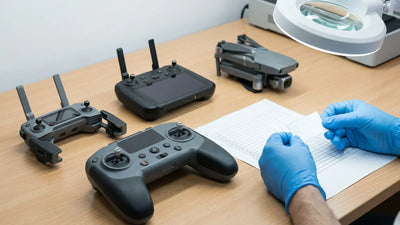
Evidence and history Clear condition record, known incident or service evidence, seller or owner record and unresolved questions What is known That an undocumented history can be assumed away
Written scope Actual service, diagnostic, transaction, delivery or return terms where relevant What is offered or needed A guaranteed repair, coverage or safety outcome
Decision boundary Stop conditions, current provider or appropriate authority review and a non-flight alternative How to proceed safely A fixed legal, performance or support conclusion
Customer record Exact item, history, written scope and current response aligned Whether to proceed A universal used-equipment result
Post-incident drone evidence brief with exact kit, visible condition, diagnostic scope and current-review records

Make the unit history and written scope visible before acting

The customer-first path is to surface the actual unit, its known history, supplied items and written support or transaction boundary. Reboot Hub should explain what evidence is available and what remains unknown. A claim about inspection, repair or coverage is not a substitute for a current diagnosis or written scope for the specific unit.

How should a team turn the review into an action plan?

Action What to retain
Step 1 Record the exact aircraft, controller, batteries, accessories, identifiers, condition and supplied items.
Step 2 Keep known history, incident or service evidence, and unresolved questions in one record.
Step 3 Read the actual written service, diagnostic, delivery or return scope before acting.
Step 4 Use a qualified provider or appropriate current channel for the specific unit when diagnosis is needed.
Step 5 Do not fly, buy or ship when the evidence and the written scope conflict.

Related Reboot Hub paths

Related Reboot Hub path Use it for
Drone Wiki model reference hub Identify the exact aircraft and supplied kit
DJI Drone Comparison 2026 Compare documented model roles
Drone grading standard Review condition evidence
The Reboot Hub Standard Understand documented equipment review
Professional drone repair Review diagnostic and repair scope
Warranty and repair guides Understand written support boundaries

Frequently asked questions

Can a general warranty or inspection statement decide a specific unit's outcome?

No. Use the exact unit, its history and the written scope.

What should be recorded before a repair or purchase decision?

Keep exact-kit, condition, known history, service evidence and written terms together.

Can a visible check replace a current diagnosis?

No. Visible evidence and diagnostic scope answer different questions.

Why define a stop condition?

It prevents the customer from acting when the evidence is incomplete.

Does this page promise repair, coverage or safety?

No. It is an evidence-first guide.

Prev post
Next post

Leave a comment

Please note, comments need to be approved before they are published.

Keep exploring

Further reading