Vietnam vs Brazil Used Drone Import: Evidence Before Payment
Vietnam and Brazil cross-border buyer brief
A country comparison, historic tariff table or product price does not settle the treatment of a particular used-drone order. Keep the exact equipment, seller, invoice, payment, batteries, carrier, destination and current written responses together before deciding between routes.
What should a buyer compare before shipping a used drone to Vietnam or Brazil?
Decision layer
Evidence to retain
What it can establish
What it cannot establish
Exact offer
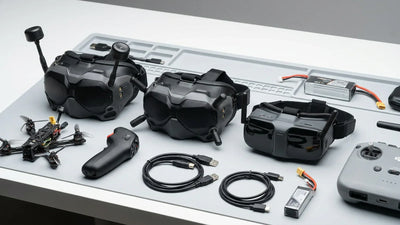
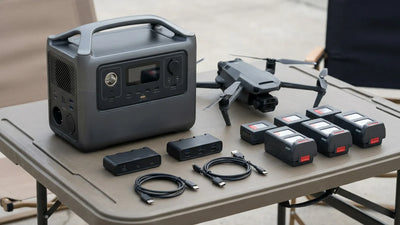
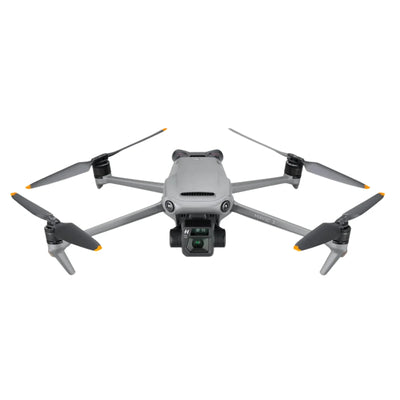
Aircraft, controller, batteries, accessories, version, condition, supplied-item record and serial where available
What is actually being purchased
That a generic product family settles the shipment
Seller and transaction
Named seller, itemised invoice, payment route and written terms
What the buyer has agreed to buy
A fixed landed cost or support outcome
Destination route
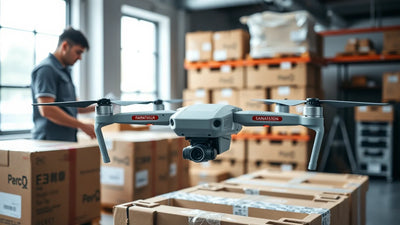
Actual destination, importer or recipient, carrier and declared-item information
What questions apply to the stated movement
That one country's example answers another's
Current review
Current appropriate response based on complete order facts
What needs confirmation before payment
A copied duty, tax, exemption or timing conclusion
Receiving evidence
Unboxing, condition, supplied kit, identifiers and exception record
What arrives at destination
That a listing proves delivered condition
Why should a country comparison not become a tax promise?
A comparison can help a buyer organise questions. It cannot replace current answers for the actual equipment, seller, carrier and destination. Reboot Hub helps the customer keep the offer transparent: exact kit, condition, supplied items and written purchase terms should be clear before the destination route is evaluated.
How should a team turn the review into an action plan?
Action
What to retain
1. Identify the exact kit
Record aircraft, controller, batteries, accessories, version, condition and supplied items.
2. Preserve the seller record
Keep seller identity, itemised invoice, payment route and written terms.
3. Describe each proposed route
Record the actual destination, recipient, carrier and declared-item facts.
4. Seek current written answers
Use complete facts for the relevant destination route before relying on cost assumptions.
5. Plan the receiving record
Keep unboxing, condition, kit and identifier evidence for the delivered unit.