DJI Propeller Authenticity in Canada: Evidence Before Use
Propeller authenticity and compatibility brief
Quick answer
- A QR code, sticker or package photograph is a lead, not standalone proof that a propeller is genuine, compatible or safe to use on a particular aircraft.
- Start with the exact aircraft, the required propeller type, the seller record, the purchase trail and clear photographs of the actual parts before money moves.
- If a propeller appears damaged, misshapen, corroded or loose, pause and follow the correct manufacturer-supported replacement route for the actual model.
- Keep product authenticity separate from Canada operating questions. A component purchase does not decide where or how an aircraft may be used.

What evidence makes a propeller offer more credible?
| Evidence layer | What to collect | What it supports | What it cannot prove alone |
|---|---|---|---|
| Aircraft match | Exact aircraft and compatible propeller guidance | That the offered part belongs to the real kit | A similar-looking propeller fits every drone |
| Seller record | Seller identity, purchase trail and listing history | Who can explain the origin of the part | A new marketplace account |
| Package evidence | Clear views of the actual package and part | That the evidence relates to the offered item | Authenticity or safe condition by itself |
| Visible condition | Blades, mounting area and storage condition | Whether there is a reason to pause | That no hidden damage exists |
| Replacement path | Current manufacturer-supported material for the model | How to source the correct part | A generic accessory listing |

Why is a QR code not enough to prove a propeller offer?
A code, label or box image may help a buyer ask better questions, but it does not connect the actual blade in the seller's hand to the buyer's aircraft. A copied code, a reused package image or a correct-looking label can still leave compatibility, condition and seller history unresolved.
Treat package material as one part of a buyer file. The file should also identify the aircraft, the required propeller type, the seller, the actual parts, the purchase record and the visible condition. That approach is more durable than treating one scan result as a final verdict.
What should a buyer request before paying?
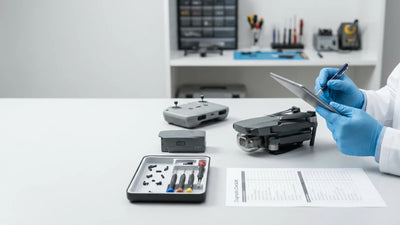
Ask the seller for clear views of the actual propeller set, packaging if present, mounting area, part markings where visible and the purchase trail they can provide. Keep the listing, seller identity and payment record together. The purpose is to establish what is being sold, not to ask the buyer to become a forensic examiner.
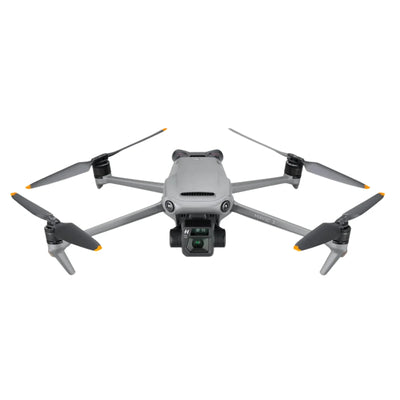
Match the part to the exact aircraft through current model-specific manufacturer material. Do not choose a blade because it appears close in size or shape to another model's part. A correct part path begins with the aircraft in front of the buyer, not a broad product-family label.

Which visible condition signs should stop the purchase or use decision?
Visible damage, distortion, corrosion, looseness or uncertain mounting condition is enough to pause. It does not diagnose every possible issue, but it means the part should not be treated as event-ready or client-ready based on a seller assurance. Preserve the images and ask for a proper replacement path.
A clean-looking blade also does not settle every question. The buyer should keep the component record with the aircraft record, especially for a pre-owned kit. That gives later maintenance, repair or support a clear starting point instead of an unsupported claim that the propeller was verified online.
How should a buyer use the Spare Parts structure?
Use the Drone Wiki to identify the model context, then use the Spare Parts collection to move from aircraft to component. The useful path is model first, compatible part second, and physical condition review before use. This is the structured alternative to searching a broad marketplace for the word propeller.
For a pre-owned aircraft, keep the propeller record alongside the seller, serial, controller, battery and condition evidence. A well-documented component decision supports later inspection and replacement work without making a promise about flight outcome or the authenticity of unrelated items.

What does Canada add to the buying decision?
Canada changes where the buyer may source or use the aircraft, but it does not change the need to match the exact part to the exact model. Keep purchase evidence, component compatibility and aircraft condition separate from the current operating information for the intended location.
The calmer decision is to choose a documented compatible part, inspect the real item and follow the correct model-specific support path. Do not make a flight or client commitment because a listing displays a code, a logo or a broad statement about Canadian use.
Use the Drone Wiki for model and compatibility context, then return to the action path above.
Keep exploring
Further reading
From The Reboot Hub Chronicle

From Drone Guides