Skip to content

Quiet Wildlife Drone Planning in Swedish Forests

Sweden low-disturbance wildlife observation brief

A wildlife observation goal, a quiet-drone claim and a forest location are separate inputs. Start with the observed species context, exact kit, responsible site contact, stop criteria and a ground alternative; do not use a decibel figure, propeller claim or historic forest article as a promise that animals will not be affected.

What should a Sweden team establish before proposing drone-supported wildlife observation in a forest?

Decision layer Evidence to retain What it can establish What it cannot establish
Observation brief Species context, observation question, season, responsible contact and ground alternative What the team is trying to observe That aerial observation is appropriate for every species or season
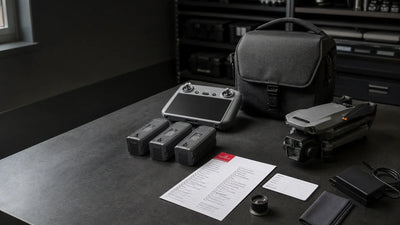
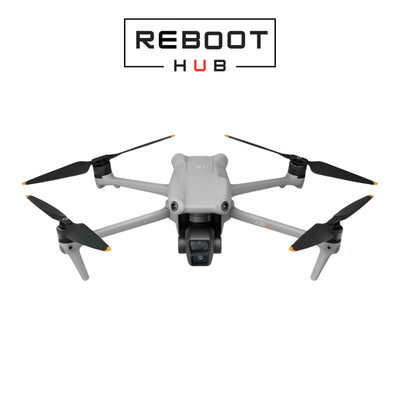
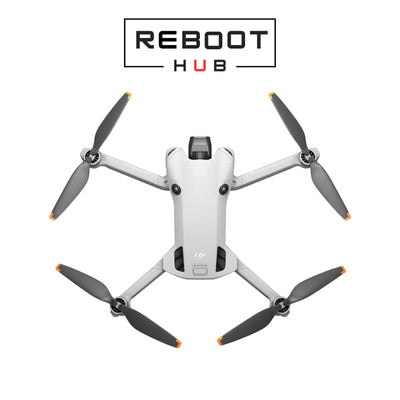
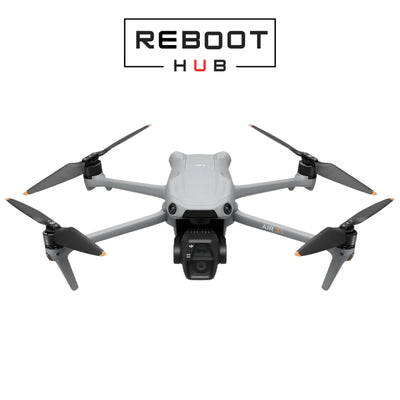
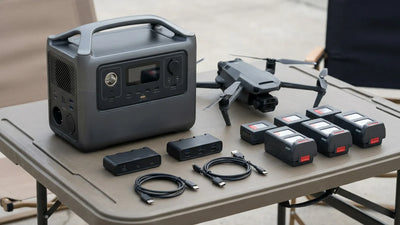
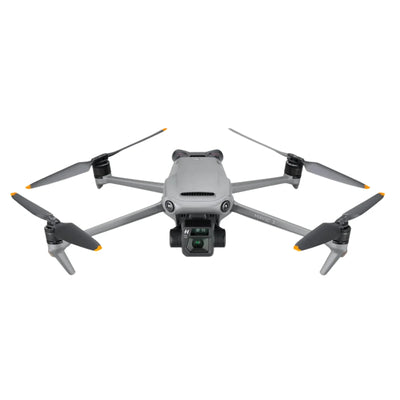
Exact kit Aircraft, controller, camera, batteries, accessories, serial, condition and included-items record Which individual system is proposed A result for another configuration
Low-disturbance boundaries Observed behavior, distance or route priorities, stop criteria and alternate method How the team plans to avoid unnecessary disturbance A fixed animal-response result
Current site route Responsible site contact and current location information relevant to the proposed observation Which site questions need current confirmation Access or approval based on a general forest guide
Observation file Brief, kit, current responses, observed context, stop decision and ground alternative What the team evaluated for the visit Permission for another species, place or date
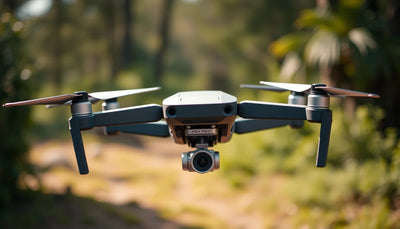
Wildlife observation brief, compact DJI kit and Swedish forest planning records organized for a low-disturbance project review

Why is a low-disturbance plan more useful than a single noise claim?

Wildlife context can change with species, season, terrain, people and the observed response on the day. A numerical noise statement cannot predict that response. A low-disturbance plan gives a team clear observation priorities, stopping criteria and an alternative method while keeping the current site route separate.

How should a team turn the review into an action plan?

Action What to retain
1. Define the observation question Record the species context, evidence needed, season, responsible contact and ground alternative.
2. Preserve the exact kit record Keep aircraft, controller, camera, batteries, accessories, serial, condition and included-items evidence together.
3. Set low-disturbance boundaries Record observed context, route priorities, stopping criteria and the alternate method.
4. Confirm the current site route Use the responsible current route for the actual forest context and proposed observation.
5. Retain the observation file Keep the brief, kit, current responses, observed context, stop decision and ground alternative together.

Related Reboot Hub paths

Related Reboot Hub path Use it for
Drone Wiki model reference hub Identify the exact product family
DJI Drone Comparison 2026 Compare documented model roles
Drone grading standard Review condition evidence for the exact unit
The Reboot Hub Standard Understand documented equipment review
DJI Mini 4 Pro Wiki Research a documented compact aircraft family
Pre-owned DJI inventory Review documented equipment options
Seller and serial evidence guides Document the exact supplied unit before purchase

Frequently asked questions

Can a quiet-drone article promise that wildlife will not be disturbed?

No. Species context, season, observed response, exact kit and current site route need their own project review.

Why use a ground alternative?

It protects the observation goal when an aerial element is not appropriate for the available context.

What belongs in a low-disturbance plan?

Keep the observation question, observed context, route priorities, stop criteria, current site response and alternate method together.

Does a forest guide establish access for wildlife observation?

No. Use the responsible current route for the actual location, season and proposed observation.

When should the observation plan be reviewed?

Review it when the species context, season, site, kit, observed response or evidence need changes.

Prev post
Next post

Leave a comment

Please note, comments need to be approved before they are published.

Keep exploring

Further reading