Skip to content

Night Warehouse Drone Inventory: Noise and Site Planning

Warehouse information brief

A quietness claim, sensor assumption or drone listing does not establish what is appropriate for a particular warehouse inventory project. Keep the facility contact, staff and asset context, intended data output, exact system, operator, safety boundary, alarm or operational considerations and a ground alternative together. Site access, people, equipment, safety and data questions are separate current reviews.

What should a team establish before planning warehouse inventory work with a drone?

Decision layer Evidence to retain What it can establish What it cannot establish
Site and affected people Exact warehouse, responsible contact, people, animals, staff or guests, timing and intended output What inventory work is proposed That a model or accessory label predicts the experience
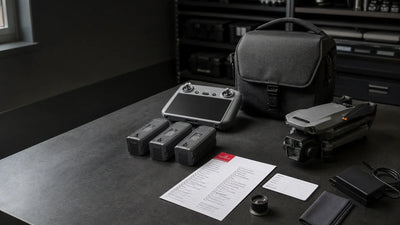
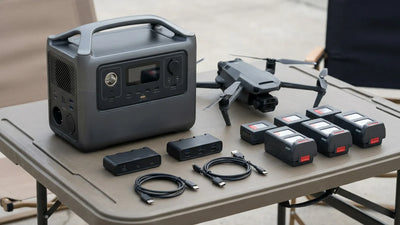
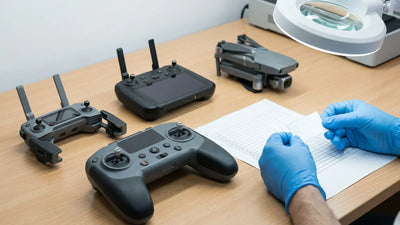
Exact system Aircraft, propellers or accessories, controller, batteries, identifiers, condition and supplied-item evidence What equipment is proposed That a generic noise claim proves site fit
Sound and safety boundary Venue conditions, distance, people separation, operator, stop conditions and ground alternative How impact is assessed A fixed sound level or outcome at every site
Current review Actual site, people, equipment and operator facts with current appropriate response What needs confirmation A guaranteed permission, noise or operational conclusion
Decision boundary Written site, equipment and boundary facts aligned with current responses Whether planning can proceed A universal quiet-operation claim
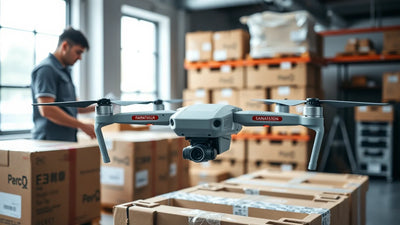
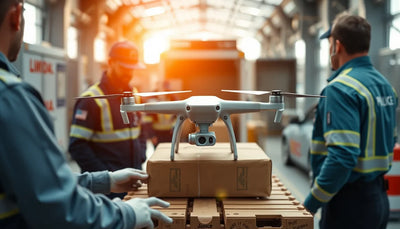
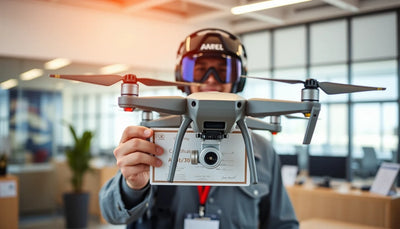
Warehouse inventory drone planning brief with site, staff, exact kit and current-review evidence

Treat sound as a site and people question, not a ranking promise

Sound perception changes with the site, people, distance, weather, buildings and the actual condition of the equipment. Keep the affected parties, exact system, capture boundary and a ground alternative visible. Do not rely on a claimed decibel figure or a generic “quietest” ranking as a promise for a real location.

How should a team turn the review into an action plan?

Action What to retain
Step 1 Write the exact warehouse, responsible contact, timing and intended inventory work.
Step 2 Record people, animals, staff or guests, venue conditions and a ground alternative.
Step 3 Keep the exact aircraft, propellers or accessories, batteries and condition evidence together.
Step 4 Define operator, distance and stop conditions using the actual site facts.
Step 5 Proceed only when site, affected parties, equipment and current information align.

Related Reboot Hub paths

Related Reboot Hub path Use it for
Drone Wiki model reference hub Identify the exact aircraft and supplied kit
DJI Drone Comparison 2026 Compare documented model roles
Drone grading standard Review condition evidence
The Reboot Hub Standard Understand documented equipment review
Drone scenario solutions Plan around the actual site and output
DJI enterprise drone collection Review documented enterprise equipment categories

Frequently asked questions

Can a quoted decibel figure decide a real site?

No. Sound depends on the actual site, people, distance, conditions and equipment.

What should a noise-sensitive project brief include?

Keep site, affected parties, intended output, exact system, boundary and alternatives together.

Can a “quietest” ranking guarantee a venue outcome?

No. It is not a substitute for current site-specific assessment.

Why retain a ground alternative?

It protects the output when aerial work is not supported by current conditions.

Does this page promise quiet operation or a filming result?

No. It is an evidence-first planning guide.

Prev post
Next post

Leave a comment

Please note, comments need to be approved before they are published.

Keep exploring

Further reading