Skip to content

Jakarta Night-Market Drone Planning: Evidence First

Jakarta night-market content planning brief

A low-light claim, camera-setting recipe or compact-drone label does not decide a particular night-market shoot. Start with the actual venue, people, exact kit, requested footage, ground alternative and current responsible-route answers.

What should a team establish before a Jakarta night-market drone shoot?

Decision layer Evidence to retain What it can establish What it cannot establish
Venue and people Responsible venue contact, sellers, visitors, staff, neighbours, access and a ground alternative What the night-market setting involves That a content idea grants access
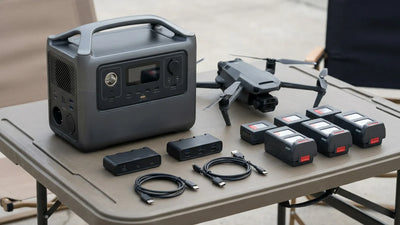
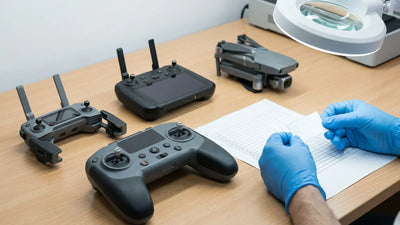
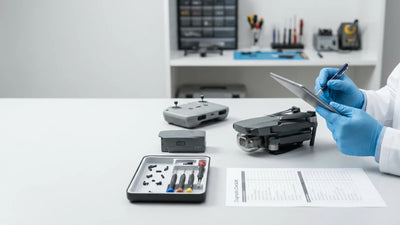
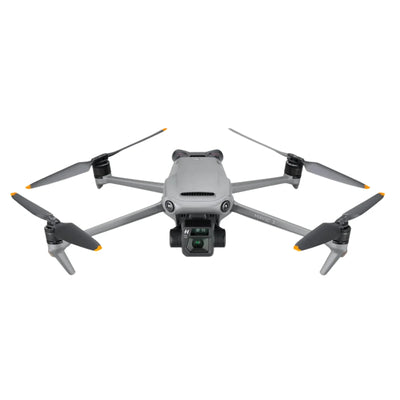
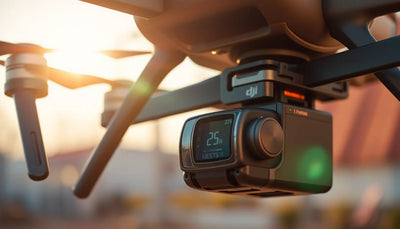
Exact kit Aircraft, controller, batteries, camera configuration, serial, condition and supplied-item record What system is actually proposed A universal low-light or sound result
Capture boundary Requested footage, people visible, privacy expectations, delivery scope and data handling What content is planned That a scene description settles privacy or safety
Observed conditions Actual light, crowd, weather, space and equipment status What needs live assessment That a past setting recipe guarantees footage
Current route Current responsible route for the stated venue, people and activity What requires confirmation That an old guide determines permission or outcome
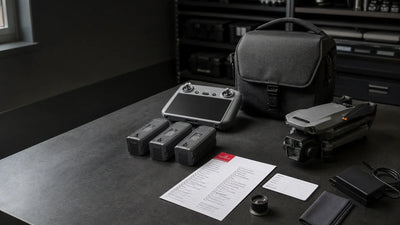
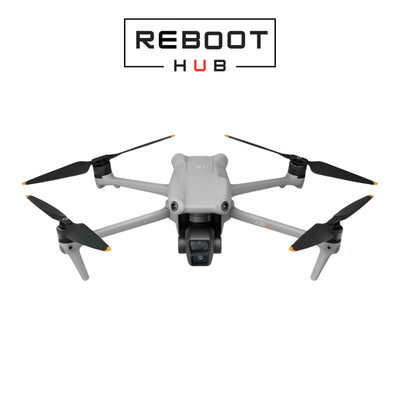
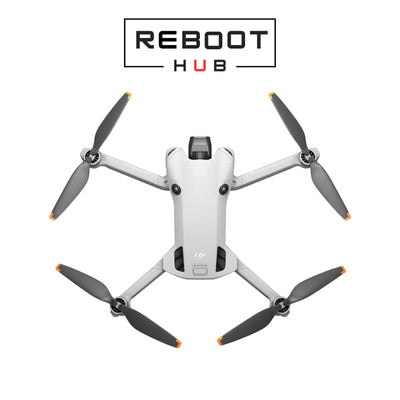
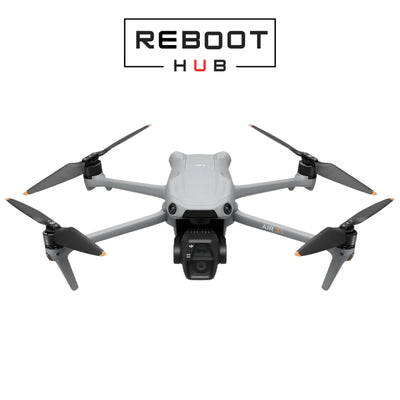
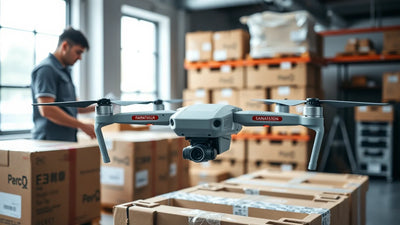
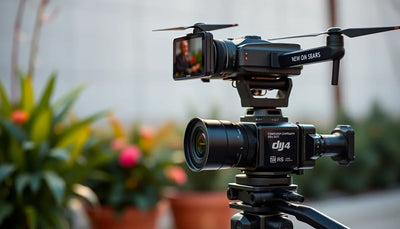
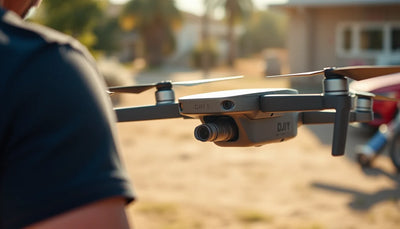
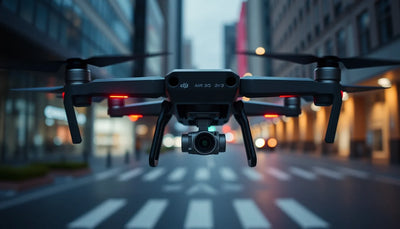
Jakarta night-market content brief with documented DJI kit, venue context and capture-boundary evidence

Why should a night-market shoot be planned from the venue rather than a camera claim?

The venue and its people determine the practical context. A documented kit and capture boundary help the team choose a conservative plan, but they do not turn a low-light feature claim into an access, safety or footage promise.

How should a team turn the review into an action plan?

Action What to retain
1. Write the actual content request Record the venue, people, required footage and a ground alternative.
2. Document the exact kit Keep aircraft, controller, batteries, camera setup, serial and condition evidence together.
3. Define the capture boundary Write what may be filmed, who may appear and how material will be handled.
4. Observe the conditions Assess the real light, crowd, space and equipment status on the session date.
5. Use a current route Confirm the current venue and responsible route for the actual plan.

Related Reboot Hub paths

Related Reboot Hub path Use it for
Drone Wiki model reference hub Identify the exact aircraft and supplied kit
DJI Drone Comparison 2026 Compare documented model roles
Drone grading standard Review condition evidence before purchase
The Reboot Hub Standard Understand documented equipment review
Seller and serial evidence guides Document a supplied unit before purchase
Pre-owned DJI inventory Compare documented equipment options

Frequently asked questions

Does this page provide a guaranteed low-light setting?

No. Light, crowd, space, equipment condition and the requested footage need current assessment.

What should be planned first?

Start with the venue, people, required content and a realistic ground alternative.

Why document the exact kit?

It keeps the aircraft, controller, batteries, camera setup and condition visible for the actual plan.

Does a camera feature grant venue access?

No. Access and capture questions need a current responsible route.

When should aerial capture stop?

Stop when venue, people, conditions, equipment or written answers do not support it.

Prev post
Next post

Leave a comment

Please note, comments need to be approved before they are published.

Keep exploring

Further reading