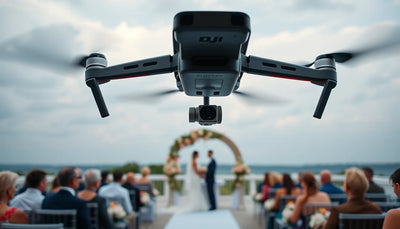
Drone Low Over Water: Fishing Observation Planning
Water-observation information brief
A drone model, a fishing objective and a water location do not establish how wildlife will react or whether an aerial element is appropriate. Describe the actual water environment, people nearby, wildlife context, exact kit and intended observation before using current local information for the proposed activity. Keep shore-based observation or camera coverage available for the same objective.
What should a fishing-observation team establish before proposing a drone near water?
Decision layer
Evidence to retain
What it can establish
What it cannot establish
Observation goal
What needs to be observed, why, when, from where and a shore-based alternative
What the activity aims to document
That an aerial view is necessary
Water and wildlife context
Water body, access, weather observations, people nearby, visible wildlife and site contact where relevant
Which surroundings need care
How a species or animal will respond
Exact kit
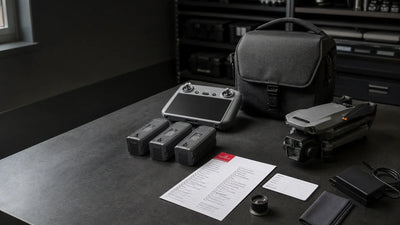
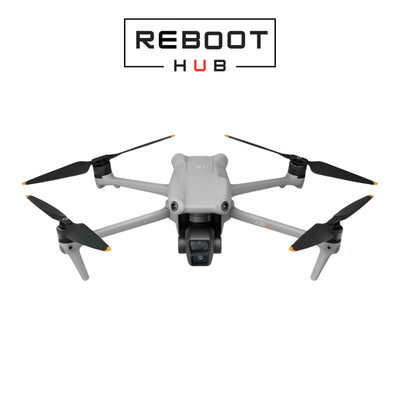
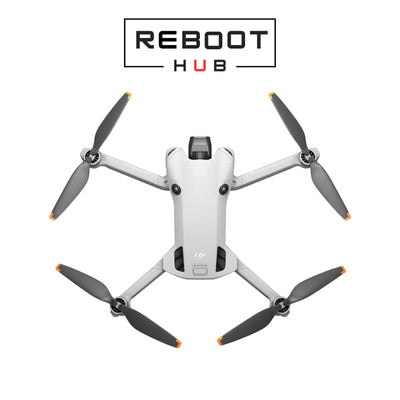
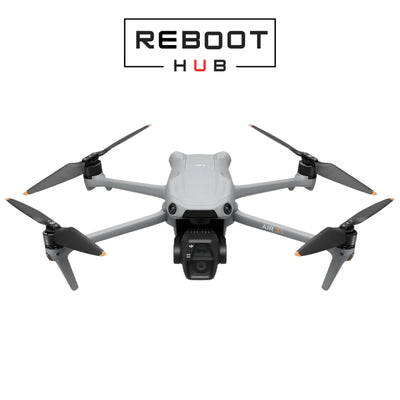
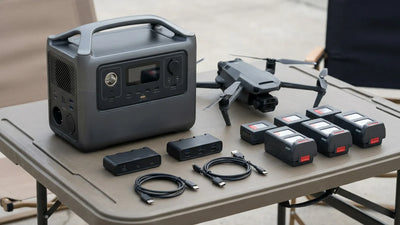
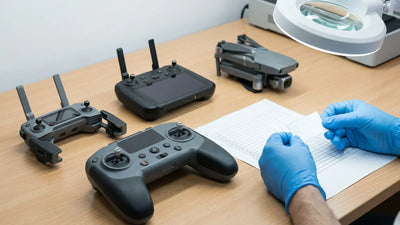
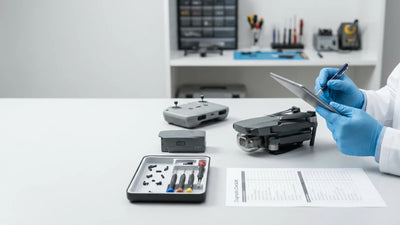
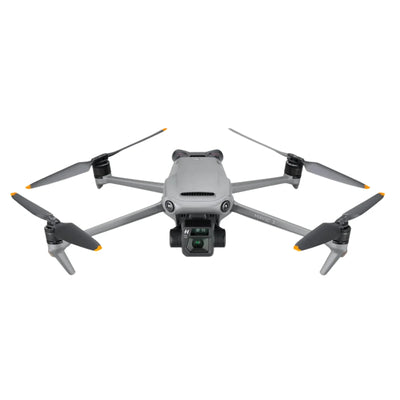
Aircraft, controller, batteries, accessories, serial, condition record and planned camera frames
Which system is proposed
That another kit has the same site fit
Current route
Actual place, activity, people context, equipment and dates through relevant current routes
Which questions need present review
A copied height, distance, permit, weather or operating conclusion
Alternative observation
Shore camera, binocular observation, delayed visit, different viewpoint or other non-flight plan
How the goal can continue
That flight must proceed
Why should wildlife response stay separate from an equipment setting?
A setting describes one part of an exact system. Wildlife, water conditions, people and the purpose of the observation are separate facts that change by site and time. Keeping a cautious project record avoids presenting a product feature, a previous outing or a general fishing claim as proof that animals will not be disturbed.
How should a team turn the review into an action plan?
Action
What to retain
1. Define the observation goal
Record what needs to be observed, why, the time and a shore-based alternative.