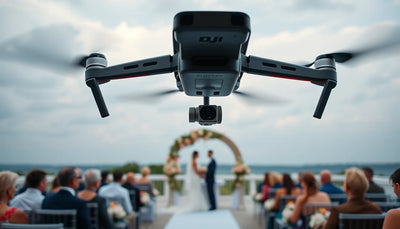
DJI Mini 5 Pro for Indian Indoor Weddings: Event Safety Planning
Indian indoor event planning brief
Quick answer
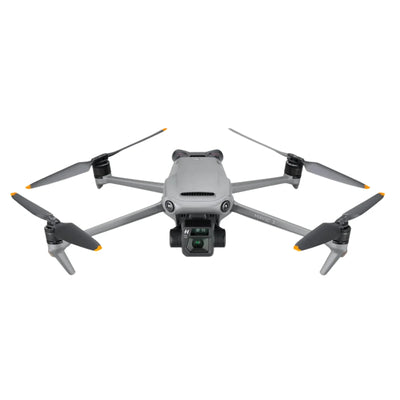
- The named DJI Mini aircraft should be treated as one possible camera tool, not as proof that an indoor marriage hall is suitable for aerial filming.
- Before the event, align venue approval, current local requirements, guest protection, the actual kit condition and a grounded coverage plan that works without an aircraft.
- Do not build the plan around no-GPS claims, sensor thresholds, a special mode or a change to a system response. Those details are not a substitute for an event-specific safety decision.
- When the room becomes crowded, the working area disappears or the aircraft condition is uncertain, pause the aerial element and use the prepared ground coverage.

How should an Indian indoor wedding team plan the camera approach?
| Planning question | Useful evidence | Action it supports | Do not assume |
|---|---|---|---|
| Venue conditions | Written contact and current event restrictions | Whether an aircraft is even considered | An indoor room is suitable by default |
| Guest protection | Named coordinator and clear working boundary | How people are kept out of a camera activity | A guest knows the plan |
| Aircraft condition | Actual aircraft, controller, batteries and record | Whether the kit is appropriate to bring | A model name proves readiness |
| Delivery | Ground-camera positions and handoff plan | Continuous event coverage | Aerial footage is essential |
| Escalation | Named decision-maker and pause criteria | A calm change of plan | Stopping means the job failed |

Why is the event brief more important than the model name?
A model name can help a buyer research a product, but it cannot describe the ceiling, people, lighting, access routes or responsibilities in a particular marriage hall. The event brief should begin with the couple's required coverage and the venue's conditions, then decide whether an aerial camera has a limited, justified role.
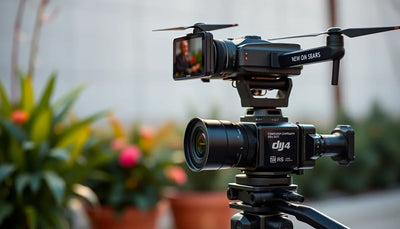
This protects the client from a fragile plan. The photographer and video crew can capture arrival, ceremony and reception moments with grounded cameras even if the venue changes the room layout or the aerial element is removed. The aircraft becomes optional equipment within a reliable service, not the reason the service succeeds.
What should be agreed with the venue before the day?
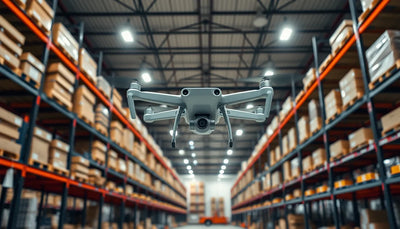
Use a written venue contact and ask which event conditions, access restrictions and safety expectations apply. Confirm the current local route for the location and mission rather than copying a statement about indoor use from another city, hotel or social post. The team should also identify a coordinator who can communicate any change to the crew.
A practical plan describes boundaries in ordinary language. It identifies where crew equipment is placed, how guests are guided away from a camera activity and when the room will become unsuitable for it. This preparation is more meaningful than a generic promise that a compact aircraft is safe indoors.

How should the actual aircraft be assessed before an assignment?
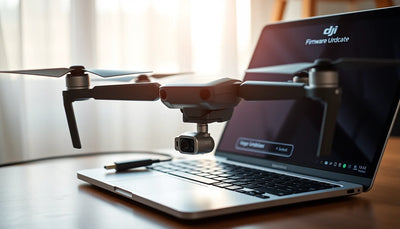
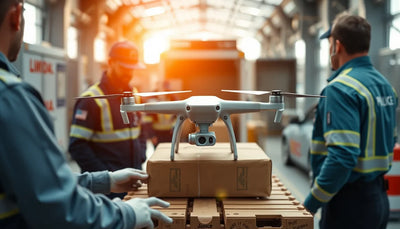
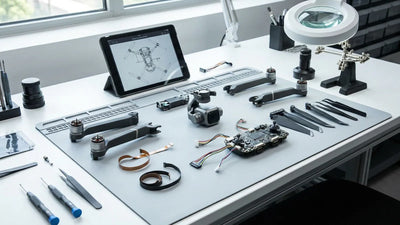
Bring only a kit whose aircraft, controller, batteries and condition record are known to the operator. A buyer should retain the seller trail, unit identity and ordinary condition evidence so a concern can be isolated before the event. An unresolved support or repair issue belongs in a separate assessment, not in a live ceremony plan.
Do not use an event to test an account story, a claimed firmware difference, an unsupported setting or an accessory whose condition is uncertain. If the equipment cannot be explained clearly to the team, choose the grounded coverage path and resolve the product question away from guests and the venue.
What is a responsible stop decision during a marriage event?
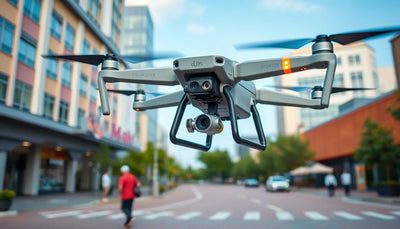
Conditions can change quickly when people enter, lights change, decorations move or a clear working space is lost. The crew should treat those changes as information, not as a reason to push through for a shot. The agreed coordinator can pause the aerial element while the rest of the crew continues the event record from ground positions.
A backup plan keeps the decision professional. It can include alternate camera angles, a designated stills position and an editing plan that does not promise aerial footage. The client receives a coherent result while the team avoids turning a crowded celebration into a technical experiment.

Which buyer resources help after the event plan is clear?
Use the Drone Wiki to understand the named product family and the grading standard to understand a documented pre-owned condition record. Use a repair path when an actual kit needs assessment, rather than assuming that a purchase description resolves every technical question. Those resources support a buyer who wants evidence before an event commitment.
The most defensible purchase is the one with a clear unit trail and a service plan that allows the operator to say no to aerial use when conditions are unsuitable. That is a stronger client promise than an unsupported claim about indoor positioning or a special configuration.
Use the Drone Wiki for model and compatibility context, then return to the action path above.
Keep exploring
Further reading
From The Reboot Hub Chronicle


From Drone Guides