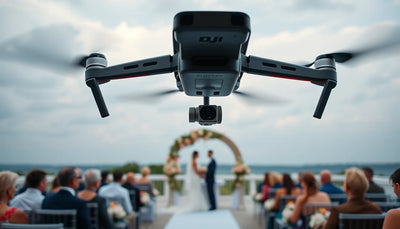
Religious Event Live Streaming: Drone Planning Evidence
Religious-event production planning brief
A ceremony, a livestream plan and a compact aircraft do not settle whether an aerial element belongs in a particular event. Start with the required story, venue and participant context, the exact supplied kit and its observed condition, a controlled production process and a ground-camera alternative. Then obtain current confirmation for the actual place and activity before scheduling any aerial capture.
What should a team establish before considering a drone for religious-event live streaming?
Decision layer
Evidence to retain
What it can establish
What it cannot establish
Production need
Run of show, required scenes, stream handoff, crew responsibilities, audience context and ground-camera alternative
What the event needs to communicate
That an aerial segment is required or suitable
Venue and participants
Responsible venue contact, service schedule, participant and visitor context, access boundaries and quiet-period plan
Which venue questions need current confirmation
Permission from a generic event guide
Exact supplied kit
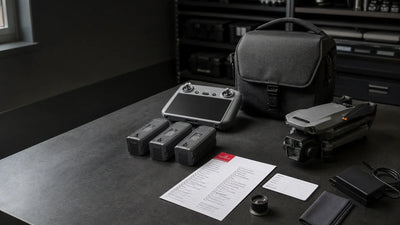
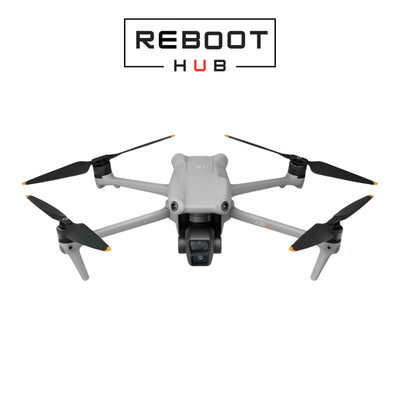
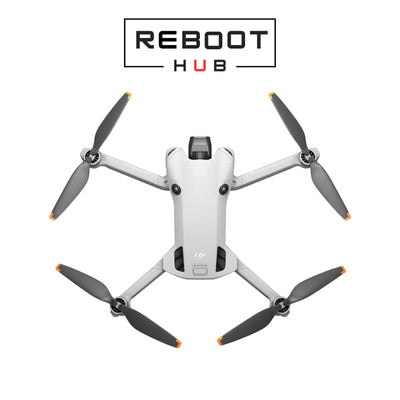
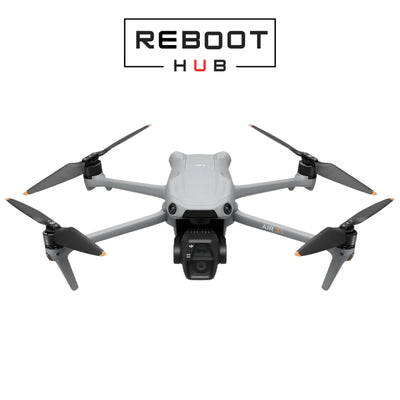
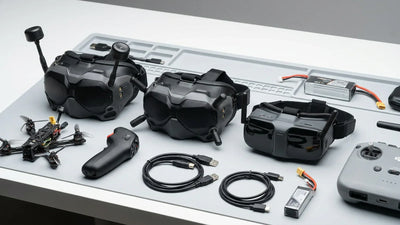
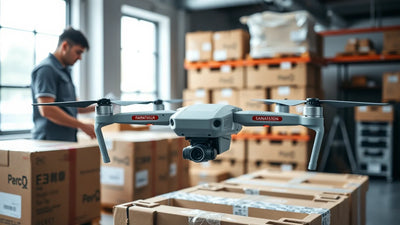
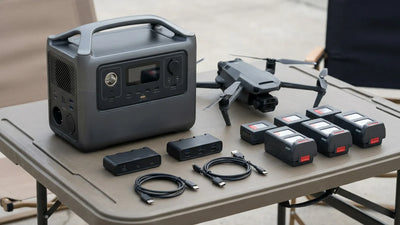
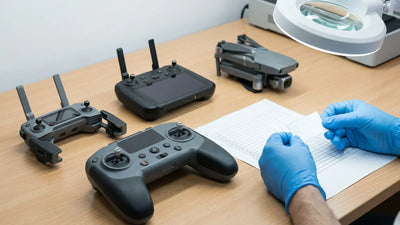
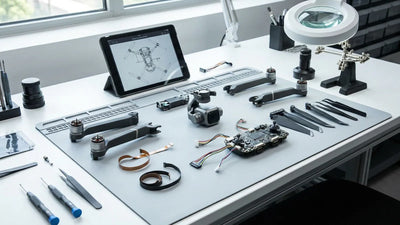
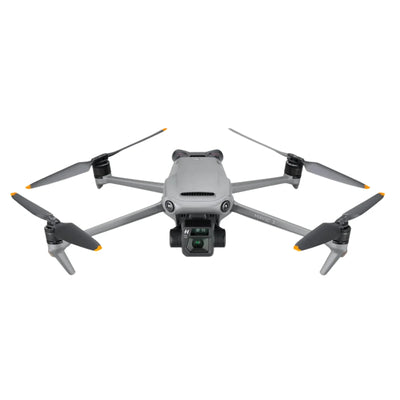
Aircraft, controller, camera, batteries, accessories, serial evidence, condition record and controlled observation
Which equipment is being considered
A livestream, sound or image result for another kit or setting
Current local route
Current official and venue information for the actual place, date, people context and proposed activity
Which questions were presented for current review
A fixed registration, approval, fee, timing, insurance or enforcement outcome
Fallback and edit path
Ground-camera sequence, audio plan, privacy boundary, stream backup and exception record
How the event can still be covered responsibly
That the aerial element will be available
Why should the live-stream plan begin with the ceremony and venue rather than a model claim?
A model name or listing cannot determine whether it fits a quiet service, a crowded procession, a private gathering or a venue with its own production boundaries. The production team needs a documented story, venue response, participant-aware capture plan, exact-kit record and ground sequence. This separates a responsible livestream decision from a historic price, noise, range or local-rule claim.
How should a team turn the review into an action plan?
Action
What to retain
1. Write the production brief
Record the ceremony moments, stream handoff, crew roles, audience context, audio priorities and ground-camera sequence.
2. Confirm venue context
Use the responsible venue contact for access, schedule, participants, visitors and quiet-period questions.
3. Document the exact kit
Keep aircraft, controller, camera, batteries, accessories, serial evidence, condition record and controlled observations together.
4. Use current local and venue routes
Present the actual place, date, people context and activity for current review before an aerial element is scheduled.
5. Preserve the fallback path
Keep the ground sequence, audio plan, privacy boundary, stream backup and exceptions with the production file.