Gravel-pit volume project brief
A model name does not prove volume accuracy for a particular site. Treat the task as a documented survey project with its own reference method, validation and responsible site route.
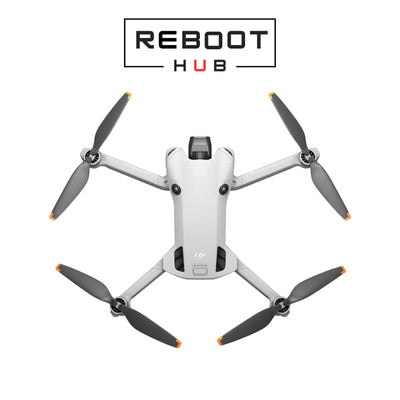
What should a gravel-pit team define before using a Mini 3 Pro in a volume project?

Why should volume work be treated as a project rather than a model claim?
Volume work depends on the target stockpile, the reference approach, capture plan, processing method and validation process. Keep those records with the exact kit and current site route. A small test area can clarify whether the proposed method deserves a wider project review without making a general accuracy promise.
How should a team keep the record useful?
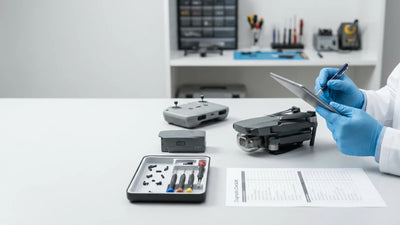
Keep the exact equipment, project scope, responsible role and current confirmations together. This makes clear which decision each piece of evidence can support.
Related Reboot Hub paths
Frequently asked questions
Can a Mini 3 Pro model name establish volume accuracy for a gravel pit?
No. The project needs its own task definition, reference method, validation process and site-specific evidence.
Why define the reference method before a wider project?
It identifies how the team will evaluate the project output for the intended use rather than relying on a generic claim.
Does one test area prove a final inventory result?
No. A test area only helps a team assess its proposed method before deciding whether further project review is appropriate.
What equipment evidence should be retained?
Keep the exact aircraft, controller, storage, accessories and current condition record with the project file.
When should the project evidence be reviewed again?
Review it whenever the stockpile task, reference method, equipment or site conditions change.
Keep exploring
Further reading
From The Reboot Hub Chronicle

From Drone Guides