DJI Mini 3 Church Livestreams: Battery and Backup Planning
Church livestream continuity brief
Quick answer
- A church livestream should have a grounded primary feed. An aircraft can contribute a limited visual angle only when the venue, people, current local route and live conditions support it.
- Do not promise a full service from a single battery, a claimed runtime or a mid-service aircraft swap. Battery condition, camera continuity and the service schedule need separate planning.
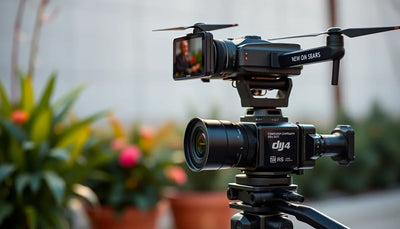
- Prepare charged, documented batteries through an ordinary handling process and keep a conventional camera or streaming source ready to continue the public feed without an aircraft.
- If an aircraft would distract the congregation, complicate the space or create uncertainty, keep it grounded and protect the livestream with the established camera plan.

What keeps a church livestream continuous?
| Coverage layer | What to prepare | Why it protects the service | Do not promise |
|---|---|---|---|
| Primary feed | Grounded camera, audio and streaming operator | Keeps worship coverage independent of an aircraft | Aerial footage is the main broadcast |
| Battery record | Matched batteries, ordinary condition review and charging plan | Helps the team identify the actual kit | A fixed runtime for every battery |
| Venue | Church contact, equipment position and congregation plan | Respects the service and people present | A quiet room has no constraints |
| Handoff | Named operator for a change of camera source | Avoids an improvised transition | A restart will be invisible |
| Contingency | Grounded alternate angle and recorded local copy | Preserves a usable record | A technical issue ends coverage |

Why should the church use a grounded primary livestream?
The congregation needs a stable record of the service, including audio and the essential moments. A grounded camera and streaming source can be positioned, monitored and handed over without asking an aircraft to remain part of the entire plan. This gives the media team a dependable base before any optional visual experiment is discussed.
An aircraft should not be used to fill a basic coverage gap. If the church wants an additional establishing view, assess it separately with the venue, people present and current local route. The primary service feed remains protected when the aerial element is declined or paused.
How should batteries be prepared without inventing runtime promises?
Treat each battery as part of the actual kit record. Keep it matched to the aircraft, inspect its physical condition through the ordinary product process and follow the current manufacturer guidance for charging, storage and use. A battery that appears damaged, swollen, leaking or otherwise abnormal should be removed from the event plan and assessed through an appropriate route.
The team should not plan a service around a universal flight-time figure. Capacity, age, temperature, equipment load and the event pattern can change the result. Build coverage around the grounded feed, then decide whether an optional aircraft angle can be completed inside a conservative event plan without creating a critical handoff.

What should the church and media team agree before the service?
Agree the camera positions, audio responsibility, access routes and the moments when equipment movement would disturb the congregation. The church contact should understand which equipment is grounded, what an optional aerial element would involve and who can stop it. This is as important as the condition of the aircraft itself.
Keep the decision respectful of the service. A church may prefer a still camera plan, especially when people are praying, singing or moving through a confined space. A well-planned refusal to use the aircraft is a successful production decision when it preserves attention and safety.
How should the team handle a change during a live feed?
Name the person who can move the program to the grounded camera source and record a local backup. The handoff should be ordinary production practice rather than an emergency created by an aircraft problem. This lets the audience continue to receive the service while the crew addresses an equipment or venue concern away from the main feed.
Avoid setting expectations that a battery change or a flight interruption will be seamless. The better promise is a service that continues with sound and a stable camera view. Any optional aerial footage can be edited or used later only when it was obtained without undermining the live event.

What should a buyer verify in a pre-owned church media kit?
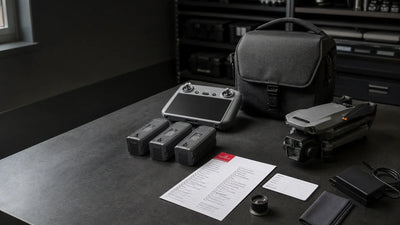
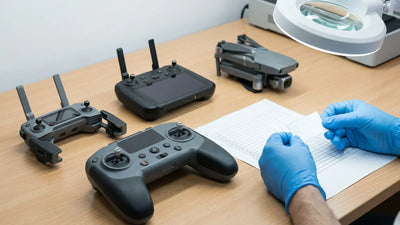
A buyer should be able to match the aircraft, controller, batteries and accessories to a condition record and seller evidence. The media team needs a clear understanding of what it owns and which item needs attention when a concern appears. Broad claims about a battery's history or a kit's readiness should not replace a documented record.
Use the Drone Wiki for model context, the grading standard for condition questions and the professional repair route when a specific item requires assessment. The strongest purchase supports a grounded primary broadcast and does not force the church to depend on an uncertain aircraft for a complete service.
Use the Drone Wiki for model and compatibility context, then return to the action path above.
Keep exploring
Further reading
From The Reboot Hub Chronicle




From Drone Guides