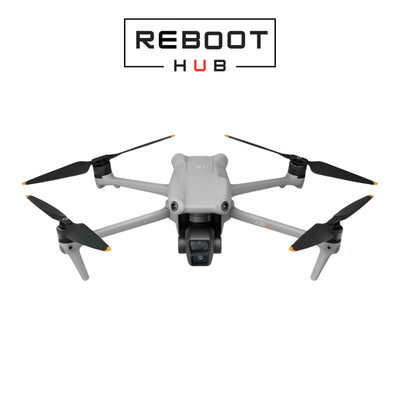
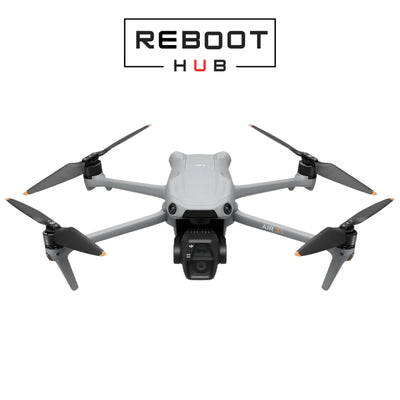
DJI Mavic 3 Enterprise for Warehouse Inventory in Low Light
Warehouse inventory planning brief
A thermal label, darkness claim or product comparison does not prove that a particular warehouse task can be completed by an aircraft. Start with the stock question, warehouse layout, people, exact equipment, capture method, data boundary and ground process before selecting a system.
What should a warehouse team establish before evaluating a drone for inventory work?
Decision layer
Evidence to retain
What it can establish
What it cannot establish
Inventory question
Specific stock or condition question, facility area, expected output, owner and review route
What the project needs to answer
That a thermal label identifies inventory
Warehouse and people
Layout, aisles, workers, visitors, access, safety contacts and ground alternative
What the actual environment involves
That an indoor warehouse removes all planning questions
Exact system
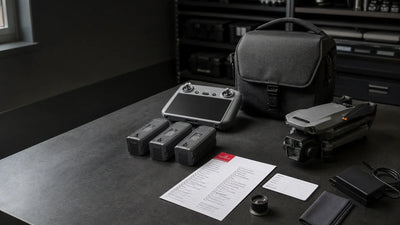
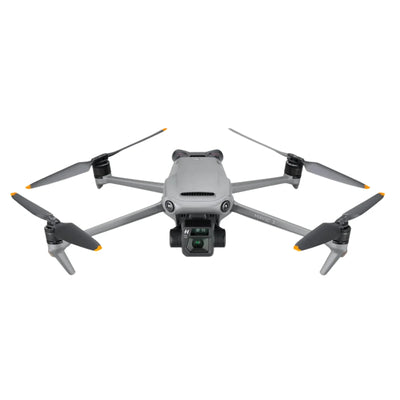
Aircraft, payload or camera, controller, batteries, accessories, version, serial and condition
What equipment is proposed
A guaranteed zero-light or inventory result
Capture and data boundary
Capture method, product visibility, data access, storage, review owner and handover scope
What will be collected and handled
That a product specification decides a workflow
Current project route
Current facility, people, equipment and responsible-route response
What needs confirmation
That a purchase authorises a warehouse operation
Why should a warehouse start with the stock question, not the camera label?
A team needs a defined inventory or condition question before it can judge whether any capture method is useful. The exact system and its condition matter, but they do not replace facility planning, worker safety, data boundaries or a reliable ground process.
How should a team turn the review into an action plan?
Action
What to retain
1. Define the stock question
Record the facility area, expected output, owner, reviewers and ground alternative.
2. Document the warehouse context
Keep layout, aisles, workers, access and safety contact visible.
3. Identify the exact system
Record aircraft, payload, controller, batteries, accessories, version, serial and condition.
4. Write capture and data boundaries
Define what is collected, stored, reviewed and handed over.
5. Use the current project route
Confirm the actual facility, people, equipment and proposed activity.