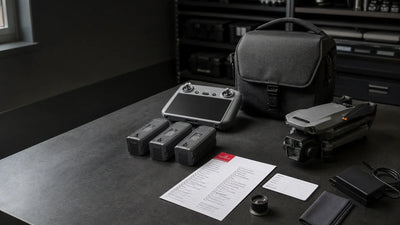
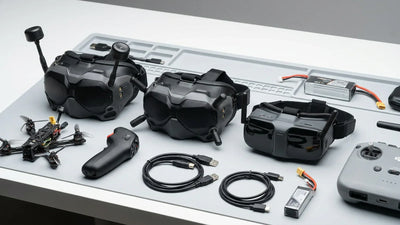
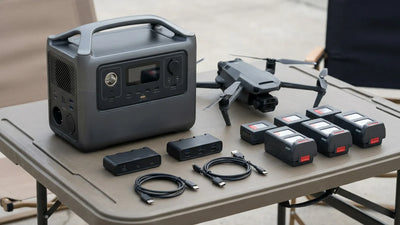
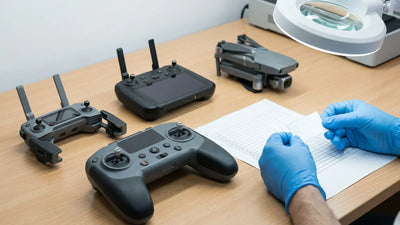
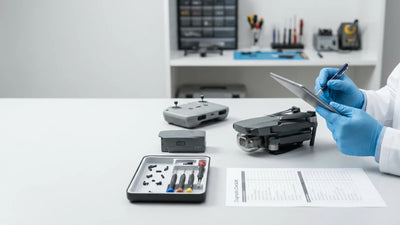
A battery question is part of an identified project, not a fixed endurance promise. Keep the exact aircraft, payload, battery record, current conditions and alternate capture plan together before assigning equipment to a field day.
What should an archaeology team document before planning Matrice 350 RTK battery use in summer?
Decision layer
Evidence to retain
What it can establish
What it cannot establish
Project task
Survey or documentation objective, planned area, crew and required output
What the field day needs to support
That a battery label predicts every project
Exact configuration
Aircraft, controller, payload, media, batteries, accessories and condition record
Which system is under review
A result for another configuration
Battery record
Identified batteries, storage state, visible condition and charging record
Which packs belong to the plan
A promise of a particular duration
Current conditions
Observed weather, access, work area, recovery notes and current site context
What applies to the project now
A conclusion about later conditions
Site route
Responsible site contact and current project information
What needs current confirmation
Permission based on a general guide
Why should the battery record sit beside the archaeology project brief?
The same aircraft can be assigned different payloads, work areas and capture priorities. Recording batteries as part of the specific kit helps a team plan responsibly without turning a product specification or a past day into a promise for the next site visit.
How should a team turn the review into an action plan?
Action
What to retain
1. Define the field objective
Write the required documentation outcome, work area, crew role and grounded alternative before planning the aerial element.
2. Identify the exact system
Record the aircraft, controller, payload, media, batteries, accessories and condition evidence as one kit.
3. Keep a battery record
Track the batteries assigned to the project with their storage state, condition information and charging record.
4. Capture current conditions
Keep current observations, site access context and recovery planning with the project brief.
5. Revisit the plan before work
Review the brief when the kit, batteries, task, conditions or site route changes.