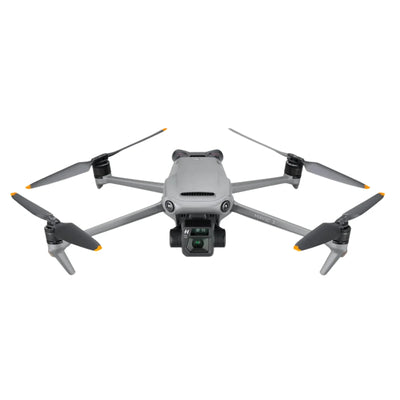
Mini 3 Pro account-status and used-buyer evidence brief
Quick answer
- Do not pay for a used DJI Mini 3 Pro because a listing says its activation or account status is clear. Match the exact aircraft, controller, serial, seller and invoice before funds move.
- Ask the seller to demonstrate normal operation with the actual kit offered, then keep the condition record and account-status conversation with the purchase file.
- An unresolved account issue belongs with the rightful account holder and the appropriate official account path. A buyer should not rely on an unofficial account solution.
- When ownership, kit matching or account status cannot be evidenced clearly, pause the purchase and compare a documented alternative.
Buyer decision route
Treat an activation-lock question as a seller-evidence decision, not a repair path. Start with the seller and serial check guides, verify the candidate through the DJI Mini 3 Pro model reference, then compare only documented kits with current pre-owned DJI Mini-series options.

What should a Mini 3 Pro buyer establish before payment?
| Decision layer | Evidence to collect | Buyer action | Do not assume |
|---|---|---|---|
| Exact aircraft | Aircraft serial, body condition, batteries and included accessories | Match the evidence to the invoice | A listing title identifies the individual unit |
| Controller and kit | The controller and equipment being sold with the aircraft | Ask for a same-kit normal-operation demonstration | A separate controller proves the offered set |
| Seller record | Seller identity, invoice details, payment record and communication trail | Keep an accountable buyer file | A marketplace profile settles ownership |
| Account status | A seller explanation tied to the exact aircraft and official account route | Pause when the record cannot be matched | A cropped account image settles the issue |
| Planned use | The intended location, people, property and operating plan | Keep buying evidence separate from use decisions | A documented purchase authorises a flight |

What is a Mini 3 Pro buyer deciding before payment?
The buyer is deciding whether the exact aircraft and controller offered by the seller can be identified, matched to a credible seller record and assessed for the intended purchase. An account-status statement is one part of that record; it should not become a substitute for the serial, invoice, condition evidence and same-kit demonstration.
The Poland setting does not change the basic buying discipline. Keep the proposed transaction specific to the unit, the seller and the actual evidence. Property, insurance, local operating and client questions remain separate from the account and ownership record.
Which Mini 3 Pro evidence should be matched as one kit?
Request a continuous normal-operation demonstration using the aircraft, controller, batteries and accessories that are included in the sale. Record the serial, visible condition, equipment list and seller identity with the invoice. This helps a buyer identify whether separate images or messages really describe one offered kit.
A live demonstration can reveal a mismatch or an unsupported listing claim, but it does not decide a future operating result. Keep the evidence focused on what the seller can show for this unit before payment.

How should a buyer handle unclear account or ownership evidence?
Ask the seller to resolve the question through the appropriate official account process for the rightful holder. Keep the seller identity, invoice and relevant correspondence with the purchase record. Do not accept an unofficial account solution as a replacement for a matched ownership trail.
If the explanation cannot be tied to the exact Mini 3 Pro and controller, pause. An unresolved account record is a reason to reassess the purchase before payment, not a task to hand to a buyer after delivery.
- Keep serial, seller and invoice evidence together.
- Ask the seller to show the exact controller and included batteries.
- Record unresolved questions before agreeing payment terms.
- Compare a documented alternative when the ownership trail remains incomplete.
Why is seller identity as important as the account statement?
A buyer needs a record that connects the offered kit to a real seller and payment trail. The seller identity, invoice and communication history give context to the serial and condition evidence. Without that connection, an account statement or product image may not explain who is responsible for the sale.
Keep the evidence file simple enough to review before payment: exact kit, seller, invoice, payment method, condition record and open questions. That makes it easier to pause an unclear transaction and easier to compare another pre-owned offer on the same basis.

When should the buyer choose another Mini 3 Pro purchase route?
Choose an alternative when the seller cannot demonstrate the offered kit, identify the unit in the invoice or connect the account-status explanation to the rightful holder. A pause protects the buyer from turning an unclear record into a problem after payment.
A documented pre-owned alternative should still be assessed for the intended task and equipment needs. The objective is a matched buyer record, not a purchase driven by a broad assurance about account status.
How do Reboot Hub resources support the buying decision?
Use the seller and serial guides to organise the evidence file, then use the Mini 3 Pro model reference, Drone Wiki and comparison guide for model-family context. The buying-risk resources help keep condition, seller proof and intended use as separate decisions.
A stronger used-drone decision leaves the buyer able to explain the exact kit, seller, payment record and remaining questions. That supports a responsible purchase decision without promising a particular account or operating outcome.

Use the Drone Wiki for model and compatibility context, then return to the action path above.
Keep exploring
Further reading
From The Reboot Hub Chronicle












From Drone Guides