Inspire 3 Archaeology Filming: Venue and Project Evidence
Archaeology production-planning brief
An archaeology shoot is a venue, project and equipment decision before it is a camera decision. Do not infer access, sound impact or filming suitability from a broad model claim or an earlier shoot.
What should a documentary team establish before considering an Inspire 3 at an archaeology site?
Decision layer
Evidence to retain
What it can establish
What it cannot establish
Production role
Shot list, subject, crew responsibilities, alternate capture plan and delivery need
What the project actually needs
That one aircraft fits every documentary role
Exact kit
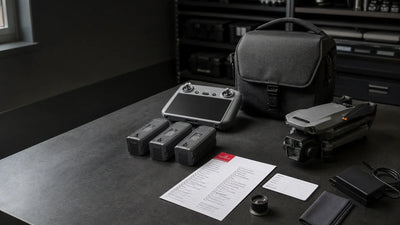
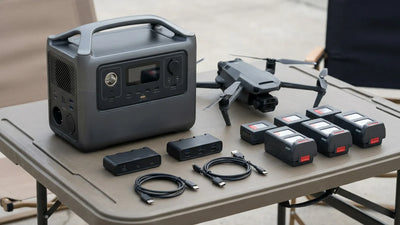
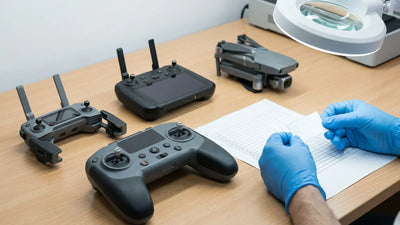
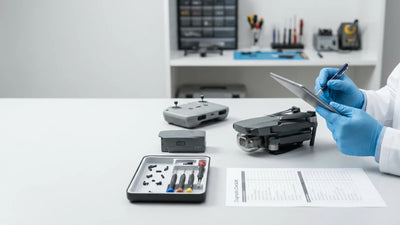
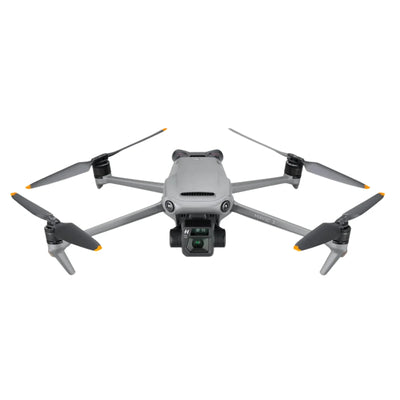
Aircraft, controller, camera configuration, batteries, storage and condition record
Which system is under review
A result for a different configuration
Venue route
Responsible site contact, access boundaries, visitor context and current site information
Which questions need local confirmation
Permission from a general guide
Sound plan
Planned take, ambient-audio method, crew position and alternate ground capture
How sound will be managed for the project
A promise that an aircraft will be inaudible
Project record
Written scope, current confirmations, equipment record and decision owner
What the team has evaluated
Approval for a later production
Why should sound and site access be treated as separate decisions?
A production team can plan sound without making a performance promise: define the take, expected visitor context, microphone plan and alternate capture. Separately, confirm the current route for the proposed venue. The exact aircraft and camera kit should remain identifiable in the project record so a later change does not silently alter the decision.
How should a team turn the review into an action plan?
Action
What to retain
1. Define the story task
Write the scenes, priority shots, sound needs and the alternate capture method before selecting equipment.
2. Record the exact system
Keep aircraft, controller, camera configuration, batteries and condition evidence together as one documented kit.
3. Ask the responsible venue route
Confirm current access, crew, visitor and site requirements for the proposed project rather than relying on a past production.
4. Create a sound plan
Document ambient-audio capture, crew placement and an alternative ground-based option if conditions change.
5. Review the decision before filming
Revisit the project record when the venue, kit, production role, visitors or current conditions change.