Church service project brief
For a church service or live stream, the venue, people, audio and agreed visual story come before equipment choice. Document the actual kit and keep a practical ground-camera alternative in the plan.
What should a church-service production prove?


Why should a church service be planned as a people and audio project?
Worship settings can be sensitive to timing, people, sound and the agreed visual boundary. An equipment specification cannot decide these questions. Establish the venue and audio plan before deciding whether any aerial footage belongs in the production.
How should equipment be chosen for the agreed visual plan?
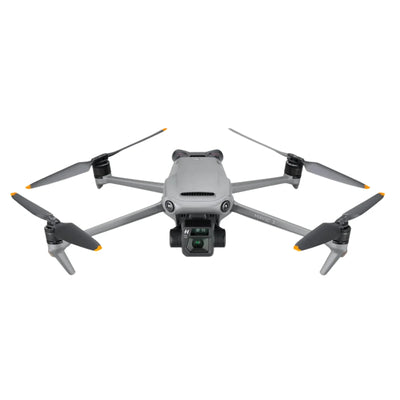
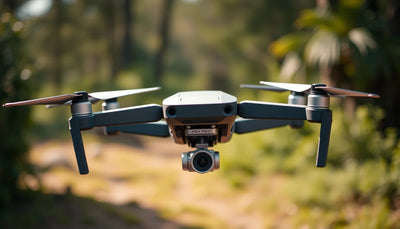
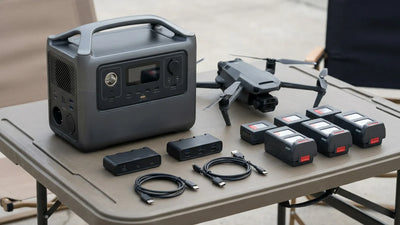
Define the shot purpose and ground-camera option first. Then compare exact documented equipment, controller, batteries and condition evidence. Do not rely on generic claims about noise, indoor performance or a particular model to promise a service outcome.
What should a team do when the aerial plan is not supported?
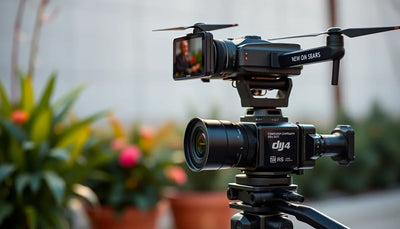
Use the ground-based visual plan and revisit the aerial question only when the venue, people, site conditions and current responsibilities have been properly confirmed.
Related Reboot Hub paths
Frequently asked questions
Is an aerial camera always appropriate for a church service?
No. Start with the venue, worship context, people and audio plan. A ground-camera option may be more appropriate for the agreed story.
What should a venue agree before any aerial imagery?
Agree the visual purpose, timing, service areas, people affected, audio boundary, access conditions and a non-aerial alternative.
Why should audio be planned separately?
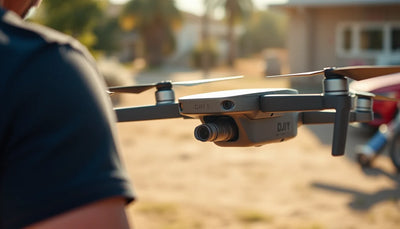
Aircraft sound can affect a service. Plan the intended audio result and an alternative camera approach rather than relying on a generic product claim.
How should a buyer assess pre-owned equipment for a client service?
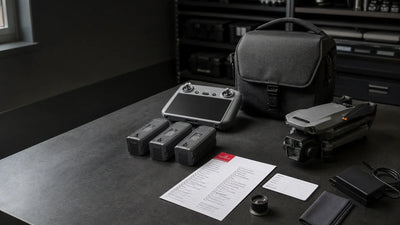
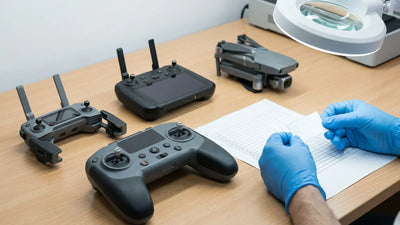
Keep the aircraft, controller, batteries, accessories, seller record and condition evidence together before relying on a kit for a client project.
What should happen when venue or current operating evidence is incomplete?
Pause the aerial plan and use a ground-based alternative until the relevant confirmation is available.
Keep exploring
Further reading
From The Reboot Hub Chronicle





From Drone Guides